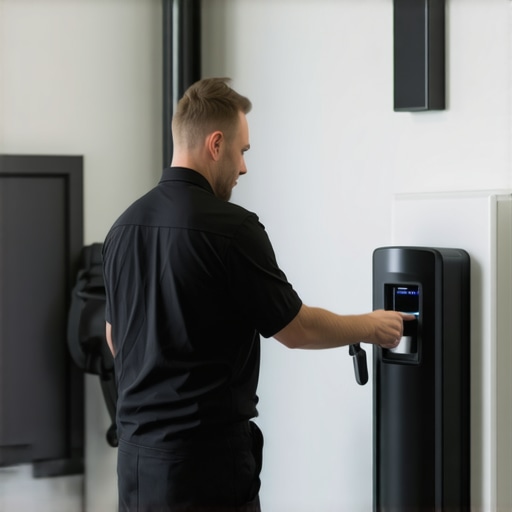

Panel Upgrades & Code Compliance: Ensure Safe EV Charging at Home in 17:23.
Have you ever tried plugging in your electric vehicle at home only to be met with flickering lights or tripped circuit breakers? That frustrating moment of realizing your current electrical setup isn’t quite up to the task was a lightbulb moment for me. It made me question if my home was truly prepared for the surge in EV charging demands. As more homeowners embrace electric vehicles, understanding how to upgrade your electrical panel and ensure code compliance becomes not just a good idea but a necessity.
Why Your Home Needs a Power Upgrade for EV Charging
Electric vehicles demand a lot of power, and if your home’s electrical system isn’t ready, it can lead to safety hazards, damage to appliances, or worse. My mistake early on was neglecting the importance of a dedicated circuit and proper panel capacity. I learned this the hard way when my charger kept disconnecting, and I was left troubleshooting instead of enjoying my new car. The truth is, many homes need electrical panel upgrades to safely support EV chargers, especially if the existing system is outdated or undersized. An upgrade not only enhances safety but also ensures reliable charging performance. To get started, I recommend checking out this guide on upgrading your panel for optimal EV charging.
Is All Panel Upgrade Work Worth the Cost and Effort?
This is a common skepticism I hear from homeowners. The upfront expense can seem daunting, but consider the long-term benefits: safer operation, increased home value, and the peace of mind that your charging won’t cause outages or fires. My own experience taught me that rushing into an upgrade without understanding code requirements can lead to costly mistakes. Early in my project, I overlooked local electrical codes, which nearly delayed my installation. I found that ensuring your work complies with local standards is critical. For reliable guidance, check out this resource on code compliance. Properly upgrading your panel is more than just a box of wires—it’s about safety, efficiency, and peace of mind.
Start with a Professional Inspection
Before diving into any upgrades, schedule an electrical inspection with a licensed electrician. I learned this the hard way when I skipped this step and faced unexpected code violations. The electrician will assess your current panel capacity, wiring condition, and overall system safety. This initial step is crucial to determine whether your home needs a simple upgrade or a full panel replacement.
Determine Your Power Needs and Panel Capacity
Calculate your EV charger’s power requirements. For example, a Level 2 charger typically demands 240V and 30-50 amps. My experience showed that overshooting the capacity can lead to future issues, so I opted for a slightly higher amperage panel. Check your existing panel’s main breaker rating; if it’s below 100 amps, an upgrade is likely necessary. Use this guide on upgrading your panel to understand the technical specifics.
Upgrade Your Electrical Panel Safely and Legally
Replacing or upgrading your panel involves disconnecting the main power, removing the old panel, and installing a new one with sufficient capacity. I hired a licensed electrician who followed all local electrical codes strictly. Do not attempt this yourself unless you are qualified. Properly rated panels will have a main breaker rated for your new load, and the wiring must be sized appropriately. For detailed steps, review this comprehensive guide.
Ensure Code Compliance During Installation
Code compliance is non-negotiable for safety and legality. My electrician used a checklist based on local electrical codes, ensuring all connections, grounding, and circuit protections met standards. This step prevents fire hazards and ensures your warranty remains valid. I also verified the installation with local authorities, which is recommended. For guidance on compliance, visit this resource.
Install Dedicated Circuits for Your Charger
Connecting your EV charger to a dedicated circuit prevents overloads and flickering issues. During my upgrade, I installed a new 50-amp circuit breaker dedicated solely to the charger. This setup ensures consistent power delivery and safety. For specific wiring diagrams and best practices, see this troubleshooting guide.
Test and Verify Your Setup
After installation, it’s essential to test the system thoroughly. I used a multimeter to verify voltage and checked all connections. Then, I connected my charger and monitored its operation for any irregularities. Any issues should be addressed immediately, either by your electrician or by consulting troubleshooting resources like this troubleshooting guide. Proper testing guarantees safe, reliable charging and peace of mind.
Many homeowners believe that upgrading their electrical panel is a straightforward task, but in reality, there are nuanced pitfalls that can compromise safety, compliance, and long-term performance. Let’s dig deeper into what most people get wrong about panel upgrades for EV charging and how to avoid common traps that can turn a simple upgrade into a costly headache.
Why Overestimating Your Panel Capacity Can Backfire
One misconception is that installing a larger breaker automatically solves all charging issues. However, oversizing your panel or breaker without considering the home’s overall load can lead to inefficient power distribution or even overload other circuits. Proper load calculation, often overlooked, ensures your system is balanced and compliant with electrical standards. For example, a study from the National Fire Protection Association highlights that improper load management is a leading cause of electrical fires, underscoring the importance of precise planning when upgrading. To learn more about technical specifics, check out this guide on upgrading your panel.
The Myth of Universal Solutions
Many believe that a one-size-fits-all approach works for every home, but in practice, each electrical system has unique characteristics. For instance, older homes with knob-and-tube wiring require different considerations than modern copper systems. Failing to account for these nuances can cause code violations or safety hazards. The mistake is to assume that a standard panel upgrade fits all scenarios; instead, a detailed inspection and tailored solution are essential. An expert evaluation helps identify hidden issues like grounding problems or wiring degradation that might not be visible during a casual inspection. For comprehensive guidance, review this resource on code compliance.
Beware of Underestimating Future Needs
Another common mistake is installing a panel with just enough capacity for current charging needs, ignoring future expansions. With the rise of multiple EVs in a household or increased power demands from smart home devices, your initial setup might soon become insufficient. Proper planning involves considering not only the current charger but also potential future additions. I recommend consulting with a professional to determine a panel size that provides headroom for future growth, avoiding the hassle and expense of another upgrade down the line. This strategic foresight can save you money and ensure your system remains compliant as technology evolves.
Have you ever fallen into this trap? Let me know in the comments. Remember, a well-planned panel upgrade is about more than just size—it’s about safety, compliance, and future-proofing your home’s electrical system.
Keeping Your EV Charging System Running Smoothly with the Right Tools
Once you’ve upgraded your electrical panel and installed your EV charger, maintaining optimal performance becomes crucial. Having the right tools and a good maintenance routine can extend the lifespan of your system, ensure safety, and prevent costly repairs down the line. From testing equipment to software solutions, I’ve found that specific, high-quality tools make all the difference in keeping my home charging setup reliable and compliant.
One of my go-to pieces of equipment is a digital multimeter. I personally prefer the Fluke 117 because of its accuracy, durability, and ease of use. I use it regularly to verify voltage at the outlet, check wiring connections, and ensure that my charger is receiving proper power. Regular voltage checks help catch issues early, such as voltage drops or fluctuations that can cause charger malfunctions or safety concerns.
For ongoing system monitoring, I recommend installing a home energy management system (HEMS). These smart systems can track power consumption, alert you to irregularities, and even suggest optimizations. I personally use the Sense Energy Monitor, which integrates with my smart home setup. It provides real-time data, helps identify circuit overloads, and ensures that my EV charger operates within safe parameters. As technology advances, these tools are becoming more affordable and user-friendly, paving the way for smarter and safer home EV charging.
Another critical maintenance step is software updates. I regularly check for firmware updates from my charger manufacturer, as these often include security patches, performance improvements, and new features. Setting up automatic notifications for updates is a good habit. Manufacturers like Tesla and ChargePoint provide mobile apps that not only control your charger but also notify you of necessary updates or troubleshooting tips. Staying current with firmware can prevent many issues before they happen.
How do I maintain EV charging systems over time?
Consistent inspections are key. Schedule a professional inspection every few years to verify wiring integrity, grounding, and code compliance. Use your multimeter to verify voltage and circuit integrity monthly, especially if you notice any flickering or unusual behavior. Keep your software and firmware up to date to benefit from the latest security and performance patches. Additionally, clean and inspect your charging plug and cable regularly to prevent wear and damage. If you notice any irregularities, don’t hesitate to consult a qualified electrician or check trusted troubleshooting resources like this troubleshooting guide for expert advice.
The future of EV charging maintenance is heading towards greater automation and smarter diagnostics. As more devices become IoT-enabled, expect to see integrated systems that automatically alert you to issues and even perform self-diagnostics. Embracing these tools now not only ensures your current setup remains safe and reliable but also prepares you for the advancements ahead. Start by investing in a quality multimeter and exploring energy management apps today — your future self will thank you. Want to learn more about ensuring your system stays compliant and safe? Visit this resource for detailed guidance.
The Hardest Lesson I Learned About Electrical Panel Upgrades for EV Charging
One of my biggest realizations was that not all electrical panels are created equal, especially when it comes to supporting EV chargers. I once thought I could simply upgrade the breaker and call it a day, but I overlooked the importance of comprehensive load calculations and code compliance. This mistake nearly delayed my installation and cost me extra time and money. Now, I know that a proper evaluation by a licensed electrician is crucial to avoid safety hazards and ensure your home’s electrical system can handle the new demands.
3 Myths About Electrical Panel Upgrades That Held Me Back
First, I believed bigger is always better—installing a larger panel to future-proof my home. In reality, oversizing without considering overall load distribution can cause inefficiencies and safety issues. Second, I assumed that all panels are compatible with any EV charger, but older homes with outdated wiring require tailored solutions. Finally, I thought I could handle the upgrade myself, but DIY electrical work is dangerous and often violates local codes. Trusting a professional and understanding your home’s specific needs is the key to a successful upgrade.
What Experts Won’t Tell You About Preparing for EV Charging
Many professionals keep quiet about the hidden complexities involved in panel upgrades, such as hidden wiring issues or grounding problems that can compromise safety. I learned that detailed inspections and adherence to local codes are non-negotiable. Also, planning for future expansion—like adding a second EV or smart home devices—can save you from costly upgrades down the line. The bottom line: investing in a tailored, code-compliant upgrade is the best way to ensure safe, reliable EV charging now and tomorrow.
My Essential Toolkit for Safe and Reliable EV Charging
To keep my system running smoothly, I rely on a high-quality digital multimeter like the Fluke 117, which helps me verify voltage and wiring connections regularly. I also use a home energy management system, such as the Sense Energy Monitor, to track power consumption and detect anomalies early. Keeping firmware updated from my EV charger manufacturer ensures I benefit from the latest security and performance improvements. Combining these tools with routine inspections has given me peace of mind and a safe, efficient charging experience.
Take Action and Power Your Home Safely Today
Upgrading your electrical panel for EV charging isn’t just a task—it’s an investment in your home’s safety and future. Start by scheduling a professional inspection, then work with a licensed electrician to determine your exact needs. Remember, a thoughtful, code-compliant upgrade will pay off in reliable, safe charging and increased home value. Don’t wait until flickering lights or outages remind you that your system isn’t ready—be proactive and ensure your home can support your EV lifestyle with confidence. Are you prepared to take the next step in upgrading your electrical system? Let me know below, and share your experiences or questions about EV charger installations.