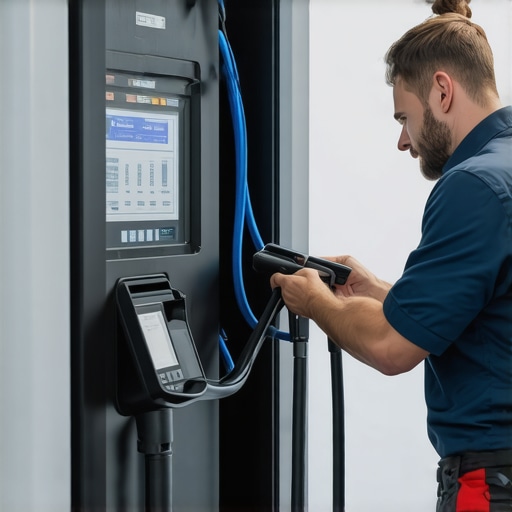

Flickering Lights? Why Your EV Charger Needs a Panel Upgrade
It was late at night, and I was plugging in my new electric vehicle after a long day. Suddenly, my lights dimmed and flickered in a wild, unpredictable dance. That moment made me realize something was off with my home’s electrical system. Like many homeowners, I had overlooked the importance of my electrical panel until a minor inconvenience turned into a potential safety hazard. If you’ve experienced similar flickers or fluctuations while charging your EV, you’re not alone. These signs often point to deeper issues within your electrical setup that could compromise safety and efficiency. Today, we’ll uncover why your home’s panel might need an upgrade to support your EV charger safely and reliably.
Why Ignoring Your Electrical Panel Could Cost More Than You Think
Your electrical panel is the heart of your home’s power distribution. When installing an EV charger, especially a high-capacity Level 2 unit, your existing panel might be stretched beyond its capacity. Overloading can cause flickering lights, tripped breakers, or worse—fire hazards. Early in my own journey, I made the mistake of dismissing occasional flickers as just a nuisance. I didn’t realize that these were warning signs of an overburdened system. An upgrade became essential when I learned that outdated panels may not meet current safety codes or support the power demands of modern electric vehicles. This is supported by industry experts who emphasize that proper panel upgrades are crucial for safe EV charging (source: Bright Spark Electric).
But what exactly does upgrading entail, and how do you know if it’s right for you? Let’s explore common signs that suggest a panel upgrade is in order and how it can protect your home, your family, and your investment in electric mobility.
Will a Panel Upgrade Really Make a Difference for My Home’s Safety?
Initially, I thought my home’s existing system was sufficient. It seemed fine—until I faced frequent flickering and occasional breaker trips during EV charging. That was my wake-up call. Skipping a panel upgrade might save money upfront but can lead to costly repairs or dangerous situations down the line. Properly upgrading your panel not only ensures code compliance but also provides peace of mind knowing your home can handle your EV’s power needs safely. For detailed insights on safe and compliant installations, check out this guide on code compliance.
Are you experiencing similar issues or considering an upgrade? Recognizing the warning signs early can save you from future headaches. Upgrading your electrical panel isn’t just about supporting your EV—it’s about safeguarding your home and loved ones. Don’t leave safety to chance; instead, let’s look at how you can determine the right steps to ensure a reliable and safe charging experience.
Assessing Your Current Electrical System
Begin by evaluating your existing electrical panel’s capacity. Turn off all appliances and use a reliable clamp meter or multimeter to measure the main circuit’s amperage. If you notice frequent flickering or tripped breakers when charging, these are signs your panel might be overwhelmed. Remember, a typical Level 2 EV charger requires a dedicated circuit with at least 40-50 amps. If your panel is near its capacity—say, it has a 100-amp service—you’ll likely need an upgrade to support additional demands.
Preparing for the Upgrade
Consult a licensed electrician to plan the upgrade. They’ll inspect your panel for space, breaker compatibility, and code compliance. Think of your electrical system as a highway: if you have a narrow road (small panel), adding a high-capacity charger is like introducing a freight train—it needs a broader route. Your electrician will determine if your existing panel can handle a new breaker or if a full replacement is necessary.
Deciding Between Panel Replacement or Expansion
The electrician might recommend replacing the entire panel if it’s outdated or lacks sufficient capacity. This process involves removing the old panel and installing a new one with higher amperage and more slots. For example, upgrading from a 100-amp to a 200-amp panel provides more headroom for future additions. It’s akin to upgrading from a small car to a spacious truck—more room and power for the road ahead.
Executing the Upgrade Safely and Correctly
Ensure the work complies with local electrical codes—this isn’t a DIY job. The electrician will turn off the main power, verify there’s no residual voltage, and carefully install the new panel and breakers. Proper grounding and bonding are crucial; think of them as the roads connecting your electrical infrastructure securely. They prevent dangerous currents and ensure safety during operation.
Verifying the Installation
Once the upgrade is complete, test the system thoroughly. Plug in your EV charger and monitor for proper operation. Check for any unusual flickering or breaker trips. For peace of mind, have your electrician perform a final inspection, ensuring everything meets code standards. This step is comparable to a vehicle inspection before a long trip—vital for safety and reliability.
Maintaining and Future-proofing
Post-upgrade, set a schedule for periodic inspections. As electric vehicles evolve, so will their power needs. Consider installing a dedicated circuit for your charger and upgrading further if you add more EVs or appliances. Think of your electrical system as a garden: regular tending keeps it healthy and ready for growth. For more detailed guidance on panel upgrades and code compliance, review this resource.
Many homeowners believe that simply upgrading their electrical panel is a straightforward fix for supporting an EV charger. However, this misconception can lead to costly mistakes and safety oversights. One common myth is that any new panel with higher amperage automatically guarantees safe EV charging. In reality, without proper code compliance and a thorough understanding of your home’s electrical system, you risk uneven load distribution, insufficient grounding, or overlooked code requirements that can compromise safety and performance. Additionally, some assume that the cheapest upgrade options suffice; yet, cutting corners can result in poor connections or non-compliance, which may invite fines or hazards. It’s crucial to recognize that a proper panel upgrade involves strategic planning—considering not only capacity but also future expansion and local regulations. For example, a certified electrician will assess your wiring, grounding, and breaker compatibility to ensure adherence to standards like those outlined in code compliance guidelines. An often-overlooked nuance is the role of load balancing. People frequently overlook the importance of managing the simultaneous use of multiple high-demand appliances, which can overload an upgraded panel if not properly configured. Furthermore, troubleshooting EV charger issues isn’t solely about the device itself; sometimes, underlying wiring or panel deficiencies are the root causes. Rushing to fix a connectivity problem without addressing potential panel shortcomings can lead to recurring issues and safety risks, as explained in expert troubleshooting tips. To avoid these pitfalls, it’s wise to involve professionals who will ensure your upgrade is both code-compliant and future-proof, protecting your investment and safety. Remember, safety isn’t just about supporting the current load but preparing for future needs, including potential additional EVs or appliances. Always verify your installation through a certified electrician and consult authoritative sources to stay updated with evolving standards, such as code verification procedures. Have you ever fallen into this trap? Let me know in the comments.
Tools That Make Long-Term Maintenance Easier
Maintaining your upgraded electrical panel and EV charging setup requires reliable, precise tools. My go-to is a high-quality clamp meter, like the Fluke 376 FC, which I’ve used for years to monitor current draw and ensure all circuits operate within safe parameters. This device is essential because it allows non-intrusive measurements, preventing accidental disruption of wiring — critical when troubleshooting or confirming that your system is functioning correctly after upgrades. Additionally, I recommend an infrared temperature gun, such as the Seek Thermal CompactPRO, which helps in detecting hotspots that might indicate loose connections or overloaded circuits, thus preventing potential failures before they escalate. These tools are invaluable for periodic checks, especially when assessing if your system is still performing under optimal safety conditions or needs recalibration.
Developing a Routine for System Checks
Establishing a maintenance routine tailored to your EV charger and panel can extend their lifespan significantly. I set quarterly inspections using my tools, including visual assessments for signs of wear and tear, testing breaker responses, and verifying grounding connections. Incorporating a software solution, like mobile apps provided by smart electrical devices, enables remote monitoring and alerts for abnormal activities. For example, some smart panels support integration with home automation systems, alerting you to overloads or fault conditions in real-time. Planning these regular checks helps catch issues early, avoiding costly repairs or unsafe situations, and keeps your system resilient against electrical surges or faults.
Investing in Upgrades for Future Growth
As electric vehicle technology advances and charging speeds increase, your system must stay ahead of the curve. Proven strategies involve upgrading to panels with higher amperage capacity and integrating smart circuit management solutions that dynamically balance loads across multiple circuits. For example, a recent trend is to install load management systems that automatically reduce power to non-essential outlets during peak charging periods, preventing overloads and extending device lifespan. This proactive approach ensures you’re ready for future EV models with higher demand profiles, as discussed in industry-leading resources. Implementing such solutions today can save significant costs by avoiding full system replacements down the line and ensures your charging setup remains safe, efficient, and compliant.
How do I maintain my electrical system over time?
Regular inspections with reliable measuring tools like clamp meters and infrared guns are key. Schedule quarterly checks, clean connections, test breakers, and verify grounding. Consider integrating smart monitoring apps for real-time alerts—keeping your system healthy and safe requires consistent effort. For expert advice and professional assistance, consult licensed electricians who understand the nuances of panel upgrades and code compliance, such as those detailed in this troubleshooting guide. Don’t overlook the importance of preventive maintenance; it protects your investment and enhances your long-term charging experience. A simple but effective tip is to set reminders for periodic system checks—try incorporating a professional inspection at least once a year to keep everything running smoothly and safely.
What I Wish I Knew About Electrical Panels Before My First Upgrade
One of the biggest surprises was realizing that not all panels are created equal. Upgrading isn’t just about adding capacity; it’s about understanding the nuances of safety, future-proofing, and code compliance. I once thought a bigger panel was enough, but I learned that proper grounding and load balancing are critical elements that often get overlooked. This insight saved me from potential hazards and costly revisions down the line.
Three unexpected hurdles in panel upgrades taught me the importance of thorough inspection and professional guidance. Now, I always consult trusted electricians who prioritize code adherence and safety standards. Remember, a well-planned upgrade is an investment in both your home’s safety and your EV experience.
Tools That Have Made My EV Charging Life Easier
Over the years, I’ve leaned on specific tools to keep my electrical system in check. A quality clamp meter like the Fluke 376 FC helps me monitor current without disrupting circuits, ensuring everything runs smoothly. An infrared temperature gun is invaluable for spotting hotspots that could indicate loose wiring or overloads—pinpointing issues before they escalate. These tools aren’t just gadgets; they are my safety allies and time-savers, providing peace of mind during routine checks and upgrades.
Keep Your System Healthy and Ready for the Future
Regular maintenance isn’t optional—it’s essential. Setting quarterly reminders to inspect connections, test breakers, and verify grounding has kept my system reliable. I’ve also integrated smart monitoring solutions, which alert me to anomalies in real-time. Looking ahead, investing in load management systems that automatically balance electrical loads has been a game-changer in preparing for higher power demands as EV technology evolves. Small proactive steps today make a big difference tomorrow.
Sharing What Didn’t Work and Why
I once tried to save by skipping a proper load assessment before upgrading, only to face flickering lights and breaker trips. That taught me the hard way that cost-cutting in electrical work can be dangerous. Rushing any part of the upgrade process, without involving licensed professionals, increases risks of non-compliance and unsafe conditions. The lesson? Prioritize safety and quality over shortcuts. Always verify your system’s readiness and compliance through trusted resources like this comprehensive guide and consult professionals who understand local regulations.
What I Believe Will Shape the Future of Home EV Charging
As EVs become more powerful and widespread, the demand for smarter, safer home electrical systems will grow. I see a future where load management and AI-driven circuit optimization become standard, ensuring maximum safety without sacrificing convenience. Investing now in scalable panels and smart monitoring lays the groundwork for seamless adoption of more advanced EV technology. Embracing these innovations not only safeguards your home but also future-proofs your investment in electric mobility.
How About You, Are You Ready to Elevate Your Home’s Electrical Safety?
Upgrading your electrical panel isn’t just a one-time fix; it’s an ongoing commitment to safety, efficiency, and peace of mind. Are you prepared to take that step today? Share your experiences or questions below—I’d love to hear how you’re navigating your EV charging journey and what lessons you’ve learned along the way.