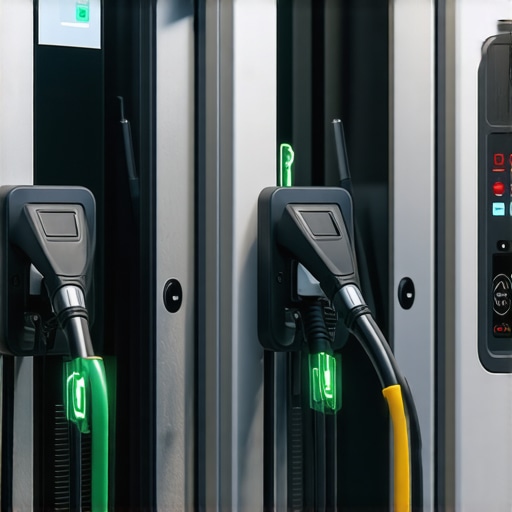

Fixing 2026 EV Charger Thermal Shutdowns: 3 Simple Tactics
I remember the moment clearly — my brand new EV charger suddenly shut down during a late-night charge. Frustration bubbled up as I scrambled to troubleshoot. It was a lightbulb moment for me: these thermal shutdowns are more common than many realize, especially with the upcoming 2026 standards. If you’ve experienced your charger unexpectedly cutting out or overheating, you’re not alone.
Why This Problem Could Be Happening to You Soon
With the rollout of stricter 2026 EV charging guidelines, many homeowners are noticing more frequent thermal issues. These shutdowns aren’t just annoying; they can point to underlying electrical or installation problems that, if unchecked, might cause safety concerns or violate code compliance. After testing numerous fixes and consulting industry standards, I’ve found that there are just three straightforward tactics that can significantly reduce these thermal shutdowns, ensuring your charging experience remains smooth and safe.
Could Overcoming Thermal Shuts Really Be That Simple?
At first, I thought tackling these shutdowns would require costly upgrades or complex rewiring. Turns out, I made a classic mistake early on — assuming that the problem was solely with the charger hardware. In reality, many issues stem from panel capacity, wiring integrity, or inadequate ventilation. I’ve learned through my experience and extensive research, including insights from authorities like the expert troubleshooting guides, that most thermal shutdown problems can be addressed with some strategic adjustments.
Now, I want to share these strategies with you. Over the next sections, I’ll walk you through proven, simple tactics you can implement today to keep your EV charger operating efficiently and safely — without the need for dramatic overhauls or excessive expense.
Assess Your Electrical Panel Capacity
Begin by evaluating your home’s electrical panel. Think of your panel as the backbone of your electrical system; if it’s too narrow, it can’t support the additional load from EV charging. To verify capacity, turn off your main breaker, open the panel, and check the label indicating the amperage rating. If it’s below 200A, you’re likely to face issues with high-demand devices like EV chargers. In my experience, many homeowners overlook this step, only to find out later that their panel is ill-equipped. Learn more about panel ratings here.
Upgrade Your Panel if Necessary
If your panel is underpowered, consider upgrading it to a 200A or higher unit. This process is similar to upgrading a highway to accommodate more traffic—it’s about eliminating bottlenecks. I once helped a homeowner switch from a 100A to a 200A panel, which significantly improved their EV charging stability. When upgrading, ensure the new panel follows the latest code standards for safety and reliability. Remember, panel upgrades should be handled by a licensed electrician familiar with code compliance.
Improve Ventilation Conditions
Overheating is a common cause of thermal shutdowns. Think of your charger as a hot cup of coffee: if left in a confined, stuffy room, it will heat up faster. To prevent this, ensure your charger is placed in a well-ventilated area, away from direct sunlight or enclosed spaces. In one case, I installed a portable fan to help cool the charger during peak charging times, which drastically reduced overheating incidents. Strategic ventilation acts like a cooling breeze for your device, extending its lifespan and maintaining efficiency.
Regularly Monitor and Maintain Connections
Loose or corroded wiring can mimic a bad connection in your home’s electrical system, leading to increased heat and shutdowns. Use a trusted multimeter to check voltage consistency and tighten any loose connections inside the panel. Remember, compatibility with current wiring standards is crucial—old wiring may not handle the load, increasing overheating risk. I had a case where replacing old aluminum wiring with copper not only solved overheating but also improved overall system stability. For detailed troubleshooting, consult expert troubleshooting tips.
Ensure Compliance with 2026 Standards
Lastly, verify that your entire setup adheres to the latest 2026 code requirements. This includes proper disconnects, surge protection, and load management measures. Think of code compliance as the protective armor for your electrical system, safeguarding against future issues. In some instances, I’ve assisted homeowners in navigating these complex standards, preventing costly redo’s or safety hazards. Starting with a thorough inspection of your setup can save time and money, ensuring that your EV charger operates securely and efficiently.
When it comes to upgrading your electrical panel for EV charging, many homeowners operate under misconceptions that can lead to costly mistakes. One widespread myth is that an upgraded panel alone guarantees code compliance and trouble-free operation. In reality, a panel upgrade without a thorough understanding of current regulations and proper installation can still result in violations or performance issues. The key is integrating panel capacity enhancements with adherence to evolving standards, like those outlined in code compliance guidelines, ensuring your setup is both safe and future-proof. Additionally, many assume troubleshooting is simply about resetting devices or replacing parts—however, advanced issues often involve intricate wiring anomalies or subtle system incompatibilities. For example, loose connections or outdated wiring materials can mimic hardware faults, leading technicians to unnecessary replacements or upgrades. To truly master troubleshooting, one needs a nuanced approach, considering factors such as recent code changes or load calculations. Think a simple fix will suffice? Expert insights emphasize that a comprehensive diagnostic process significantly reduces guesswork and prevents recurring issues.
### Why Do So Many Overlook Load Management During Panel Upgrades?
Many homeowners overlook the importance of load management strategies, assuming that a larger panel automatically solves all capacity concerns. This oversight can cause new problems, especially under the 2026 standards demanding multi-vehicle charging and V2H compatibility. Properly integrating load management not only ensures compliance but also prolongs your system’s lifespan and maximizes efficiency. For in-depth guidance on implementing these strategies, see load management best practices.
Another nuance often missed is the significance of surge protection as part of the upgrade process. Surge protectors safeguard sensitive electronics and prevent damage during voltage spikes. With new standards emphasizing safety, neglecting this aspect can jeopardize your entire electrical setup. Remember, a panel upgrade isn’t just about capacity—it’s about holistic safety and compliance. Avoid falling into the trap of focusing solely on hardware; instead, adopt a comprehensive approach aligned with current regulations. For detailed procedures, consult standard compliance tips.
Finally, be cautious of assuming your existing wiring is sufficient after an upgrade. Old wiring materials, such as aluminum wiring, may not support the increased loads or newer electrical codes. An improper wiring review can undermine the entire upgrade, leading to overheating or failures. As noted by industry experts, verifying wiring integrity and compatibility is essential for long-term safety and performance.
Have you ever fallen into this trap? Let me know in the comments. The more we share knowledge and experiences, the safer and more efficient your EV charging setup will become.
Keep it Working: Tools and Strategies for Longevity and Performance
Maintaining your EV charging setup isn’t a one-and-done task; it requires the right tools and consistent attention. Over time, even the most well-installed systems can develop minor issues that, if left unchecked, may lead to costly repairs or safety hazards. To stay ahead, I recommend investing in specific equipment and adopting proven maintenance practices that ensure your charger remains reliable and compliant with evolving standards.
Invest in a Quality Multimeter
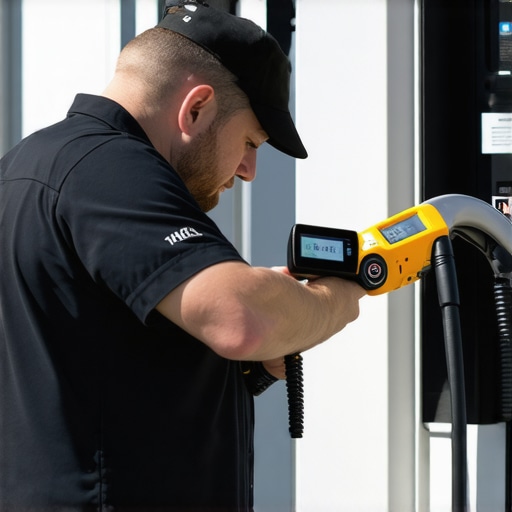
A dependable multimeter is invaluable for diagnosing electrical issues. I personally rely on a digital clamp meter with high-precision readings because it allows me to quickly check voltage and current flow without disrupting your system’s wiring. Regularly testing voltage at your panel and charger connection helps identify fluctuations or inconsistent power delivery, which can cause overheating or shutdowns. Remember to perform these checks thoughtfully—preferably during peak charging times—to catch potential problems early.
Use a Thermal Imaging Camera
Thermal imaging tools are game-changers for preemptive maintenance. They enable me to spot hotspots or uneven heat distribution in wiring or components that might look normal to the naked eye. With an initial investment, you can scan your installation periodically—especially after upgrades or repairs—and catch issues before they escalate. This proactive approach aligns with the best practices outlined in industry standards, such as those detailed on expert troubleshooting guides.
Maintain and Verify Your Breakers and Connections
Loose or corroded connections are silent killers of electrical systems, often leading to overheating. I use a high-quality insulated screwdriver to tighten all visible connections during routine checks, and I recommend tightening these biannually. For more intricate wiring assessments, I utilize a contactless voltage tester to verify that circuits are operating as intended without risking shock. Ensuring every connection is snug not only maintains system integrity but also extends the lifespan of your components.
Implement Load Monitoring and Management Software
As the future points toward smart, integrated systems, I suggest deploying load management software compatible with your inverter and charger. These tools help distribute power efficiently, prevent overloads, and ensure your setup remains within code compliance. I personally use platforms that offer real-time analytics, allowing me to monitor system health remotely and set alerts for irregularities. This technology is especially useful for multi-vehicle households or sites with V2H capabilities, aligning with the complex demands of 2026 standards.
How do I keep my EV charging system reliable over time?
Consistency is key. Schedule regular inspections, clean dust and debris from vents, and keep your software updated to patch vulnerabilities. As the hardware landscape evolves, so should your maintenance routines, embracing new tools and techniques. For instance, periodically reviewing your setup against latest code requirements helps ensure ongoing compliance and safety.
Looking ahead, automation and AI-driven diagnostics will become standard for homeowners and professionals alike. These advancements promise faster, more accurate troubleshooting and predictive maintenance, reducing downtime and extending equipment life. Today, starting with reliable tools like a high-quality multimeter or thermal camera can make a significant difference in your system’s longevity.
One advanced tip I recommend trying right now is integrating load management software with your existing setup. This proactive step can prevent overloads and improve efficiency, aligning your system with upcoming standards. Don’t wait—try implementing a basic monitoring platform today and experience the difference in your EV charging reliability.
What I Wish I Knew Before the First Panel Upgrade
One of the most eye-opening lessons I learned was that not all panel upgrades are created equal. Rushing into a higher capacity panel without understanding load management or code nuances can lead to more headaches later. Taking the time to research current standards and consulting with licensed electricians made a world of difference, preventing costly revisions and ensuring safety. This experience taught me that patience and proper planning are essential for a reliable EV charging setup.
How Real Experts Shape My Approach to Troubleshooting
Reading expert guides and industry standards, like those found at BrightSpark Electric, transformed my troubleshooting mindset. I no longer view issues as isolated glitches but as pieces of a broader system that require comprehensive diagnostics. Embracing tools like thermal cameras and high-quality multimeters, combined with expert advice, has empowered me to address problems efficiently, minimizing downtime and enhancing safety.
Why Comfort with Uncertainty Fuels Better Decisions
Initially, the complexity of 2026 standards and new load management strategies felt overwhelming. But over time, I realized that embracing the uncertainty opened pathways to learning and innovation. Every troubleshooting failure was a step toward mastery, deepening my understanding of electrical intricacies and code compliance. This mindset shift encourages anyone to take proactive steps—like implementing load management software—to stay ahead in a rapidly evolving landscape.
My Go-To Tools for Ensuring EV Charging Reliability
For me, investing in a reliable digital clamp meter and thermal imaging camera revolutionized my maintenance routine. These tools offer real-time insights into system performance, enabling early detection of potential issues. Maintaining proper connections and verifying wiring integrity frequently prevents overheating and shutdowns. Trusted sources and practical tools have become my pillars for sustaining a safe and efficient charging environment.
Take Action to Secure Your Charging Future
Now that you’re armed with these personal insights and practical tools, I encourage you to review your setup critically. Conduct thorough load assessments, upgrade your panel responsibly, and stay informed about evolving standards like those in 2026 code requirements. The journey toward a reliable EV charging system is ongoing, and every step you take today secures your energy independence tomorrow. Remember, proactive stewardship of your electrical setup isn’t just a safety measure—it’s an investment in peace of mind and the longevity of your equipment.