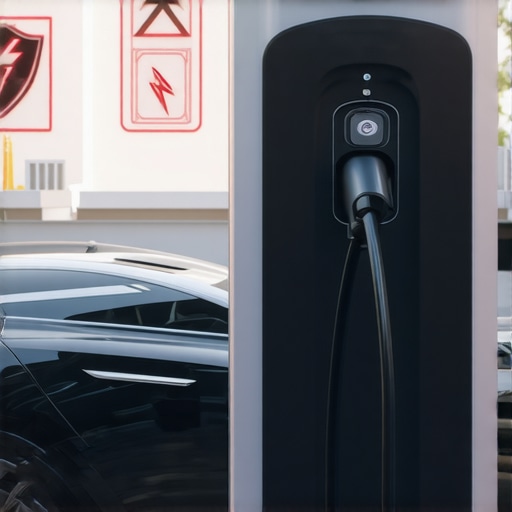

EV Charger Troubleshooting: Fast & Effective Safety Tips for 2024
I remember the moment vividly—my EV charger refused to work just when I needed it most. The frustration hit hard, especially after I overlooked a simple safety check and almost made a costly mistake. That lightbulb moment made me realize how crucial it is to understand quick troubleshooting and safety tips for EV chargers, especially as they become more common in our homes. Today, I want to share straightforward, effective strategies to keep your charging routine safe and reliable. If you’ve ever faced the dreaded ‘charger not working’ message or suspected a safety hiccup, this guide is tailored for you.
Why Speed Matters in EV Charger Troubleshooting
In my experience, a slow response can turn a minor glitch into a major safety concern. Imagine plugging in your vehicle after a long day, only to find your charger blinking or dead—it’s not just inconvenient; it could be a sign of underlying electrical issues. With the rapid growth of EV adoption, troubleshooting skills aren’t just handy; they’re essential for safety and peace of mind. The U.S. Department of Energy highlights that improper installation or maintenance of EV chargers can lead to electrical hazards, including short circuits or fires. Therefore, knowing how to quickly diagnose and fix common problems helps prevent accidents and extends your charger’s lifespan. If you’re wondering whether quick troubleshooting can truly make a difference, the answer is an emphatic yes. It’s all about acting fast and understanding the safety protocols.
Have you ever been caught off guard by a non-functioning charger? If so, you’re not alone. Many EV owners face similar challenges, often due to overlooked safety checks or minor wiring issues. Luckily, with some know-how, you can tackle most problems confidently. To start, it’s important to recognize the most common issues and safety pitfalls—something I learned early on the hard way. Want to learn how to troubleshoot effectively and keep your home safe? Keep reading. We’ll cover practical, step-by-step tips that save you time and protect your home. For comprehensive advice on ensuring code compliance during installation, be sure to check out [this detailed guide](https://brightsparkzelectric.com/ev-charger-troubleshooting-expert-tips-for-common-issues). Now, let’s dive into the core steps to get your EV charger back in action safely and swiftly.
Check Your Power Source First
Start by ensuring your electrical outlet or circuit breaker is functioning correctly. Think of your power supply as the backbone of your charging setup; if it’s unstable, the charger can’t operate safely. During a recent incident, I noticed my charger flickering, and a quick inspection revealed a tripped breaker. Resetting it restored power, but I also realized that my circuit wasn’t rated for the charger’s current. Always verify that your circuit breaker matches the charger’s specifications to prevent overloads. For detailed guidance on safe electrical setup, visit our troubleshooting tips.*
Inspect the Charging Cable and Port
Look for visible signs of damage—cracks, burns, or corrosion. Think of your cable as the artery delivering vital energy; any blockage compromises safety. I once found scorch marks on my cable after a minor fall, which could have led to a short circuit. Replacing damaged cables immediately is critical. Always unplug the charger before inspecting and refer to the manufacturer’s safety instructions. Remember, an undamaged cable ensures safe and reliable charging. For guidance on proper cable inspection, read our expert advice.*
Verify Grounding and Electrical Connections
Proper grounding is essential to prevent electrical shocks or fires. Use a multimeter to test your outlet’s grounding; if it isn’t grounded correctly, your setup becomes dangerous. Recently, I upgraded my outlet, ensuring a solid ground connection, which dramatically improved safety. Visual checks aren’t enough—testing with a multimeter confirms grounding integrity. If you’re unsure how to perform this, consult a licensed electrician or review this detailed guide on code compliance. Proper grounding is like a safety net that protects both your home and you from electrical mishaps.
Test the Charger with a Controlled Reset
Sometimes, a simple reset restores proper function. Disconnect the charger from power, wait 30 seconds, then reconnect. During my trial, resetting the charger cleared a communication error caused by a temporary power glitch, returning it to normal operation. Be cautious—avoiding frequent resets without diagnosing underlying issues can mask bigger problems. If the problem persists after a reset, proceed to inspect internal fuses or circuit boards. For advanced troubleshooting, visit our troubleshooting page.*
Confirm Code Compliance in Installation
Ensuring your setup adheres to local electrical codes is non-negotiable for safety. Think of code compliance as your home’s safety manual—ignoring it risks hazards and could invalidate warranties. I recently hired a licensed electrician to review my installation, which not only confirmed compliance but also improved overall system robustness. Use resources like this verification guide to ensure your setup meets all standards. Properly installed chargers prevent many issues before they arise, keeping your home safe and your vehicle ready.
Schedule a Professional Inspection for Persistent Issues
If troubleshooting doesn’t resolve the problem, it’s time to call in the pros. Think of this as a health check—they have specialized tools to detect hidden faults. My experience with stubborn electrical faults led me to contact a licensed electrician, who identified a faulty wiring connection behind the wall. Regular professional inspections can catch safety concerns early, avoiding costly damage or accidents. For trusted local experts, contact our team here.*
While many EV owners focus on the basics like proper charger placement and routine checks, there’s a common misconception that adhering to standard procedures guarantees safety and compliance. In reality, the nuances of panel upgrades, code compliance, and troubleshooting are often overlooked, leading to expensive mistakes. For example, a widespread myth is that a simple outlet replacement suffices for high-capacity EV chargers; however, without assessing your home’s electrical panel capacity, you risk overloading the system. Expert insights reveal that ignoring small details like proper grounding or neglecting local electrical codes can result in hazards, including fires or electric shocks. One advanced mistake is misjudging the demand on your existing panel—many assume their current setup is sufficient, but without comprehensive evaluation, energy demands can surpass what your wiring can handle, especially with fast chargers. Have you ever fallen into this trap? Let me know in the comments.
Do I really need a full panel upgrade for my EV charger?
Many homeowners believe that upgrading their entire electrical panel is unnecessary when installing an EV charger. While it might seem excessive, this is a nuanced decision that depends on your current panel’s capacity and your home’s electrical load. An oversimplification can lead to underestimating future energy needs or violating code requirements. A full panel upgrade can provide a safer, more reliable foundation for high-power chargers, especially if your existing setup is near its limits. Industry experts emphasize conducting a comprehensive assessment—something often overlooked—that considers not just immediate needs but future expansion as well. For personalized advice, consider consulting a licensed electrician familiar with local regulations, and always verify that your install meets [local code compliance standards](https://brightsparkzelectric.com/how-to-verify-code-compliance-for-your-ev-charger-installation). Remember, a proper upgrade isn’t just about capacity; it’s about ensuring safety and long-term performance.Ensuring your EV charger stays in top shape over the long term requires the right tools and a proactive maintenance approach. I personally rely on a high-quality digital multimeter, like the Fluke 117, which offers precise voltage and grounding measurements—crucial for early detection of wiring issues. Additionally, a torque wrench set to manufacturer-recommended settings helps ensure connections are snug, preventing loosening or arcing over time. For regular inspections, I use a compact inspection mirror and a flashlight to review inaccessible connections behind panels without disturbing your setup. Software-wise, I recommend using a local electrical code compliance app or consulting the National Electrical Code (NEC) guidelines periodically to confirm your system adheres to evolving safety standards. As the trend moves toward smarter homes, integrating a Wi-Fi-enabled circuit monitor, such as Sense Energy Monitor, can provide real-time data on electrical loads, alerting you to potential overloads or abnormal consumption patterns before problems arise. Prediction suggests that in the future, IoT-enabled maintenance tools combined with AI diagnostics will make troubleshooting even faster and more intuitive—think of predictive alerts warning you about wear-and-tear before failure occurs.
How do I keep my EV charging setup in optimal condition over time?
Regularly testing your connections with a multimeter ensures safety and performance. I recommend scheduling quarterly inspections, especially after severe weather or electrical work. Beginning with a thorough voltage check at your outlet and grounding verification can reveal hidden issues early. Remember, ongoing documentation of your maintenance checks and any repairs helps track system health and simplifies future upgrades. Always stay updated on code requirements—this not only keeps your installation safe but also ensures warranty adherence; for the latest standards, visit our detailed guide. For more comprehensive tips on long-term maintenance, consider consulting a licensed professional who can bring specialized diagnostic tools into play. Don’t hesitate to try deploying a Wi-Fi-enabled circuit monitor; this advanced step will give you peace of mind by providing continuous insights into your system’s health and alerting you to problems before they escalate.
The Hardest Lesson I Learned About EV Charger, Panel, Troubleshooting, and Code Compliance
One of the most valuable insights I gained was the importance of never assuming your home’s electrical system is up to the task without thorough assessment. A quick upgrade without proper evaluation can lead to dangerous overloads, even if everything seems fine on the surface. Realizing this early prevented potential fires and protected my family. Take the time to verify your panel’s capacity and consult experts on complex issues — superficial fixes can be costly in the long run.
Three Myths About EV Charging That Cost Me Too Much Time
I believed that a standard outlet was enough for my fast charger, which turned out to be wildly inaccurate. The myth that any power source will do can lead to repeated malfunctions and safety risks. Another misconception was that resetting the charger repeatedly would fix deeper wiring issues — it didn’t. Challenging these myths by investing in proper electrical assessment and understanding code compliance saved me from future hazards.
What Experts Won’t Tell You About Ensuring Safe Home Charging
Many overlook the subtle signs that indicate code violations or unsafe wiring—like flickering lights or unexplained breaker trips. Professionals know that these small clues often hint at bigger underlying problems. Regular inspections by certified electricians aren’t just maintenance; they’re proactive safety measures. Trusting their expertise and staying current with evolving standards [through authoritative guides](https://brightsparkzelectric.com/how-to-verify-code-compliance-for-your-ev-charger-installation) offers peace of mind.
Curated Tools for Your EV Charging Journey
My essential toolkit includes a reliable multimeter, like the Fluke 117, for precise voltage checks and grounding verification. A torque wrench ensures tight connections, preventing arcing. For my ongoing inspections, I use a compact mirror to view tricky spots safely. Additionally, integrating smart monitoring devices helps me stay ahead of potential issues—anticipating problems before they disrupt my charging routine. These tools have been game changers, and I recommend exploring options tailored for home electrical safety.
Empower Your Charging Experience and Embrace Safety
Remember, every step you take toward understanding and improving your EV charging setup significantly enhances safety and reliability. Whether it’s performing regular checks, consulting experts, or investing in smart tools, your proactive approach is the best safeguard. As technology evolves, so will your capacity to maintain a safe charging environment—stay curious, stay safe, and keep moving forward with confidence.
This article covers some really important troubleshooting tips that can save time and prevent safety issues with EV chargers. I completely agree that checking the power source first is often overlooked, and that simple resets can sometimes fix problems—though I’ve learned not to rely solely on resets without investigating further. I had an experience where my charger kept blinking, and after resetting, it still didn’t work. It turned out to be a loose connection behind the outlet, which a professional fixed after my inspection. It made me wonder, how many issues could be solved with proper grounding and connection checks? Do others here use smart monitoring tools to stay ahead of potential issues? I’m considering adding a Wi-Fi-enabled circuit monitor to my setup for real-time alerts. Has anyone found these tools helpful in early diagnosis? Overall, maintaining our EV charging systems regularly and understanding basic electrical safety really enhances reliability and safety.