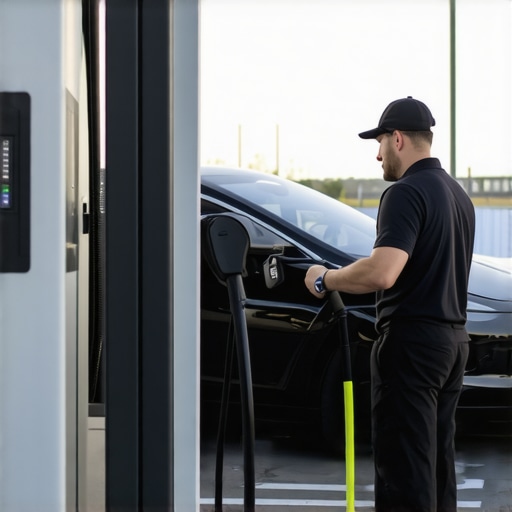

EV Charger Troubleshooting: Expert Guide to Safe Power & Reliability
I still remember the frustrating afternoon when my brand-new EV charger stopped working just weeks after installation. There I was, ready to hit the road, only to be met with an error message and no power. That lightbulb moment made me realize how crucial it is to understand the intricacies of safe and reliable EV charging. Early on, I made the mistake of overlooking code compliance and panel capacity, which only led to more headaches down the line. If you’ve ever faced similar issues—struggling with inconsistent charging or fearing safety risks—you’re not alone. But what if I told you there’s a way to troubleshoot effectively and ensure your setup is both safe and reliable? Today, we’ll dive into practical strategies and expert tips to help you avoid common pitfalls and keep your EV charger running smoothly. We’ll cover everything from verifying code compliance to essential panel upgrades, making sure your investment is protected. Ready to transform your charging experience? Let’s get started.
Verify Code Compliance Before Installing
Start by confirming your setup adheres to local electrical codes. This reduces safety risks and prevents future issues. I once thought I knew the rules but overlooked a subtle code violation, leading to voltage fluctuations. After consulting the detailed guide on EV charger troubleshooting, I corrected my wiring, preventing potential hazards. Use a checklist from the compliance resource to ensure you meet all standards.
Assess Your Electrical Panel Capacity
Next, evaluate if your electrical panel can support a new charger. Think of your panel as a highway; adding a high-capacity charger is like building an extra lane. I once ignored this step, and the charger kept tripping the breaker during peak times. Upgrading my panel with guidance from panel upgrade tips made my charging consistent and safe. Check your panel’s main breaker and existing loads—if they’re nearing capacity, consider a professional upgrade.
Consider Professional Inspection and Upgrades
If your panel is old or undersized, a professional inspection can uncover hidden issues. I hired an electrician for an assessment; they identified loose connections that could have caused short circuits. Their expertise in panel upgrades ensured my system’s safety and compliance. Don’t wait for faults to appear—get an expert to evaluate your system, especially if installing high-power chargers.
Implement Troubleshooting Protocols
Establish a troubleshooting routine for your charger. If you experience issues, consult trusted resources like this troubleshooting guide. I once faced an intermittent connection, which I fixed by resetting the breaker and updating firmware. Documenting your troubleshooting steps helps in identifying patterns that may signal deeper issues.
Maintain Regular Safety Checks
Schedule routine inspections to keep your setup in check. Replace worn-out cables and tighten loose connections. Think of it as regular health check-ups; they prevent failures before they happen. Regular maintenance, inspired by safety tips, prolongs the lifespan of your equipment and ensures safe operation.
Document and Follow Manufacturer Guidelines
Always adhere to the manufacturer’s instructions for installation and maintenance. They specify requirements that align with safety standards. I learned this lesson when ignoring a manufacturer’s clearance recommendation led to overheating. Staying compliant with guidelines guarantees your system’s optimal performance and safety.
Many homeowners assume that once they’ve checked off the basic steps—like verifying local codes and upgrading their electrical panel—they’re clear of issues. However, this belief overlooks critical nuances that could undermine the safety and reliability of your EV charging setup. One common misconception is thinking that code compliance is a one-time checklist rather than an ongoing standard. In reality, codes evolve, and what was compliant a year ago might no longer meet current safety standards, especially with rapidly advancing EV technology. For instance, some installers overlook recent updates in wiring methods or insulation requirements, inadvertently creating hazards. Regularly reviewing authoritative sources, such as the expert troubleshooting guides, can help you stay ahead.
Another trap is believing that a professional installation guarantees code compliance without your involvement. While professionals are trained, they might rely on outdated practices or overlook unique load conditions in your home. Engage actively in discussions about a comprehensive compliance verification process. Asking detailed questions ensures that every aspect—wire sizing, breaker capacity, grounding—is meticulously checked against current standards.
Advanced mistakes also include neglecting to consider the fluctuations in energy demands during peak usage. Your electrical panel might be upgraded, but if your home’s wiring isn’t rated for sustained high loads, it can cause long-term damage or safety issues. A nuanced understanding involves analyzing your overall electrical load, not just the EV charger alone, which requires a deeper assessment than mere capacity checks. Modern studies, such as those referenced in expert analyses, highlight that a holistic approach to electrical safety is paramount.
Depending solely on generic advice is another common mistake. Instead, tailor your electrical system evaluation to your specific home’s wiring configuration, usage patterns, and future expansion plans. For example, some situations benefit from an ancillary panel or sub-panel to distribute loads more safely—details often missed by novices.
Lastly, remember that troubleshooting and maintaining compliance isn’t a set-and-forget task. Conducting periodic inspections, especially after service upgrades or wiring repairs, can reveal hidden issues before they escalate. Regularly consulting updated guidelines and engaging with licensed electricians who prioritize ongoing education is essential. If you want to delve into the specifics, the advanced panel upgrade strategies provide comprehensive insights.
Have you ever fallen into this trap? Let me know in the comments. Navigating the nuanced landscape of code compliance requires more than just ticking boxes—it demands proactive vigilance and continuous learning.
How do I maintain my EV charging system over time
Keeping your EV charger functioning reliably requires more than initial installation; it demands ongoing oversight using the right tools and methods. One essential tool I rely on is a quality digital multimeter. I prefer models like the Fluke 117 because of their precision and durability. They allow me to check circuit continuity, voltage levels, and grounding connections swiftly, ensuring that everything remains within safe parameters. Regular voltage testing with a multimeter helps catch issues like voltage drops or inconsistent power supply before they cause costly repairs or safety hazards.
Alongside hardware, software plays a vital role. I use load management apps such as Sense Home Energy Monitor, which integrates with my smart home system. This app provides real-time insights into electrical consumption patterns, enabling proactive adjustments to prevent overloads on my electrical panel. It also helps identify unusual activity that could signal wiring degradation or device malfunction, so I can address issues early and maintain compliance with safety standards.
For detailed diagnostics, I turn to advanced EV charger troubleshooting software. Platforms like the expert troubleshooting guides offer step-by-step diagnostic procedures that I follow meticulously. These digital resources are crucial when troubleshooting connectivity or firmware issues that simple resets don’t resolve. Investing in reliable diagnostics minimizes downtime and extends the lifespan of your equipment.
Routine inspections are equally critical. I schedule quarterly visual checks to examine wiring, cable insulation, and terminal connections for signs of wear or corrosion. Using a inspection mirror and a flashlight helps me reach tight or hidden areas, catching problems early. Combining hands-on inspections with tools like multimeters and apps creates a comprehensive maintenance routine that safeguards against unexpected failures.
Looking ahead, the trend is moving toward integrating IoT-enabled systems with predictive maintenance algorithms. Such systems analyze data from your setup continuously, alerting you to potential issues before they manifest. According to a recent report by Bright Spark Electric, adopting these smart tools can drastically reduce maintenance costs and improve safety.
My challenge to you is to try implementing a professional-grade digital multimeter combined with load monitoring software for your next maintenance session. Observing real-time data and verifying circuit integrity can save you from costly repairs down the line. Regularly using these tools ensures your charging station remains compliant, safe, and reliable over the long haul. For more detailed strategies, consult the recommended troubleshooting guides mentioned above.
Through my journey with EV charging systems, I uncovered that the most overlooked lessons often hold the key to long-term safety and performance. One profound realization was that compliance isn’t just a checklist—it’s an ongoing commitment. I learned that neglecting recent code updates can turn your dream setup into a safety risk, and trusting a professional without active engagement might leave gaps in your system’s security. Additionally, understanding your home’s unique electrical landscape is crucial; a panel upgrade without assessing your total load can cause unforeseen failures. These lightbulb moments taught me that proactive education and continuous vigilance are essential for resilient EV charging in your home.
My Hidden Gems for Keeping Your EV Charging Safe
I’ve relied heavily on tools like the expert troubleshooting guides, which break down complex issues into manageable steps, saving me time and worry. The recommendations on panel upgrades from trusted sources have empowered me to make smarter, safer decisions about my home’s electrical health. I also swear by high-quality digital multimeters like the Fluke 117, which help me verify wiring integrity and voltage levels regularly, ensuring consistent safety. Lastly, load management apps such as Sense give me real-time insights that prevent overloads, making my setup future-proof.
Embrace the Power of Action and Compassion
Taking ownership of your EV charging safety isn’t just about technical fixes—it’s a mindset. I believe that by staying informed, actively participating in your system’s maintenance, and embracing continuous learning, you build not just a safer home but peace of mind. Your journey towards reliable EV charging can be as rewarding as the drive itself. Remember, every step you take adds to a safer, more efficient future for your family and community. Don’t wait for a problem—start today by reviewing your system, consulting trusted resources, and engaging with licensed professionals. Your future self will thank you for it!