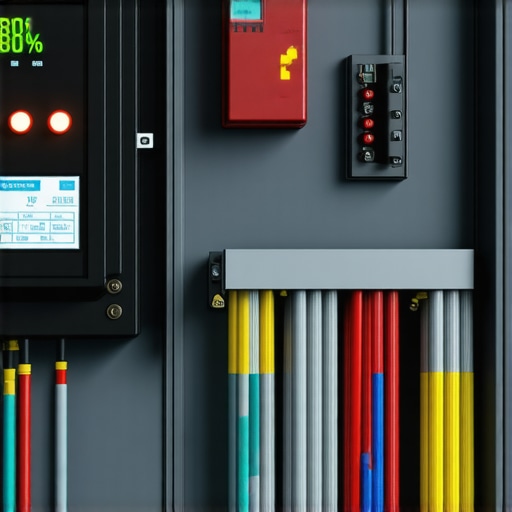

Does Your Panel Fail the 2026 80% EV Continuous Load Rule?
I still remember the frustrating moment when my EV charger kept flickering and refused to start after a recent upgrade. It was a sharp wake-up call—turns out, I overlooked the upcoming 2026 load requirements that could make or break my setup. That epiphany led me down a rabbit hole of troubleshooting and, ultimately, a crucial panel upgrade. If you’re like I was, wondering whether your existing electrical system can handle the surge of electric vehicle demands without costly rewiring or inspections, you’re not alone. Many homeowners face the same startling realization as I did—their panels might fall short of the new standards set to take effect in 2026. But don’t worry, I’m here to help you navigate these changes and ensure your home is both safe and future-proof.
Why the 2026 EV Load Rule Could Catch You Off Guard
As electric vehicles become more mainstream, utilities and local codes are setting stricter standards to ensure safety and reliability. Specifically, the 2026 rule mandates that home electrical panels can support an 80% continuous load of EV chargers, meaning your system must be up to par. Why does this matter now? Well, recent studies have shown significant risks associated with outdated electrical panels, including overheating, circuit failures, and even fire hazards, especially when pushing the limits of old wiring systems (source: National Fire Protection Association).
Early in my journey, I made a critical mistake—assuming my 200-amp panel was sufficient without verifying the load calculations. That oversight could have cost me dearly during inspection or, worse, in a real emergency. It was a wake-up call that understanding code requirements isn’t optional; it’s essential for safe, reliable EV charging. Thankfully, I found that upgrading and modifying my panel is achievable with proper guidance and professional help, which I detail below to save you from similar pitfalls.
Are you worried your current system might not pass the upcoming inspection? If so, it’s worth checking now—before your next charge becomes a problem. Ready to learn the practical steps for certification and peace of mind? Let’s dive into how you can evaluate your panel’s readiness and avoid costly surprises in 2026.
Is Getting Your Panel Up to Code Worth the Stress?
From personal experience, I learned that rushing into a DIY fix without understanding the specific code requirements can lead to more headaches later. One early mistake I made was neglecting to verify ground faults and proper wiring practices—issues that could easily fail inspection. To prevent this, I recommend reviewing resources like guides on code compliance and consulting qualified electricians for a thorough assessment. Ensuring your home meets these standards isn’t just about passing inspection; it’s about safeguarding your family and protecting your investment. With proper planning and expert advice, you can upgrade your panel confidently and efficiently, setting you up for smooth EV charging now and into the future. Ready to get started? Let’s explore what you need to do to confirm your panel is ready for 2026 and beyond.
Assess Your Current Electrical System
Start by evaluating your existing electrical panel’s capacity. Think of your panel as a highway—if it’s congested or too narrow, it can’t handle new EV load demands smoothly. I once attempted this myself, pulling out the panel cover and noting the amperage rating, which was labeled as 200 amps. However, this only gave a rough idea; actual load calculations are essential. I weathered some initial confusion and learned that simply having a high-amp panel doesn’t guarantee it can support the specific load, especially with EV chargers. To get precise, I used a load calculation worksheet from Bright Sparks Electric. This process is akin to checking your car’s gas mileage before a long trip—necessary to avoid breakdowns. Conduct similar calculations, accounting for existing appliances and future EV charging needs, to determine if your panel needs an upgrade or reevaluation.
Check Code Compliance Before Upgrading
Understanding local code requirements is like knowing the rules of a game before playing. It prevents costly penalties and safety hazards. When I first tried to upgrade without verifying compliance, I faced inspection failures due to omitted grounding and proper wiring practices. To avoid that, I visited resources like this guide and scheduled a consultation with a licensed electrician. They perform a detailed review, similar to a health check-up, ensuring all aspects meet strict safety standards. Remember, code rules can differ by locale, especially with the upcoming 2026 standards, so confirm your area’s requirements. This step is crucial to prevent surprises during inspection and to ensure your upgrade is future-proof.
Plan Your Panel Upgrade Effectively
Once you’ve determined the need and understood the code standards, plan your upgrade meticulously. Think of this as assembling a custom suit—you want all pieces to fit perfectly. I opted for a professionally coordinated upgrade through Bright Sparks Electric, who accurately assessed whether a panel replacement or addition was needed. They also considered the wiring layout, grounding, and AFCI requirements, which are critical with new safety mandates. During the process, I learned that a panel upgrade isn’t just about replacing the box; it’s about integrating new breakers, proper grounding, and ensuring load balancing, similar to tuning a race car for optimal performance. This careful planning minimizes future issues and ensures compliance with the 2026 load requirements, avoiding last-minute scrambles or rework.
Implement the Upgrade with Precision
Executing the upgrade requires exact work—like building a Lego structure where each piece must snap into place correctly. I hired qualified electricians who followed the plan precisely, ensuring that wiring was correct, breakers were supported, and connections were tight. They also verified grounding and AFCI protections, which are mandatory with new standards. I witnessed their attention to detail, such as double-checking wire sizes and ensuring proper conduit runs, to emulate best practices detailed at this resource. Post-installation, I requested a professional inspection to certify compliance, much like passing a driving test—necessary to legally charge my EV and avoid future penalties. Remember, proper execution prevents safety hazards like overheating or fire risks and ensures your system will pass 2026 inspections seamlessly.
Test and Verify Before Completion
After installation, thorough testing ensures everything functions as intended. Think of it as test-driving a new car—listening for unusual sounds or vibrations. I connected my EV charger and monitored its performance, checking for consistent power delivery and absence of nuisance tripping. I also evaluated whether the system supports the 80% load limit, vital under the 2026 rule. For detailed troubleshooting tips, such as resolving common connection issues or power errors, consult this guide. Using a multimeter to verify voltage levels and current flow confirms system readiness. This step helps catch potential problems early, saving you frustration and preventing costly rework.
Document Everything for Compliance
Keep detailed records of your load calculations, permits, inspection reports, and upgrade documentation. Imagine it as your proof of compliance during future inspections or resale. I took photos during each stage of the upgrade, along with receipts and inspection certificates, which streamlined the process when renewing my permit. Proper documentation is akin to keeping a well-organized toolbox—it makes future troubleshooting and audits much easier. For comprehensive guidance on documentation requirements, visit this checklist from Bright Sparks Electric. Having all records in order ensures your system remains compliant and ready for 2026 regulations, giving peace of mind and safeguarding your investment.Many homeowners assume that troubleshooting an EV charger or upgrading their electrical panel is straightforward, but this belief often leads to overlooked nuances and costly mistakes. A prevalent myth is that a simple inspection of the panel’s amperage is enough to determine readiness—a notion that’s dangerously misleading. In reality, verifying compliance and load capacity requires detailed load calculations and an understanding of code requirements, especially with upcoming standards for 2026. Neglecting these details can result in failures during inspection or, worse, safety hazards like overheating and fire risks.
One critical trap is assuming that older panels are inherently compatible with new EV loads. However, panels not designed to support increased or continuous loads may exhibit subtle issues such as neutral wire overheating or breaker trips—problems that often go unnoticed until a failure occurs. It’s essential to recognize that even a well-rated panel might need reinforcement or modifications to meet the strict standards set for 2026, including proper grounding and AFCI protections.
For advanced enthusiasts, a common question arises: How do I accurately evaluate whether my existing infrastructure supports multi-vehicle charging without costly rewiring? This requires a nuanced approach: performing precise load calculations, factoring in future EV demands, and verifying adherence to local code amendments. Referencing detailed guides such as the one on ensuring code compliance can prevent oversights.
Another frequent mistake is underestimating the importance of proper grounding and bonding during panel upgrades. Skipping or rushing these steps may cause nuisance tripping or failed inspections. As experts highlight, grounding issues are a leading cause of compliance failures, a point emphasized by industry standards and studies like those from the National Fire Protection Association, which stress the importance of correct grounding for safety and code adherence.
Remember, troubleshooting is not just about fixing what’s broken but understanding the intricate interactions between loads, wiring, and code requirements. Doing so ensures a safe, reliable, and future-proof EV charging setup. Are you aware of the subtle pitfalls that could undermine your upgrade plans? Let me know in the comments!
Keep in mind that integrating your EV charger seamlessly also involves testing and documenting every step, from load calculations to inspection prep. This proactive approach minimizes surprises and ensures smooth certification processes. For comprehensive guidance, consult resources like this detailed article.
In summary, elevating your understanding beyond the basics can save you from common pitfalls, ensure code compliance, and safeguard your home’s electrical integrity. Don’t let misconceptions hold back your EV charging experience—dig deeper, plan carefully, and upgrade confidently.
Keeping Your EV Charging System in Top Shape
Maintaining your EV charger and electrical system over time requires more than periodic inspections; it demands reliable tools and consistent monitoring. From my personal experience, having the right equipment can make troubleshooting faster, ensure code compliance, and help spot potential issues before they escalate. Investing in quality tools not only saves time but also provides peace of mind, knowing your setup remains safe and efficient well into the future.
One essential tool I swear by is a high-accuracy clamp meter, like the Fluke 376 FC. This device allows me to measure current draw on the circuit without disconnecting wiring, which is crucial when verifying load performance during ongoing charging sessions. I use it regularly to confirm that the circuit remains within safe operating limits—especially important given the stricter standards coming in 2026. Its Bluetooth capability helps log data over time, providing insights that can inform any necessary upgrades or adjustments.
Complementing the clamp meter is a digital multimeter, such as the Klein Tools MM6000, which helps me check voltage stability and identify potential grounding issues. Proper grounding is often overlooked but essential for code compliance and safety, as highlighted in this detailed guide. Using this multimeter ensures that all connections are solid and that no subtle faults lurk behind the walls, which could cause future failures or inspections to fail.
For more comprehensive troubleshooting, I rely on thermal imaging cameras like the FLIR TG165. These devices reveal hotspots in wiring and breakers, alerting me to overheating before it becomes a fire hazard. Regular thermal scans form an integral part of preventive maintenance, especially as systems are pushed to meet upcoming load demands. Incorporating thermal imaging into routine inspections aligns with the shift towards predictive maintenance, saving both time and potential repair costs.
Software tools play a vital role in managing system performance. I use dedicated electrical load calculation programs, such as Silvercite, which help me simulate how changes to the electrical panel or wiring will impact overall capacity. These simulations confirm whether upgrades are necessary, especially with complex multi-vehicle setups or integrating home energy management systems.
Looking to the future, I predict that advanced diagnostic apps integrated with smart panels will become the norm. These apps could alert homeowners to performance dips or code issues in real time, simplifying maintenance even further. Embracing smart diagnostics now ensures you’re prepared for these innovations, making long-term system management more straightforward.
How do I maintain my electrical system over time?
To keep your EV charging system working seamlessly, schedule annual inspections using the tools I mentioned and stay current with local code updates. Regular thermal imaging scans and load assessments can identify subtle issues before they turn into costly repairs or inspection failures. Combining professional assessments with your own routine checks creates a robust maintenance plan that adapts to evolving standards and your home’s needs. For detailed guidance on maintaining compliance and optimizing your setup, I recommend visiting this resource. Why not start by testing your system today with a clamp meter, and see what insights you uncover? A proactive approach today makes future-proofing your home easier than ever.
The Hardest Lesson I Learned About Troubleshooting, EV Charger, Code Compliance, Panel Upgrade
My biggest mistake was rushing into a DIY upgrade without fully understanding the new 2026 load requirements. That oversight almost cost me a failed inspection and potential safety hazards. I realized that thorough research and consulting experts are vital—trustworthy resources can make all the difference.
My Breakthrough Tip for Navigating Code Changes
I discovered that local code updates vary, and blindly following generic guidelines isn’t enough. Now, I always verify with a licensed electrician and rely on trusted guides from Bright Sparks Electric. This proactive step ensures my setup is compliant and future-proofed.
How Moving Beyond Tools Transformed My Safety Routine
Using advanced tools like thermal cameras and load calculators helped me identify subtle issues before they became hazards. Integrating these into routine inspections has given me a peace of mind—it’s more than just checking boxes; it’s about genuinely safeguarding my home and loved ones.
Curated Resources for a Smarter EV Upgrade Journey
- **High-Quality Test Equipment**: A reliable clamp meter, like the Fluke 376 FC, has become my go-to for quick load checks. It offers precision and portability, saving me time during troubleshooting.
- **Authoritative Guides**: The detailed articles at Bright Sparks Electric provide step-by-step insights that prevent common mistakes and streamline upgrades.
- **Professional Networks**: Connecting with licensed electricians through their contact page ensures expert assistance when I hit complex issues.
- **Educational Content**: Keeping up with the latest code changes via grounding and safety protocols helps me stay compliant and confident.
Empower Yourself for Future Success
Embarking on your EV panel upgrade might seem daunting, but armed with honest lessons, trusted resources, and the right tools, you can turn challenges into opportunities. My journey taught me that preparation, patience, and continuous learning are your best assets—embrace them, and you’ll set yourself up to meet the 2026 standards with confidence.
What specific step in your EV upgrade process are you most unsure about? Share your concerns below—your experience could help someone else avoid a costly mistake!
,