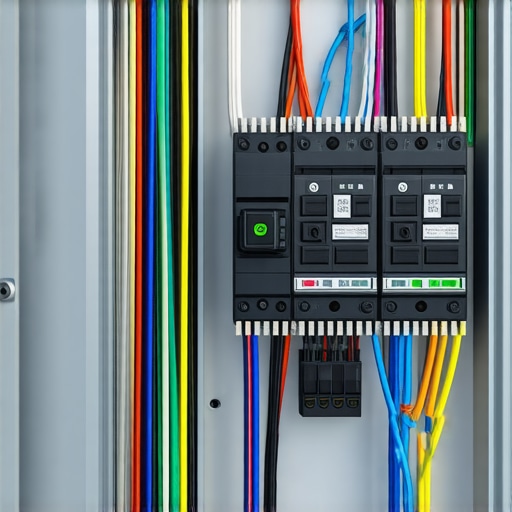

Affordable Electrical: Essential Panel Upgrades for Code Compliance & EV Safety
I remember the moment clearly. My old electrical panel was humming along, but I kept ignoring the subtle signs of aging—flickering lights, tripped circuits, and a growing sense that my home’s electrical system was playing catch-up. Then, one evening, my EV charger refused to turn on. That was my lightbulb moment. I realized that upgrading my panel wasn’t just about convenience; it was about safety, compliance, and future-proofing my home. If you’ve faced similar frustrations, you’re not alone.
Why Upgrading Your Electrical Panel Should Be a Priority Today
As more homeowners adopt electric vehicles and modernize their homes, the demand on electrical systems grows exponentially. An outdated or undersized panel can cause safety hazards, non-compliance with local codes, and unreliable charging experiences. The good news? Many of these issues are preventable with a smart, affordable upgrade. By investing in your electrical system now, you can ensure your home is safe, efficient, and ready for the future.
Make Sure You’re Not Missing Out on Critical Upgrades
In my early days, I made a costly mistake—assuming that my existing panel could handle everything. I didn’t realize how much electric vehicle charging, smart devices, and home renovations would push my system beyond its limits. This oversight led to frequent trips, potential fire hazards, and a lot of stress. Trust me, avoiding these pitfalls means understanding what upgrades are essential for code compliance and EV safety. Curious about what’s involved? Check out this guide to upgrading your panel for better EV charging performance.
What This Post Will Cover
Today, I’ll walk you through the key upgrades that can keep your electrical system safe and compliant. You’ll learn how to identify if your panel needs an upgrade, what steps to take, and how to do it affordably without sacrificing quality. Ready to ditch the guesswork? Let’s dive into the practical solutions that will protect your home, your loved ones, and your investment.
Assess Your Current Electrical System
The first step is to evaluate your existing electrical panel. Turn off all appliances and locate your panel. Check the amperage rating, usually printed on the door or inside the panel door. If it’s rated at 100 amps or less, you’re likely due for an upgrade. Take note of the number of circuits and the size of the main breaker. A quick way to test the load capacity is to compare your household’s total power needs with the panel’s rating. If you’re unfamiliar, consider consulting a professional or using a load calculator available online. When I did this for my home, I found my panel was undersized for my EV charger and smart home devices, prompting me to proceed with an upgrade. 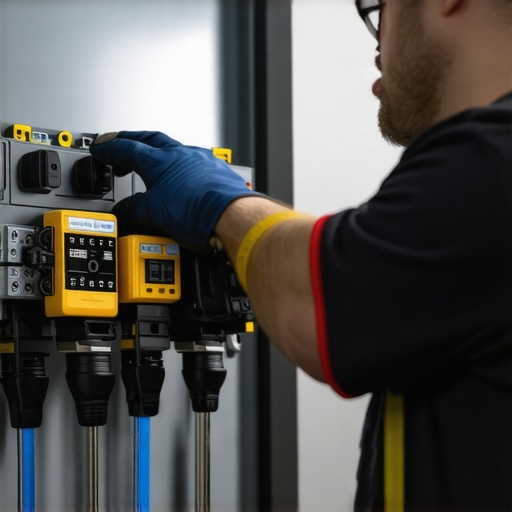
Determine Your Power Needs
Identify what appliances and devices you plan to run simultaneously, especially your EV charger. Modern homes often require a 200-amp panel to accommodate new technology and safety standards. Use a load calculation to quantify your needs. For example, if your EV charger demands 40 amps, and you have multiple smart devices, lighting, and HVAC, your existing panel might be insufficient. Upgrading your panel ensures you meet code requirements and provides headroom for future expansion. I learned this the hard way when my EV charger kept tripping the breaker because my old panel couldn’t support the load. To prevent this, I upgraded to a panel that could handle both my current needs and future upgrades, such as smart appliances and additional EV chargers. Check out this guide on panel upgrades for EV charging for detailed planning.
Choose the Right Panel and Components
Select a panel rated for your calculated load, with enough spaces for additional circuits. Consider a panel with a main breaker rated at least 200 amps and enough branch circuit spaces. Use high-quality, UL-listed components to ensure safety and compliance. I opted for a panel with a load center designed for easy expansion, simplifying future upgrades. When selecting components, pay attention to wire gauges and breaker ratings. For EV charging, a 40-50 amp circuit breaker is typical, but verify with your EV charger specifications. For detailed component selection, review this resource on panel component requirements.
Prepare for the Upgrade and Schedule a Professional
Electrical panel upgrades are complex and require adherence to local codes. Turn off the main power supply before beginning work. Carefully remove the old panel, labeling wires for re-connection. Use proper tools and safety gear. If you’re not experienced, this is a job best left to licensed electricians. When I upgraded my panel, I contacted a professional from Bright Sparks Electric, who completed the job safely and efficiently. They also ensured the installation was compliant with local codes, which you can verify at this guide on code compliance. Scheduling professional help minimizes risks and guarantees that your upgrade passes inspection.
Final Steps and Testing
Once the new panel is installed, reconnect all circuits, turn on the main breaker, and test each circuit individually. Check your EV charger to ensure it powers on correctly and no breakers trip under load. Use a multimeter to verify voltage levels and proper grounding. If issues arise, consult your electrician or troubleshoot using these troubleshooting tips. Proper testing confirms your system’s safety and readiness for reliable EV charging. I experienced a minor hiccup when my charger initially didn’t communicate with the circuit, but following troubleshooting steps from the experts resolved it swiftly.
Many homeowners assume that simply replacing an old electrical panel with a modern one will automatically ensure safety and compliance. However, this is a misconception that can lead to costly mistakes. One of the most overlooked nuances is understanding the importance of load balancing and proper circuit design. An upgrade without considering how to distribute power effectively across circuits can result in uneven load, increased wear, and potential safety hazards. This is precisely why consulting with an expert is crucial to achieve an optimal setup that not only meets current needs but also anticipates future expansion.
Why Do So Many Get Tripped Up on Code Compliance
Many believe that installing a new panel automatically guarantees code compliance. In reality, code requirements vary by location and are frequently updated. Failing to verify that your installation aligns with local standards can lead to inspections failures, fines, or the need for costly rework. The subtlety lies in ensuring that all components, wiring, and grounding meet the latest regulations. For instance, improper grounding or insufficient wire gauge can compromise safety and void warranties. To avoid this, always review this guide on verifying code compliance and work with licensed professionals who stay current with local codes.
Another common trap is underestimating the importance of surge protection and proper breaker sizing. Using a breaker rated below your EV charger’s requirements can cause frequent trips, damaging both the charger and the home’s electrical system. Conversely, oversized breakers do not necessarily improve safety and can be a code violation. Make sure your electrician designs a system that balances safety, efficiency, and future needs, referencing these troubleshooting tips for common issues to ensure your setup is resilient.
Advanced Mistake to Watch Out For: Ignoring Load Calculations
One of the most sophisticated errors is neglecting detailed load calculations. While a 200-amp panel might seem sufficient, if your calculations reveal that your combined appliances, smart devices, and EV charger demand more, you’re risking overload. This oversight can cause breaker trips, reduce lifespan of components, or even fire hazards. To prevent this, leverage professional load analysis or use online calculators, and always plan for future expansion. Remember, an upgrade is not just about today’s needs but also about safeguarding your home’s electrical health for tomorrow.
By understanding these nuances and avoiding common pitfalls, you ensure your electrical system upgrade is both safe and future-proof. Have you ever fallen into this trap? Let me know in the comments, and share your experiences or questions on upgrading your home’s electrical system.
How do I maintain my electrical system over time
Maintaining your electrical system, especially after upgrading your panel for better EV charging performance, is crucial to ensure longevity and safety. Personally, I rely on a few specific tools and methods that have proven effective. First and foremost, I recommend investing in a high-quality multimeter, such as the Fluke 117. This device allows me to regularly check voltage levels and verify that all circuits are functioning within safe parameters. I use it monthly to perform quick inspections, which helps catch any anomalies early before they become costly problems.
Another essential tool is a circuit tester, like the Klein Tools NCVT-3. It simplifies the process of confirming whether outlets or circuits are live, especially after a new installation or upgrade. I find this particularly useful when troubleshooting issues or verifying proper grounding after a panel upgrade.
In addition to hardware, software tools play a role in ongoing maintenance. I use load calculation apps, such as the Easy Load Calculator, to monitor my household’s power consumption. This helps me ensure my system isn’t overburdened, which is vital for avoiding trips and potential hazards. These apps are also handy for planning future expansions, giving me peace of mind that my setup remains safe and compliant.
For proactive maintenance, I schedule annual inspections with a licensed electrician. They can perform comprehensive tests, check for corrosion, inspect grounding systems, and verify code compliance. When I had my panel upgraded, I made sure to work with professionals from Bright Sparks Electric. Their expertise ensures that my system remains in top shape, reducing risks and extending its lifespan.
Looking ahead, I believe the trend will move toward smarter electrical systems integrated with IoT technology. These systems will continuously monitor load, detect faults instantly, and even predict maintenance needs before issues arise. Investing in such smart solutions now can save homeowners significant time and money in the long run.
Try This Advanced Maintenance Tip
One tip I highly recommend is installing a surge protector that monitors real-time energy flow and detects voltage fluctuations. This device can alert you to irregularities that might damage your EV charger or other sensitive electronics. Regularly reviewing data from these monitors helps you catch issues early and keep your system working reliably. For detailed guidance, check out this resource on troubleshooting and maintenance. Give this a try to enhance your system’s resilience and extend its lifespan!
What I Wish I Knew Before Upgrading My Electrical System
- One of the biggest lessons I learned was the importance of a thorough load calculation. Assuming your current panel can handle new devices like EV chargers without proper assessment can lead to overloads and hazards. Always verify your home’s power needs before upgrading.
- Another insight is that code compliance isn’t a one-time check. Local regulations evolve, and working with a licensed electrician who stays current can save you from costly rework and fines. Don’t skip this step, even if it seems tedious.
- Lastly, I discovered that future-proofing your electrical system is essential. Investing in a panel with extra capacity and flexible components can save you money and stress down the line. Planning for expansion now makes all the difference.
Tools and Resources That Saved Me Time and Money
- Load Calculation Apps: Tools like the Easy Load Calculator helped me accurately gauge my household’s power needs, preventing overloads and ensuring safety.
- High-Quality Multimeter: The Fluke 117 was invaluable for regular checks on voltage and grounding, catching issues early before they escalated.
- Professional Guidance: My trusted electrician from Bright Sparks Electric provided expert advice and ensured my upgrade met all safety and code standards. Their knowledge made all the difference.
- Educational Guides: Resources like this comprehensive guide helped me understand the nuances of panel upgrades for EV charging and future needs.
Charge Forward with Confidence and Care
Remember, upgrading your electrical panel for safe EV charging isn’t just a DIY project; it’s a vital step toward a safer, more efficient home. By applying these insights and leveraging the right tools, you can avoid common pitfalls and enjoy reliable power for years to come. Are you ready to take the next step in your electrical upgrade journey? Share your experiences or questions below — I’d love to hear from you!