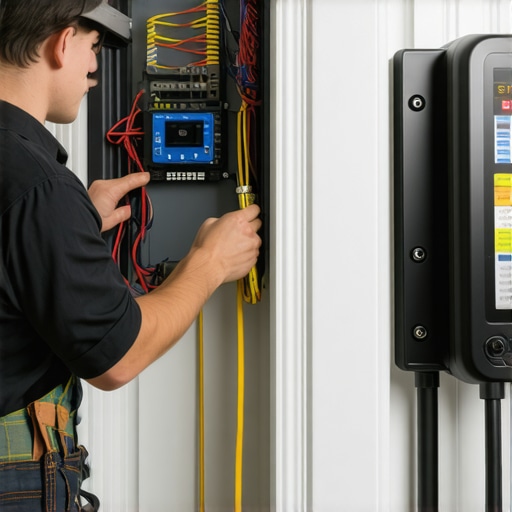

Affordable Electrical: Expert Panel Upgrades & EV Charger Code Compliance Tips
Discovering the Value of Affordable Electrical Upgrades
I’ll never forget the day I decided to upgrade my home’s electrical panel. It was during a major EV charger installation, and I realized how crucial a reliable, code-compliant electrical system is. As an enthusiast of sustainable living, I wanted to ensure my electric vehicle (EV) charging setup was both safe and budget-friendly. That experience sparked my interest in affordable electrical solutions, especially panel upgrades and proper code adherence.
Why I Chose Expert Panel Upgrades for My EV Setup
When I first researched panel upgrades, I was overwhelmed by the technical jargon and safety standards. But I learned that a professional upgrade isn’t just about capacity; it’s about ensuring safety and compliance. I found that expert panel upgrades can significantly enhance your home’s electrical performance while keeping costs reasonable. Plus, a properly upgraded panel supports future expansion, like adding more EV chargers or solar integrations.
What I Learned About EV Charger Code Compliance
One thing I didn’t want was to run into issues with local authorities or insurance companies. Ensuring my EV charger met all code compliance standards was essential. I discovered that proper installation and adherence to electrical codes not only keep my family safe but also prevent costly fines or safety hazards down the line. It’s fascinating how following regulations, like those outlined by the National Electrical Code, can make a big difference in the longevity and safety of your setup.
How Do I Verify Code Compliance for My EV Charger?
Verifying compliance can seem daunting, but I found some straightforward steps. First, always work with licensed electricians who are familiar with local codes. Then, I checked out resources such as these guidelines that walk you through the process. Ensuring your installation adheres to local electrical codes is vital for safety and future-proofing your home. Trust me, it’s worth the extra effort to get everything done right.
What are the common pitfalls when upgrading panels or installing EV chargers?
In my experience, common pitfalls include underestimating power requirements or neglecting code updates. Sometimes, DIY efforts can overlook critical safety steps, leading to problems later. That’s why consulting with professionals and ensuring your setup is compliant from the start is the best approach. If you’re curious about troubleshooting or need expert advice, I recommend checking out these troubleshooting tips.
If you’re planning similar upgrades, I encourage you to share your experiences or ask questions in the comments. It’s always rewarding to connect with others navigating the same journey toward safe, affordable, and efficient home electrical systems.
Deep Dive into Electrical Code Compliance for Safe EV Charging Installations
Understanding and adhering to electrical codes is fundamental for homeowners investing in EV chargers. Not only does compliance ensure safety, but it also protects your investment and maintains insurance validity. Regulations such as the National Electrical Code (NEC) specify requirements for wiring, grounding, and circuit capacity, which are critical during installation or upgrades. For instance, NEC 625.45 mandates dedicated circuits for EV chargers, emphasizing the importance of proper circuit separation for safety and performance. To navigate these regulations effectively, consulting resources like professional guidelines is invaluable. An expert electrician can help verify your setup meets all local and national standards, making your home safer and compliant.
What Are the Key Considerations When Upgrading Your Electrical Panel for EV Charging?
Upgrading your electrical panel is more than just increasing capacity; it’s about future-proofing your home. A professional panel upgrade ensures your system can handle higher loads safely, especially when multiple EV chargers or solar systems are involved. Consider factors like current panel capacity, wiring integrity, and the availability of space for new breakers. For example, a panel upgrade might involve adding a subpanel or replacing the main panel to meet increased demands. I recommend reviewing these expert tips to understand the process better. Properly upgrading your panel not only boosts performance but also aligns with safety standards and code requirements, preventing potential hazards down the line.
How Can I Verify That My EV Charger Installation Meets All Safety and Code Standards?
Verifying compliance involves multiple steps, from selecting licensed electricians to thorough inspections. It’s essential to work with professionals experienced in EV charger installations who understand local codes and regulations. Once installed, you can request a formal inspection or review documentation to confirm adherence. Additionally, resources like these guidelines provide a practical checklist to ensure your setup is compliant. Remember, a compliant installation isn’t just about avoiding fines; it’s about safeguarding your home and loved ones from electrical hazards. Consulting with experts ensures your system is both safe and efficient, adhering to the latest safety standards.
What Challenges Might Arise During Electrical System Upgrades, and How Can Experts Address Them?
Common challenges include underestimating load requirements, incompatible wiring, or outdated panels that don’t meet current standards. DIY efforts can sometimes overlook critical safety aspects, leading to potential failures or code violations. Experts address these issues by conducting comprehensive assessments and employing advanced diagnostic tools. They also stay updated with evolving regulations, such as recent code changes in 2024, which might introduce stricter requirements for grounding or circuit protection. If you’re interested in troubleshooting or avoiding common pitfalls, I recommend exploring these troubleshooting tips. Working with professionals not only ensures compliance but also optimizes your system’s performance and longevity.
For those planning future upgrades or seeking expert assistance, don’t hesitate to reach out through our contact page. Sharing your experiences or questions can lead to valuable insights and a safer, more reliable home electrical system.
Balancing Safety and Innovation: My Personal Journey with Panel Upgrades and Code Compliance
Over the years, my journey into home electrical upgrades has been both challenging and rewarding. I’ve learned that beyond simply increasing capacity or installing an EV charger, understanding the intricate details of electrical code compliance is vital for long-term safety and efficiency. When I first considered upgrading my panel, I was eager to support my growing EV charging needs, but I soon realized that the real challenge was ensuring every step adhered to strict standards — a process that demanded both technical knowledge and a cautious approach.
Why Deep Dive into Code Regulations Is Worth It
It’s tempting to think that a quick DIY upgrade can suffice, especially when local regulations seem complex or overwhelming. However, I discovered that even minor oversights, like neglecting proper grounding or underestimating circuit load, can lead to serious safety hazards. The National Electrical Code (NEC), especially sections like NEC 625.45, provides clear guidance on dedicated circuits for EV chargers, emphasizing that adherence isn’t just bureaucratic red tape — it’s about safeguarding my family and property. Consulting authoritative sources such as these detailed guidelines helped me appreciate the nuances that can make or break a safe installation.
How Do Advanced Upgrades Challenge Traditional Thinking?
Upgrading a panel isn’t just about capacity; it involves rethinking the entire electrical infrastructure of a home. For instance, I had to consider future-proofing—anticipating additional EV chargers, solar integrations, or even home automation systems. A simple capacity increase might not suffice if wiring or grounding aren’t upgraded simultaneously. I found that engaging with professionals who understand recent code updates in 2024—such as stricter grounding or circuit protection requirements—can prevent costly revisions later. To deepen my understanding, I revisited these expert tips, which clarified the importance of comprehensive planning in panel upgrades.
What Are the Nuances of Ensuring Long-Term Compliance and Safety?
One of the most valuable lessons I learned was that compliance is an ongoing process, not a one-time checklist. Periodic inspections, updates to safety standards, and staying informed about local amendments are essential. For example, recent changes in 2024 have introduced new grounding protocols that I had to incorporate into my setup. My approach involved detailed documentation and working closely with licensed electricians to verify every aspect of the installation—something I highly recommend. For those interested, these troubleshooting resources can help identify common pitfalls and ensure your system remains compliant over time.
How Can You Build Confidence in Your Electrical Projects?
Building confidence starts with education and partnership. I found that asking questions, seeking second opinions, and referencing authoritative sources like the NEC or reputable electrical guidelines provided peace of mind. Sharing experiences and challenges with others—whether through online forums or professional consultations—can also be invaluable. If you’re contemplating your own upgrades, I encourage you to explore our contact page for expert advice tailored to your specific needs. Remember, safety and compliance are investments that pay off in peace of mind and long-term savings—so don’t shy away from deepening your understanding and asking for help when needed.
Integrating Smart Home Systems within Electrical Upgrades
As I progressed with my electrical upgrades, I realized that integrating smart home technology added another layer of complexity and opportunity. Proper panel upgrades facilitate seamless integration of smart systems, enabling remote monitoring, automated load management, and enhanced safety features. I learned that ensuring your electrical infrastructure can support devices like smart meters, automated breakers, and energy management systems requires careful planning and adherence to evolving standards. For example, using dedicated circuits for smart devices and employing surge protection can prevent damage during power fluctuations. Consulting resources such as expert guidelines helps ensure that your smart integrations do not compromise safety or code compliance.
What Are the Nuances of Upgrading Grounding and Bonding for Long-Term Safety?
One of the critical yet often overlooked aspects of electrical upgrades is grounding and bonding. During my own journey, I discovered that modern codes, especially in 2024, emphasize robust grounding practices to prevent electrical shock hazards and improve system stability. Upgrading grounding systems entails installing grounding rods, ensuring proper conductor sizes, and using corrosion-resistant materials. Bonding all metallic parts, including panels, conduit, and grounding electrodes, creates a unified system that minimizes potential differences. I found that working with a knowledgeable electrician who stays updated with latest grounding standards is essential to avoid costly rework and ensure compliance. Proper grounding not only enhances safety but also improves the longevity and reliability of your electrical system.
How Can Advanced Diagnostic Tools Elevate Your Electrical System’s Reliability?
Throughout my upgrades, I became increasingly reliant on sophisticated diagnostic tools. Devices like clamp meters, insulation testers, and circuit analyzers provide real-time insights into current flow, wiring integrity, and potential faults. These tools enable proactive maintenance and precise troubleshooting, reducing downtime and preventing hazards. For instance, when I experienced intermittent charging issues with my EV, a detailed diagnostic revealed underlying wiring corrosion that would have otherwise gone unnoticed. Leveraging these tools, supported by guidance from expert troubleshooting resources, empowers homeowners to maintain safe and efficient systems long after initial upgrades. I highly recommend integrating diagnostic practices into your regular electrical assessments to stay ahead of potential issues.
How Do Updated Building Codes Influence Your Long-Term Electrical Strategy?
Keeping abreast of the latest building codes is vital for future-proofing your home’s electrical infrastructure. I found that recent amendments—like those in 2024—introduce stricter requirements for circuit protection, energy efficiency, and safety protocols. Understanding these regulations helps in planning upgrades that remain compliant over time, avoiding costly re-inspections or modifications. For example, new requirements for AFCI (Arc-Fault Circuit Interrupters) and GFCI (Ground Fault Circuit Interrupters) in specific areas influence breaker choices and wiring layouts. Engaging with authoritative sources such as these comprehensive guidelines ensures your electrical system aligns with current standards, providing peace of mind and long-term safety.
Interested in Elevating Your Home’s Electrical Resilience?
If you’re eager to delve into more advanced strategies for electrical safety, or if you want personalized advice on integrating new technologies while maintaining code compliance, I invite you to connect with me. Sharing our experiences and insights can lead to innovative solutions that enhance safety, efficiency, and sustainability in our homes. Visit our contact page to start a conversation or explore tailored recommendations. Remember, investing in knowledge and professional guidance today ensures a safer, more reliable electrical future for your home and loved ones.”,
Things I Wish I Knew Earlier (or You Might Find Surprising)
Hidden Power of Proper Grounding
When I first upgraded my electrical panel, I underestimated how crucial grounding is. It’s not just a safety checkbox; it’s the foundation that prevents shocks and system failures. I learned this the hard way when a minor oversight caused intermittent charging issues, which a professional quickly resolved by properly grounding the system. Trust me, investing time in understanding grounding standards like NEC 250 can save you headaches later.
The True Cost of DIY Upgrades
I was tempted to handle some upgrades myself to save money, but I soon realized that code compliance and safety are best left to licensed electricians. DIY attempts might seem affordable initially but can lead to costly rework or even safety hazards. I now recommend consulting experts—especially for panel upgrades or EV charger installations—to ensure everything is done to code and safely.
Future-Proofing Your Electrical System
Thinking ahead about future tech, like additional EV chargers or solar panels, is vital. I initially upgraded just for my current needs, but later found that planning for expansion saved me from another costly upgrade down the line. A comprehensive assessment with a professional can help you identify capacity gaps and plan accordingly, as outlined in resources like these expert tips.
Code Compliance Isn’t Just Red Tape
Understanding local electrical codes, such as NEC 625.45 for dedicated EV circuits, made me realize how vital compliance is for safety and insurance. Regulations are designed to protect homeowners, and working with knowledgeable electricians ensures your setup meets all standards. It’s an investment in peace of mind that pays off long-term.
Diagnostic Tools Are Game Changers
Using advanced diagnostic tools like circuit analyzers transformed my maintenance routine. They help detect issues early, like wiring corrosion or overloads, preventing bigger problems. I highly recommend homeowners incorporate these tools into their regular checkups, supported by guidance from these troubleshooting tips.
Resources I’ve Come to Trust Over Time
- National Electrical Code (NEC): The definitive standard for electrical safety and installation practices. It’s essential for understanding what’s required for safe upgrades.
- Bright Spark Electric Blog: A resource that offers clear, practical advice on EV charger safety, code compliance, and electrical panel upgrades. I refer to it regularly for insights and updates.
- Local Electrical Codes and Regulations: Always check your local amendments and regulations, as they can differ from national standards but are equally important for compliance and safety.
Parting Thoughts from My Perspective
Embarking on electrical upgrades for safe EV charging has been an eye-opening journey. The most valuable takeaway is that safety and compliance aren’t just bureaucratic hurdles—they’re the backbone of a reliable, future-ready home. Proper grounding, understanding code requirements, and consulting experienced professionals have given me peace of mind and long-term savings. If you’re considering similar upgrades, I encourage you to educate yourself and seek expert help—your home and loved ones will thank you. If this resonated with you, I’d love to hear your thoughts or experiences—feel free to share in the comments or reach out through our contact page. Together, we can build safer, smarter homes for the future.