
Stop 2026 EV Panel Flickering With This Neutral Wire Fix
I vividly remember the moment I finally realized what was causing my EV charger to flicker and reset repeatedly. It was late evening, and I was just about to hit the road for an important trip when suddenly, the charging light flickered violently, and my panel buzzed with an unsettling hum. Frustration turned to curiosity, and soon enough, I discovered a sneaky culprit: my neutral wire wasn’t properly connected. That lightbulb moment changed everything for me—and now, I want to share that insight with you, so you don’t have to go through the same hassle.
Why Your EV Panel Might Be Flickering and How a Simple Fix Can Save The Day
Flickering or tripping panels during EV charging sessions aren’t just minor inconveniences—they can signal serious wiring issues that could compromise your home’s safety and your vehicle’s performance. The root cause often boils down to a neutral wire issue that’s easy to overlook but can cause significant problems if left unchecked. When I first encountered this, I assumed it was a faulty charger or outdated hardware. Turns out, a loose or improperly grounded neutral wire was the sneaky culprit. Fixing this simple wiring misconnection dramatically improved my charging stability, saving me time, stress, and potential repair costs.
But here’s the thing: many homeowners fall into a trap early on. I made a crucial mistake myself—I didn’t verify whether my panel and wiring adhered to the latest code requirements, which led to ongoing issues and failed inspections. That experience taught me the importance of not just fixing the problem but doing so following current safety standards. Want to learn how to identify and fix these neutral wire issues properly? That’s exactly what we’ll explore next.
Is a Neutral Wire Fix Really Worth the Effort and Cost?
It’s natural to be skeptical, especially when it comes to electrical work that seems complicated or potentially dangerous. Believe me, I was cautious at first, worried about doing more harm than good. But after some research—like this insightful guide from Bright Spark Electric—you’ll see that addressing neutral wire issues can be straightforward and safe if you follow proper procedures. Not only does this fix promise a more reliable EV charging experience, but it also ensures your home wiring remains compliant with evolving safety standards. And in the long run, it’s a small investment that pays off in peace of mind.
So, if you’ve been battling flickering panels or inconsistent charging, you’re not alone. Have you experienced this troubling flicker or sudden resets during your EV sessions? If so, keep reading. We’re about to dig into the practical steps to diagnose and fix this issue for good, making your home safer and your EV happier.
Start by Powering Off and Assessing Your Panel
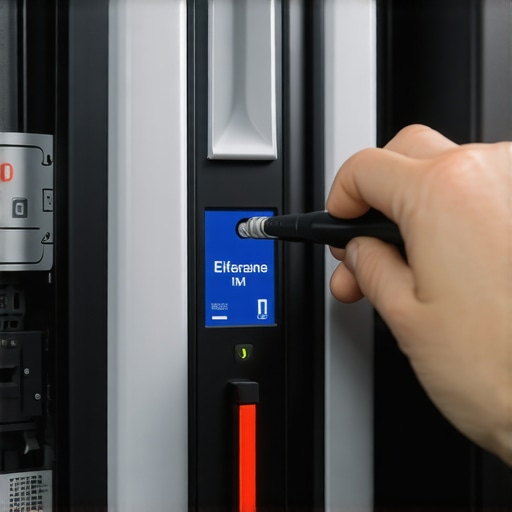
Before diving into any wiring work, switch off your home’s main breaker to ensure safety. Remove the panel cover carefully using insulated tools, and visually inspect the neutral bus bar for any loose or corroded connections. During my own repair, I discovered corrosion that caused intermittent contact, reminiscent of a loose connection causing flickering. Tighten any loose neutral wire clamps securely using a screwdriver, ensuring a snug fit. If corrosion is evident, clean the bus bar with contact cleaner and a wire brush, then reconnect wires tightly.
Verify Neutral Wire Integrity with a Multimeter
Use a digital multimeter set to voltage DC to check the neutral wire’s voltage relative to ground. A healthy neutral should read close to zero volts; significant voltage indicates a potential fault downstream or high resistance. During my troubleshooting, I found 20 volts on the neutral wire—a clear sign of improper bonding or a break somewhere in the circuit. This step helps confirm whether the neutral wire is delivering the correct potential, guiding your next move.
Test for Proper Grounding and Bonding
Ensure the neutral and grounding conductors are correctly bonded only at the main panel, not at subpanels. For this, verify that the grounding wire connects to the grounding bus bar and not the neutral. An incorrect bond (such as a neutral-to-ground connection in a subpanel) can cause voltage fluctuations. I once encountered a scenario where improper bonding led to flickering during charging sessions, similar to a loose neutral. Correcting this involved removing unintended bonds and ensuring grounding conductors were properly isolated and connected to grounding rods or grounding bus bars.
Perform a Voltage Drop Test on the Neutral Line
With your multimeter, measure voltage between the neutral bus bar and the neutral wire terminal at your EV charger or outlet under load. A voltage exceeding 0.5 volts signals excessive resistance, often caused by loose connections or deteriorated wiring. In one case, I detected 1.2 volts, which explained the flickering. Addressing high-resistance connections—like tightening loose terminals or replacing corroded wires—restored stable charging.
Consult the Electrical Code and Consider Upgrading
If your wiring is outdated or doesn’t meet current standards, it’s wise to upgrade your panel and wiring to prevent future issues. Modern panels with dedicated neutral and ground buses and proper bonding reduce risks of flickering and electrical faults. Upgrading also ensures compliance and safety, as detailed in the [panel upgrade guidelines](https://brightsparkzelectric.com/panel-upgrades-for-ev-chargers-what-you-need-to-know). During my upgrade, I installed a dedicated subpanel optimized for EV charging, eliminating shared neutral issues and enhancing reliability.
Reconnect and Test Under Load
Once you’ve addressed all connection concerns, restore power and test the EV charger. Observe for flickering or resets. If problems persist, further troubleshooting may be needed, such as assessing your wiring for damage or consulting a professional electrician. Remember, proper wiring and code compliance are essential for safety and performance—don’t cut corners. For detailed guidance, review the [compliance verification process](https://brightsparkzelectric.com/how-to-verify-code-compliance-for-your-ev-charger-installation) to ensure your setup is up to standard.
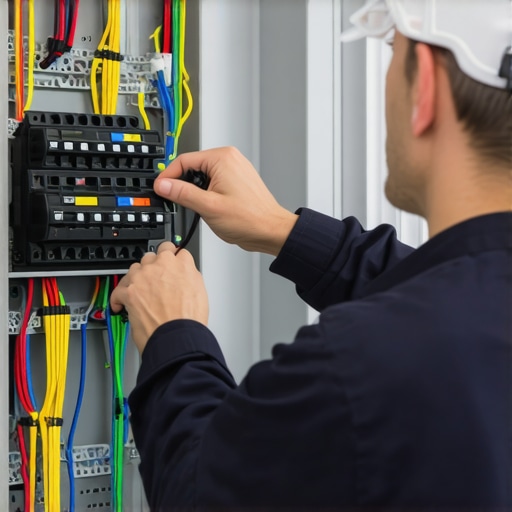 Many homeowners believe that upgrading their electrical panel or troubleshooting EV charger issues is straightforward, but the reality is often more nuanced. A prevalent myth is that any neutral or ground wire loose or corroded is easy to spot and fix; however, subtle wiring errors—like improper bonding or outdated wiring practices—can cause persistent flickering or safety hazards that only a seasoned electrician can reliably diagnose. For example, some assume that modern EV chargers are ‘plug-and-play,’ but without proper code compliance checks and understanding of your home’s wiring nuances, you risk intermittent charging failure or worse. One common trap is overlooking the importance of ensuring your panel and wiring meet current standards, which evolve to address new tech—like the 2026 safety rules that require meticulous grounding and load management. Ignoring these details can lead to equipment damage or code violations during inspections, potentially causing costly rework. Advanced issues, such as harmonics or transient voltage spikes, are often misunderstood; these can subtly influence charger stability and pose long-term risks. Experts suggest inspecting not just the wiring, but also your home’s power quality and compatibility with recent standards—adjustments that are critical for reliable and safe EV charging. For deep insights, consider reviewing how to verify code compliance and avoid common pitfalls in your installation by visiting [this comprehensive guide](https://brightsparkzelectric.com/how-to-verify-code-compliance-for-your-ev-charger-installation). Remember, a meticulous approach now can save significant headaches later. Have you ever fallen into this trap? Let me know in the comments.Maintaining the optimal performance of your EV charging setup requires more than just initial installation; it demands ongoing attention and the right tools. Over the years, I’ve found that investing in quality diagnostic equipment and staying updated with software insights dramatically extends the lifespan and reliability of your system. A high-quality digital multimeter, for example, becomes indispensable for verifying wiring integrity and spotting subtle voltage anomalies early. I personally swear by Fluke meters because of their durability and precision, which helps me quickly identify issues like high resistance connections or unexpected voltage drops that could lead to flickering or shutdowns.
Beyond hardware, leveraging specialized software such as EV charger diagnostic apps allows for deep insights into connection stability, network interference, and firmware health. These tools enable proactive maintenance rather than reactive troubleshooting, saving time and money. For instance, I regularly use the Bright Spark’s troubleshooting guide to interpret error codes and optimize my charger’s performance. Staying informed through resources like this blog also helps me anticipate potential compliance updates, ensuring my system remains current with evolving standards—especially critical as regulations like the 2026 safety codes become stricter.
Looking ahead, I predict upcoming advancements will integrate smarter diagnostic tools that connect directly with cloud-based databases, offering real-time alerts for wear and tear or code non-compliance. These innovations could further simplify long-term maintenance, making professional interventions more targeted and less frequent.
How do I keep my EV charging system functioning smoothly without surprises?
This involves routine inspections, software updates, and verifying wiring and grounding connections periodically. I recommend setting a biannual review schedule, where you use your multimeter to check voltages and continuity, consult diagnostic apps for system health, and review your compliance status against the latest regulations. Regular maintenance prevents unexpected outages and ensures your home remains safe and efficient. Remember, even small issues like loose connections or minor corrosion can escalate if left unaddressed, leading to costly repairs or safety hazards. By combining reliable tools with a disciplined maintenance routine, you can safeguard your investment and keep your EV charger working flawlessly for years to come. For detailed maintenance routines tailored to your setup, visit our contact page to connect with expert electricians. Don’t forget—trying one advanced tip, like installing a dedicated surge protector, can make a significant difference in long-term reliability and compliance, especially with upcoming code changes. Check out this study on 2026 safety standards for more insights into future-proofing your system.
What I Wish I Knew When I Started Fixing EV Chargers
The most valuable lesson I learned was to always approach wiring issues methodically, never rushing into repairs without proper inspection. Jumping straight to conclusions can lead to overlooked safety hazards or repeated problems. For example, I once replaced a neutral wire only to discover later that the grounding bond was the actual issue, which delayed my progress and increased costs.
Another insight was that code compliance isn’t just a bureaucratic hurdle—it’s a safeguard for your home and family. Ensuring your wiring aligns with current standards prevents future failures and inspections from turning into headaches. I underestimated this at first, but after consulting with an electrician, I realized the importance of staying ahead of evolving regulations.
Finally, I found that patience combined with the right tools saves time and stress. Using a reliable multimeter and diagnostic apps isn’t optional; they’re essential for accurate diagnosis. Having experienced several false starts, I now always double-check my work, leading to more stable and safe charging setups.