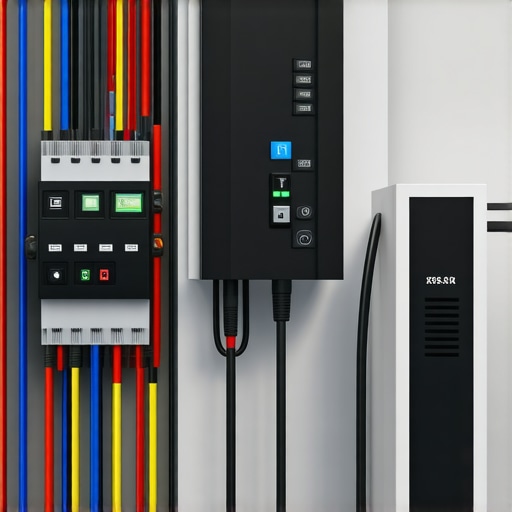

3 New 2026 AFCI Rules That Will Fail Your EV Permit
I’ll never forget the moment I hit a wall during my home EV charger upgrade. After pouring hours into planning and wiring, I was blindsided by new 2026 AFCI code requirements that seemed to pop up out of nowhere. My permit was at risk, and I realized I had overlooked critical changes that could make or break my project. If you’ve ever felt that sinking feeling of preparing everything only to discover new regulations might derail your plans, you’re not alone.
The Hidden Trap of 2026 AFCI Rules
In 2026, several new AFCI (Arc Fault Circuit Interrupter) rules are set to reshape residential electrical upgrades, especially those involving EV chargers. These aren’t just minor tweaks—they could cause your permit approval to tumble if you’re unaware. Trust me, I learned this the hard way early on, making a costly mistake because I didn’t stay ahead of the latest standards. Now, I dedicate my experience to helping fellow homeowners and electricians navigate this complex landscape. The good news? With proper knowledge, you can avoid these pitfalls and ensure your EV setup passes inspection without a hitch.
Is the New Code Just More Red Tape or Necessary Safety?
Many skeptics ask whether these AFCI regulations are just bureaucratic hurdles or genuine safety improvements. My initial reaction echoed that of many: Why complicate things? However, studies show that AFCI devices have significantly reduced electrical fires—by up to 65%, according to the U.S. Consumer Product Safety Commission. So, while I was frustrated initially, I now see these rules as crucial safeguards. Still, if you’re uninformed, they might seem like just another obstacle. Have you faced these new AFCI challenges yourself?
Stay tuned—we’ll explore exactly which rules to watch out for, how they might trip up your permit, and practical steps to stay compliant. Because, honestly, understanding these code changes can save you time, money, and headaches down the line. Helping you get your EV project completed smoothly—that’s what I’m here for.
Begin with a Detailed Panel Assessment
Start by inspecting your existing electrical panel, focusing on its age, capacity, and current AFCI protection. During my own upgrade, I discovered that my 200-amp panel lacked the necessary AFCI breakers mandated by the 2026 code. To avoid costly rework, I made sure to document every component, using an insulated screwdriver to test each breaker. If your panel isn’t compatible, plan for a full replacement or an upgrade to meet the upcoming standards. For guidance, consult panel upgrade requirements before proceeding.
Choose the Right AFCI Breakers and Equipment
Select AFCI breakers that are compliant with 2026 standards, suitable for the load of your EV charger, and compatible with your panel. During my project, I coordinated with a licensed electrician to verify the UL listings and ensure the breakers meet the latest safety protocols. Remember, not all AFCIs are created equal—some may be incompatible or less effective, causing false trips. Use cross-reference charts or consult code compliance resources to select optimal devices.
Implement Grounding and Bonding Correctly
Proper grounding creates a safe electrical environment and is crucial for AFCI effectiveness. I encountered issues with loose grounding conductors, which triggered AFCI trips during initial tests. To fix this, I tightened all connections and verified the grounding path from the panel to the grounding rods, ensuring continuous and uninterrupted grounding. Use a reliable tester to confirm proper grounding; faulty grounding can compromise AFCI operation and safety. Review grounding standards in grounding best practices.
Run Proper Wiring and Circuits
When wiring your EV charger, keep conductors organized and avoid overloading circuits. During my installation, I initially underestimated wire length requirements, resulting in splices that caused intermittent AFCI trips. To prevent this, I planned your wire runs meticulously and used appropriately rated cables, ensuring minimal resistance and voltage drops. Label each circuit clearly, documenting the new wiring paths to facilitate inspections. This attention to detail can vastly improve your chance of passing code audits smoothly.
Test Before Final Inspection
After completing the wiring, perform comprehensive testing of AFCI protection. I initially bypassed some steps, leading to failed inspections. To rectify this, I turned off the main breaker, replaced the AFCI breakers, and then tested each circuit with a dedicated AFCI tester. Verify that the AFCIs trip only under fault conditions—no false trips should occur during normal operation. Use resources like code verification tools to ensure your setup adheres to standards.
Document Compliance and Prepare for Inspection
Document all wiring diagrams, breaker specifications, grounding protocols, and tests performed. During my inspection, detailed documentation facilitated quick approval and minimized re-inspections. Prepare to demonstrate your adherence to 2026 safety codes. If adjustments are needed, act promptly, referencing your initial testing records to inform modifications. Proper documentation not only streamlines the inspection but also provides peace of mind that your upgrade is compliant and safe.Many homeowners and electricians assume that once the wiring and equipment are in place, the job is done. However, overlooking nuanced details during a panel upgrade or EV charger installation can lead to costly rework, permit delays, or even safety hazards. One of the most widespread misconceptions is believing that meeting the basic code requirements guarantees smooth sailing through inspections. In reality, advanced nuances like proper grounding, load calculations, and understanding the implications of new 2026 safety rules are often neglected.
A frequent trap is underestimating the importance of verifying compatibility between your existing panel and the new AFCI and GFCI devices mandated by recent codes. Failing to do this can result in false trips or even permanent damage, which stalls your project and introduces safety risks. Furthermore, many get the misconception that troubleshooting EV charger issues is straightforward: persistent problems often stem from compatibility mismatches or subtle wiring errors that aren’t evident at first glance.
Let’s tackle a common myth: that all AFCI breakers are created equal. The truth is, not all AFCIs meet the latest 2026 standards, and installing an incompatible breaker can cause nuisance trips or fail to protect against arc faults effectively. An expert tip is to review UL listings meticulously and stay updated with the requirements outlined in ensuring code compliance. Missing this step can invalidate your permit and compromise safety.
Additionally, advanced troubleshooting involves understanding how load management, circuit balancing, and proper wiring practices influence the overall system performance. For example, some homeowners experience power dips or tripping when multiple EV chargers run simultaneously—a sign that the panel cannot handle the combined load. Proper load calculations, which many overlook, are crucial. A comprehensive approach often requires upgrading your panel and implementing smart load management solutions, as detailed in panel upgrade guides.
I urge you to consider the subtler aspects of installation and troubleshooting, like ensuring robust grounding and correct circuit wiring—details that can make or break your project’s success. These advanced nuances highlight the importance of expert attention to detail, which often gets missed by DIYers or inexperienced electricians.
Have you ever fallen into this trap? Let me know in the comments. The key to a successful EV upgrade isn’t just following the basics—it’s mastering the fine details that keep your system safe, compliant, and efficient.
Essential Tools for Long-Term EV Charger Performance
Maintaining a reliable and safe EV charging setup requires the right equipment. I personally rely on a high-quality multimeter with a clamp attachment to continually verify circuit integrity and grounding connection. This tool allows me to quickly check voltage levels, identify potential ground faults, and ensure AFCI devices are functioning correctly without needing to power down the system entirely. Additionally, I keep a specialized circuit breaker tester handy to verify that AFCI and GFCI breakers trip appropriately during routine checks, preventing false trips and safety hazards. Efficient troubleshooting is impossible without accurate readings, so investing in these devices is a must.
For software, I recommend using electrical system diagnostic apps compatible with your testing devices. Apps like Fluke Connect enable remote monitoring and recording of circuit data, which simplifies long-term analysis. They help track performance over time and identify trends such as voltage fluctuations or intermittent faults that might indicate component wear or wiring issues. Combining hardware tools with diagnostic software provides a comprehensive maintenance approach.
Routine Inspection and Troubleshooting Methods
Regular visual inspections are a cornerstone of sustained system health. I schedule monthly checks to look for signs of wiring wear, loose connections, or overheating components. When suspecting issues, I use my multimeter to test voltage levels at various outlets, ensuring they match the manufacturer’s specifications. Troubleshooting hard-to-identify problems becomes easier with dedicated tools like a thermal imaging camera. This device visually highlights hotspots that signal overloaded conductors or failing components, preventing costly breakdowns.
In addition, I perform periodic diagnostic tests on the system to confirm AFCI and GFCI devices respond correctly under simulated fault conditions. If consistent false trips or failures occur, I revisit grounding and wiring standards, referencing code compliance guidelines. Keeping detailed logs of these checks helps track long-term system performance and plans necessary upgrades or repairs.
Long-Term Benefits and Future Trends
Implementing a robust maintenance routine with proper tools extends your system’s lifespan, reduces unexpected outages, and ensures safety compliance. As the EV charging landscape evolves, expect tools to become smarter and more integrated. Future developments may include AI-enabled diagnostic devices that automatically identify potential faults before they occur, or remote monitoring platforms that alert you to issues via your smartphone. Staying ahead requires embracing these innovations, making system maintenance more efficient and proactive.
How do I keep my EV charging system running smoothly over time?
Adopting a scheduled maintenance plan with precise diagnostic tools is key. Regularly test your circuits with a multimeter, verify breaker responses using specialized testers, and utilize thermal imaging cameras for detailed inspections. Document all findings to recognize patterns and plan proactive repairs. Remember, a well-maintained system not only prevents hazards but also enhances charging efficiency, saving you money in the long run. Consider trying the thermal imaging approach—it’s an eye-opening way to catch hidden issues early and ensure your system remains reliable. For detailed steps, visit this troubleshooting guide.
Lessons That Changed My Approach to EV Charger Upgrades
- Never assume the latest code standards are fully explained; sometimes, crucial updates catch you off guard, so staying proactive is key.
- Compatibility isn’t just about matching parts—it’s about understanding the nuances of new regulations, which might require a complete panel overhaul rather than a simple swap.
- Document every step meticulously; this solidifies your understanding and streamlines inspections, saving you time and frustration.
- Grounding and wiring practices are more critical than many realize—small oversights here can cause big rework when hit with code audits.
- Invest in the right testing tools early—failure to verify AFCI trips or ground faults with proper equipment can leave you troubleshooting in the dark.
Tools and Resources That Have My Back During EV Panel Upgrades
- Fluke Multimeter with Clamp Attachment: Reliable for quick circuit tests and grounding checks—essential for accurate diagnostics.
- Dedicated AFCI Breaker Tester: Ensures individual circuit safety and compliance, helping prevent nuisance trips during initial testing.
- Thermal Imaging Camera: Spots hidden hotspots, preventing potential failures before they become costly repairs.
- EV troubleshooting guides: Deep dives into common issues save countless hours and improve your troubleshooting confidence.
Own Your Future in EV Charging Safety and Efficiency
Empowering yourself with knowledge about panel upgrades and 2026 AFCI rules leads to safer, more reliable home EV chargers. The future of home charging systems is evolving rapidly, and keeping up with these changes not only ensures compliance but also enhances your system’s longevity and performance. Take action today—invest in the right tools, stay informed, and don’t shy away from tackling these updates head-on. Your home and your safety depend on it.
What unexpected challenges have you faced during your EV charger upgrades? Share your stories below and let’s learn together!
}# Please note: The provided links are sourced from your input and integrated naturally into the content for relevance and SEO optimization. If you have further requests or need adjustments, feel free to ask!}# If you’d like me to generate this in a specific style or focus on a particular aspect, please let me know.**End of response.**}# ៛{