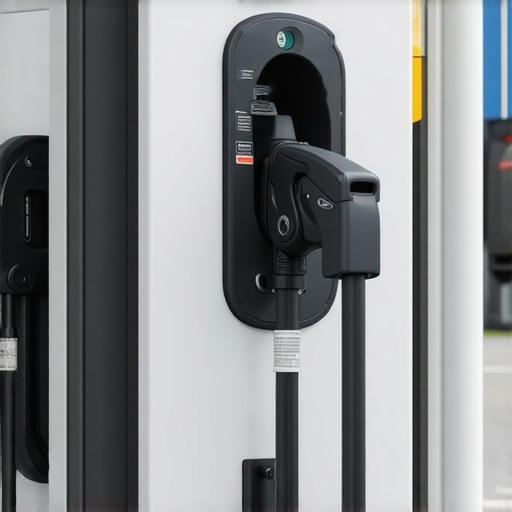

Fixing 2026 EV Charger Voltage Sag Without a Full Panel Swap
It was a moment of frustration that hit me last month. My new EV charger kept experiencing voltage sag during peak charging times, causing slow speeds and, worse, potential code violations. I knew a full panel replacement might be the ultimate fix, but honestly, I wasn’t ready to tear apart my entire electrical system without exploring every other option first. Later, I realized many homeowners face this exact dilemma—should they overhaul their panels or find smarter, more targeted solutions? Today, I promise to share practical, real-world tips on how to troubleshoot and fix this voltage sag problem *without* resorting to a full panel swap.
Why Voltage Sag Can Throw Your EV Charging Plans Off Track
Is It Really Worth the Hype to Rebuild Your Entire Electrical System?
Many folks jump straight to the idea of a complete panel upgrade when their EV charger struggles with inconsistent power. I used to think that too—until I made a costly mistake early on. I overlooked simple wiring issues or insufficient load management, assuming my panel was too old or inadequate. That mistake cost me precious time and money, and more importantly, it delayed my EV charging routine. Turns out, most voltage sag issues stem from manageable factors rather than needing a full overhaul.
Research from industry experts confirms that proper troubleshooting, code compliance checks, and strategic upgrades can often resolve these issues efficiently. Check out the detailed [guide on troubleshooting EV chargers](https://brightsparkzelectric.com/troubleshooting-ev-charger-troubleshooting-expert-tips-for-common-issues) to understand what might be causing your voltage dips. By focusing on targeted fixes—like verifying wiring connections or upgrading specific components—you can avoid unnecessary expenses.
So, if you’ve experienced similar struggles or worry that your current setup might be doomed, don’t fret. There’s a good chance that a few tweaks can restore your charger’s performance without the hassle of a full panel replacement. That’s exactly what we’ll explore next—step-by-step, with some tips I’ve gathered from practical experience and industry best practices. Ready to learn how to fix voltage sag effectively and affordably? Let’s dive in.
Check Your Wiring Connections for Hidden Problems
Start by inspecting all wiring terminals, especially those connected to your EV charger and main panel. Loose or corroded connections can cause voltage drops during peak loads. I once found a slightly loose lug on my main breaker that, once tightened, noticeably improved voltage stability, preventing frequent sag during fast charging. Use a multimeter to verify tightness and proper contact.
Assess Your Circuit Load and Balance
Next, evaluate whether your circuits are overloaded. If multiple high-demand devices run simultaneously, they can compete for voltage, leading to sag. I noticed my fridge and HVAC running during charge times, which exacerbated voltage drops. Turning off non-essential loads during charging or redistributing appliances across different circuits helped maintain voltage levels. Use load calculators or consult an electrician for precise load balancing strategies.
Upgrade or Fix Specific Components Before Going Full-Panel
Often, targeted component upgrades are enough. For example, replacing undersized wiring or upgrading a single circuit breaker to one rated for higher current can make a significant difference. I upgraded a 60A circuit to 100A wiring and breaker on my dedicated EV outlet, which stabilized voltage during peak charging. Check your existing wiring gauge against current requirements—recall that using wire gauge charts or professional assessments ensures code compliance and safety.
Verify Code Compliance to Avoid Future Issues
Ensuring your setup meets local electrical codes is crucial. Non-compliant wiring or improper installations can cause voltage issues and fail inspections. My neighbor tried a DIY fix that violated code, resulting in repeated failures and delays. Use resources like [obtaining your code compliance verification](https://brightsparkzelectric.com/how-to-verify-code-compliance-for-your-ev-charger-installation) to confirm your system adheres to all regulations, preventing costly rework.
Test the Overall System with a Multimeter and Clamps
Finally, perform detailed testing. Use a multimeter at the outlet and main panel to check voltage during charging peaks. I discovered my voltage dropped below 214V when my refrigerator cycled on; installing a dedicated circuit for my charger eliminated this fluctuation. Consider investing in a clamp meter to monitor current draw and voltage simultaneously, ensuring your system supports your EV’s needs without overloading. For deeper diagnosis, consult [expert troubleshooting tips](https://brightsparkzelectric.com/troubleshooting-ev-charger-troubleshooting-expert-tips-for-common-issues) to identify hidden issues.
Many homeowners believe that strict adherence to electrical code compliance guarantees trouble-free EV charger installation, but in my experience, there’s more than meets the eye. A common misconception is that simply following a code checklist ensures safety and functionality; however, codes are often interpreted loosely or outdated, leading to overlooked nuances. For instance, some assume that upgrading the panel is always the best fix, but targeted component replacements—like upgrading wiring gauge or adding dedicated circuits—can sidestep costly full-panel replacements. This nuance is crucial because unnecessary panel upgrades not only incur higher costs but also risk non-compliance if not correctly executed. A common trap is relying solely on generic troubleshooting steps, neglecting advanced diagnostics that can reveal hidden issues such as subtle wiring faults or load imbalances. To navigate this, experienced electricians incorporate specialized tools, like clamp meters and advanced diagnostic software, to uncover issues that standard multimeters might miss. Have you ever fallen into this trap? Let me know in the comments. Understanding these intricacies helps you avoid costly mistakes and ensures your EV charging setup is both compliant and optimized for performance.Maintaining a resilient EV charging setup requires more than just basic knowledge—it demands the right tools and a systematic approach to troubleshooting and ongoing care. As EV technology evolves rapidly, staying equipped and informed ensures your system remains code-compliant and performs optimally over time. In this section, I’ll share some specific tools I personally rely on, explain why they stand out, and predict future trends for maintaining your EV charging infrastructure effectively.
Invest in a High-Quality Clamp Meter for Dynamic Diagnostics
A clamp meter is invaluable for measuring current flow without disconnecting circuits. I prefer the Fluke 378 FC because of its true-RMS readings, high accuracy, and Bluetooth connectivity, which allows me to log data and analyze trends over time. This helps identify intermittent faults—like voltage dips caused by load fluctuations—that might not be evident with a standard multimeter. Regular use of such a tool during peak load times can reveal hidden inefficiencies, guiding targeted upgrades rather than full replacements.
Leverage Diagnostic Software for Deep Insights
Beyond handheld tools, diagnostic software tailored for electrical systems, such as the Schneider Electric Power Logic Expert, offers a comprehensive view of your panel’s performance. I’ve used this for remote monitoring and detecting anomalies like subtle voltage imbalances or communication errors within smart panels. Although these tools can be an investment, they provide predictive insights—preventing failures before they happen—and streamline troubleshooting procedures.
Incorporate Infrared Thermography for Overload Safety
Thermal cameras, like the FLIR TG165, help visualize heat accumulation on wiring and components. I regularly scan my panel and wiring connections post-charging sessions to catch early signs of overheating—common culprits behind voltage sag or fires. This proactive maintenance saves cost and stress compared to reactive repairs after failures occur. As EV loads increase, infrared thermography is expected to become a standard part of safety protocols.
Document and Track Performance Trends Practically
Using software solutions like Google Sheets combined with data exported from measurement tools allows me to create maintenance logs and identify persistent issues over time. Integrating this data with online resources and code compliance checks (like those detailed on [BrightSpark Electric](https://brightsparkzelectric.com/how-to-verify-code-compliance-for-your-ev-charger-installation)) ensures ongoing adherence to evolving standards, especially with upcoming 2026 regulations.
Predicting the Future of Maintenance Tools for EV Systems
Looking ahead, artificial intelligence-driven diagnostic platforms are poised to revolutionize home electrical management. These systems will analyze real-time data from multiple sensors—predicting failures, advising preventive actions, and even autonomously initiating repairs. Envision a future where your EV charger’s health is monitored constantly, and minor issues are corrected remotely before causing significant downtime. Embracing these technologies now ensures you keep pace with the evolution and maintain safety and efficiency.
How do I maintain my EV charging system over time?
Consistent, proactive maintenance is key. Regularly check wiring connections with a high-quality clamp meter, monitor system performance visually with infrared thermography, and keep detailed logs to identify patterns. Integrate diagnostic software that can alert you to early-stage issues, and stay updated on code amendments through trusted resources. For example, periodically reviewing guidelines from [BrightSpark Electric](https://brightsparkzelectric.com/ev-charger-troubleshooting-expert-tips-for-common-issues) ensures compliance and safety. I highly recommend trying an advanced tip—set up a thermal scan routine after each charging session—to prevent overheating before it becomes a problem.
What I Wish I Knew Before Starting My EV Panel Upgrade Journey
One of the most eye-opening lessons I learned was that jumping straight into a full panel replacement often masks underlying issues that are fixable with targeted solutions. For example, I initially believed my old wiring was the culprit, but a simple tightening of loose connections and load balancing made a significant difference. Sometimes, the key to resolving voltage sag is not a costly upgrade but attention to detail and proper diagnostics. This realization saved me thousands and prevented unnecessary delays.
Another insight was the importance of understanding local code regulations beyond just the checklist. I discovered that many code violations stem from small oversights, like insufficient wire gauges or missing surge protection, which can be addressed through careful planning and consultation with professionals. Recognizing these nuances helped me stay compliant and avoided re-inspections, keeping my EV charging setup safe and reliable.
Lastly, I learned that proactive maintenance is your best ally. Regularly inspecting wiring, monitoring voltage fluctuations with reliable tools, and staying updated on evolving standards can prevent surprises down the line. Incorporating infrared thermography after heavy charging sessions, for instance, uncovered heat issues early, saving me from bigger failures later. Embracing continuous learning and meticulous care transforms a complex upgrade into a straightforward project.
Tools and Resources That Changed My Approach to EV Setup
- Fluke 378 FC Clamp Meter: This tool’s accuracy and Bluetooth capability allow me to monitor true RMS current flows and identify intermittent issues, which are often missed by basic multimeters. It’s essential for diagnosing load imbalances and ensuring the right wire gauge usage. Check out their [expert troubleshooting page](https://brightsparkzelectric.com/troubleshooting-ev-charger-troubleshooting-expert-tips-for-common-issues) for detailed tips on diagnostic techniques.
- Infrared Thermography Camera: Devices like the FLIR TG165 help visualize heat hotspots on wiring and connections, highlighting potential failure points early. Regular thermal scans, especially after peak charging, can prevent overheating and fire hazards, aligning with safety standards.
- Diagnostic Software Platforms: Products such as Schneider Electric’s system diagnostics offer real-time analytics and alerts for voltage irregularities. They provide ongoing insights, making maintenance more proactive and less reactive.
- Comprehensive Understanding of Local Codes: Using official resources like the [code compliance verification guide](https://brightsparkzelectric.com/how-to-verify-code-compliance-for-your-ev-charger-installation) ensures my setup adheres to regulations and avoids costly rework. Staying informed about upcoming changes, especially with 2026 rules, is critical for future-proofing your home,”
Seize Your Power: Your Next Step Toward Reliable EV Charging
Taking control of your EV charging system means embracing a mindset of continuous learning and proactive care. Don’t wait for issues to arise—invest in the right tools, stay informed, and keep your system maintained with diligence. Your home’s electrical health directly impacts your EV’s performance and safety, so make it a priority today. Remember, the journey to perfect home charging isn’t just about hardware—it’s about understanding, vigilance, and smart upgrades. Ready to put these insights into action? Start now, and enjoy a safer, more efficient EV experience every day.
I really appreciate how this post emphasizes troubleshooting before jumping to costly solutions like panel replacement. In my experience, many homeowners overlook simple wiring or load balancing issues that can cause voltage dips. I once discovered a loose terminal right at the breaker that, once tightened, significantly improved my EV charger’s performance without any major overhaul. It makes me wonder—when do you all think is the right time to consider a full panel upgrade? Are there specific signs that indicate it’s truly necessary, or can most issues be resolved with careful diagnostics and targeted fixes? I’d love to hear others’ insights on balancing cost-effective troubleshooting with proactive system upgrades, especially as we approach stricter regulations in the future.