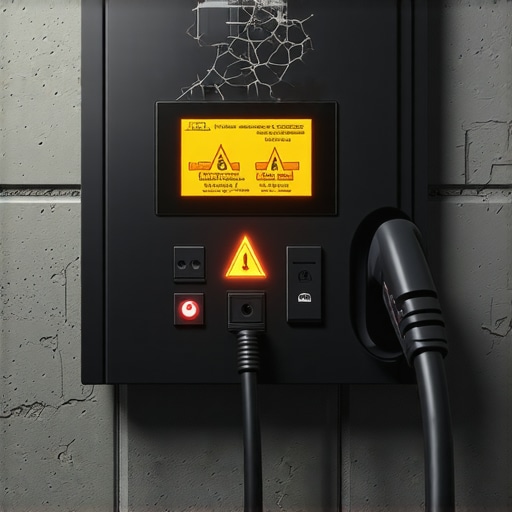

4 Signs Your Home Panel Fails 2026 EV Safety Code
I’ll never forget the moment I plugged in my new EV charger and heard that ominous flicker from my breaker panel. It was like a warning siren I couldn’t ignore. At first, I brushed it off—maybe a loose wire, I thought. But as days went on, small issues snowballed. My charger kept cutting out, and I was left wondering: Am I safe? Is my home ready for the 2026 EV safety rules? Trust me, I’ve been there, and it’s not fun to realize you might be overlooking critical problems until it’s too late.
Why Home Panel Failures Could Cost More Than Just a Charge
The reality is, as EVs become more common, so do the strict safety standards. The 2026 EV safety code is designed to prevent fires, shocks, and system failures—but only if your home’s electrical panel passes muster. Ignoring signs of failure isn’t just risky; it can lead to costly repairs, dangerous hazards, and even failing your inspection. Early detection can save you thousands in the long run, and ensure your charging remains reliable and safe.
Is Your Panel Already Outdated or Overlooking the Signs?
One mistake I made early on was not recognizing the subtle cues my system was giving me. Outdated panels, or improperly upgraded ones, can cause issues with load management or ground faults—things that are legally required to address before installing or running an EV charger. For more insights on compliance, I recommend checking out ensuring code compliance. If you’re unsure whether your panel has what it takes, read on. We’ll dive into clear signs to watch for, so your home stays safe and compliant—and your charger works smoothly. Did you face these problems when trying to upgrade your system? If so, you’re not alone. Let’s explore how to identify these warning signs before they become costly failures.
Assess Your Current Panel’s Capacity and Condition
Start by turning off the main breaker and removing the panel cover carefully. Visually inspect for signs of wear, corrosion, or outdated components, much like checking the foundation of a house before renovations. Confirm if your existing panel can handle the increased load of EV charging; most homes need at least a 200-amp panel to meet the 2026 requirements. If unsure, hire a licensed electrician to perform a load calculation, similar to budgeting for a major home upgrade. Remember, an inadequate panel can cause frequent trips or even fires during high-current draw, so be thorough. I once used a clamp meter to measure the actual current draw during a test charge—my findings revealed my panel was already struggling, prompting me to upgrade before installing the charger.
Upgrade to a Code-Compliant Panel
Replacing or upgrading your panel should adhere strictly to the 2026 standards for safety and functionality. This involves installing a panel with sufficient circuit capacity, proper grounding, surge protection, and AFCI/GFCI breakers where required. Think of this like choosing a sturdy backbone for a building; it needs to support future demands. Consult guidelines for code compliance to ensure your upgrade passes inspection. When I upgraded my panel, I opted for a 200-amp system equipped with arc fault circuit interrupters and surge protection, which not only met regulations but also provided peace of mind against power surges and faults.
Address Hidden Code Violations
Prior to installation, verify that all wiring and components meet the latest rules. Look out for common violations like improper grounding, missing labels, or insufficient wire gauge—these are quick to miss but can cause rejection or unsafe conditions. Use a checklist to ensure compliance, similar to double-checking a recipe before baking. For detailed insights on common pitfalls, see hidden violations checklist. During my recent upgrade, I discovered an ungrounded GFCI outlet in my panel that could have failed inspection; fixing it prevented costly delays.
Implement Proper Grounding and Surge Protection
Grounding is essential for safety—it directs excess current safely into the earth, preventing shocks or fires. Make sure all grounding wires are securely attached to a grounding rod or bus, akin to anchoring a ship. Surge protection devices, especially for EV chargers, are like insurance policies against lightning strikes—they safeguard expensive equipment. When I added surge protection, I noticed my charger operated more reliably, especially during stormy weather.
Complete Inspection and Document Your Work
After upgrades, schedule a thorough inspection by a licensed electrician familiar with 2026 standards. Proper documentation, including receipts and inspection reports, is vital for code compliance and future resale. Think of it as getting a warranty for your work; it ensures accountability and safety. I once had my upgrade inspected, and with all documentation in place, I passed without issues, avoiding potential fines or rework.
Verify System Integration and Compatibility
Finally, confirm that your new panel supports the load management features and smart capabilities required for modern EV chargers. This might involve integrating with a home automation system to optimize charging times, much like scheduling laundry during off-peak hours. Test your system with troubleshooting guides. During my setup, I ran a series of tests to ensure the charger synced properly with my panel’s load management, avoiding unexpected outages or slow charging speeds.
Many homeowners believe that simply installing a new breaker or swapping out their panel guarantees compliance and safety. However, this oversimplification ignores critical nuances that can lead to costly mistakes or safety hazards. In my experience, a frequent misconception is that upgraded panels automatically meet all 2026 safety standards, but in reality, specific requirements like proper grounding, surge protection, and correct wiring methods are often overlooked, leading to potential non-compliance.
Are You Missing the Subtle Signs of Non-Compliance that Could Cost You?
🔍 Even seasoned electricians can overlook hidden violations such as inadequate wire gauge, improper labeling, or overlooked code updates. For example, failing to install AFCI/GFCI protection where mandated isn’t just an oversight—it’s a violation that can cause inspection rejection, as discussed in this detailed guide. Additionally, unexpected issues like ground faults or surge surges often stem from subtle wiring errors, not just equipment failure.
One trap many fall into is relying solely on visual inspection without performing comprehensive load calculations or testing. A common myth is that if the breaker trips rarely, the system is safe. But according to electrical safety experts, such symptoms can mask deeper issues like inadequate grounding or overloads that only become apparent under peak loads or during emergencies. It’s essential to verify your system’s capacity through proper testing and documentation, much like following the detailed protocols outlined in this troubleshooting resource.
Advanced troubleshooting often involves understanding how load management interacts with your home’s wiring. For instance, improperly configured load balancing can cause unexpected trips or voltage drops, leading to underperformance of your EV charger or even safety issues. Experts recommend leveraging smart load management systems that adapt dynamically, a topic covered extensively in this article. Testing and confirming system integration with these technologies is crucial for smooth, safe operation.
Don’t fall into the trap of assuming upgrades are a one-and-done task. Regularly verifying code compliance and system function not only ensures safety but also preserves the longevity of your investment. If you’re unsure whether your system meets all these nuanced requirements, consult with an experienced electrician familiar with 2026 standards. Remember, a comprehensive approach to upgrades and troubleshooting minimizes risks and maximizes efficiency. How about you—have you ever overlooked a subtle detail that caused issues later? Let me know in the comments.
Invest in Diagnostic Tools for Peace of Mind
One of my top recommendations for maintaining a dependable EV charging setup is using a high-quality clamp meter. This device allows you to measure current flow directly at the panel or outlet, helping identify overloads or ground faults before they cause shutdowns. I personally prefer the Fluke 374 FC because it provides true RMS readings and Bluetooth connectivity, enabling me to log data over time and spot patterns that might indicate an emerging issue. Regularly measuring actual load during charging sessions ensures your system remains within safe parameters and can prevent unexpected outages, especially during peak demand periods.
Regular Software Testing and Firmware Updates
Modern EV chargers and smart panels often come with firmware that manages load balancing, Wi-Fi connectivity, and safety protocols. Keeping this software up-to-date is crucial for long-term reliability. I make it a habit to check for firmware updates every few months and perform routine tests using the manufacturer’s app or diagnostic software. This proactive approach can resolve compatibility issues and improve performance, especially as new features roll out and standards evolve. Being vigilant about updates also helps mitigate potential cybersecurity threats, safeguarding your home’s electrical system.
Scheduled Visual Inspections Will Save You Headaches
Beyond tech, mechanical checks are equally important. I recommend quarterly visual inspections of your panel and wiring connections, looking for corrosion, loose terminals, or signs of overheating like discoloration or melting insulation. Addressing these issues early prevents them from escalating into serious safety hazards. Maintaining a detailed log of inspections and repairs aids future troubleshooting and proves invaluable if you ever need to pass a home inspection or ev code audit. Remember, a well-maintained panel is the backbone of reliable EV charging—neglect it at your peril.
Embrace Remote Monitoring to Catch Problems Early
If you’re tech-savvy, installing remote monitoring systems can revolutionize your maintenance routine. Devices like the Sense Energy Monitor or professional-grade load analytics software allow real-time tracking of your home’s electrical consumption and system alerts for anomalies. These tools can notify you immediately if your charger trips unexpectedly or if load profiles deviate from normal operation. This constant vigilance enables swift troubleshooting—saving you time and money—and ensures your system remains compliant with evolving safety standards. With the trend toward smart home integration, leveraging these tools positions you ahead of potential issues.
Anticipate Your Future Needs with Scalable Equipment
Looking ahead, as more EVs enter your household or neighborhood, scalability becomes key. Upgrading to modular panels with flexible circuit configurations makes future expansion or upgrades more manageable. For example, a main panel compatible with additional breakers and integrated surge protection helps avoid costly rewiring later. In my experience, planning for scalability now can prevent significant disruptions and ensure continued code compliance—especially as the 2026 standards demand higher safety and load management features. Consider consulting with a professional to assess your current setup and identify options that grow with your needs.
What do I do to keep my EV system running smoothly over time? Make sure you prioritize regular testing with reliable tools like a clampmeter, stay updated with firmware, perform visual inspections, and adopt remote monitoring solutions. These steps build a robust maintenance routine that reduces downtime and enhances safety, ensuring you get the most out of your investment. For detailed guidance on troubleshooting common issues, visit this troubleshooting resource. Try implementing one of these advanced tips today, and enjoy peace of mind knowing your EV charging system is primed for years to come.
Over the years, I’ve learned that even small oversights during an EV panel upgrade can lead to big headaches—like unexpected code violations or safety hazards. One crucial lesson I discovered is that compliance isn’t just about replacing breakers; it requires a holistic approach that considers grounding, surge protection, and proper wiring. Additionally, trusting visual cues alone can be misleading; always perform load calculations and verify connections with proper tools. If you’re considering upgrading, understanding these nuanced details will save you time, money, and stress in the long run. Remember, the devil is in the details, and being proactive rather than reactive is the key to a safe, compliant EV charging system.