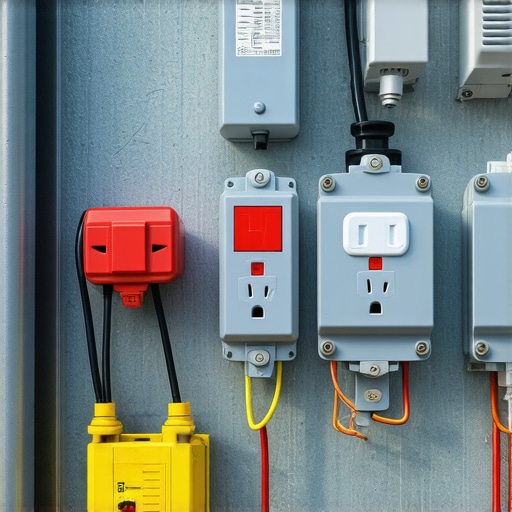

Failed 2026 EV Wiring Audit? 3 Rules for Outdoor Receptacles
It was a chilly Saturday afternoon when I finally faced the harsh reality: my EV charger kept tripping the breaker, and my latest inspection was a disaster. I remember the sinking feeling, realizing that one simple wiring mistake could jeopardize my home’s safety and compliance with the new 2026 regulations. Do you ever find yourself stuck in a similar spot, wondering if your outdoor receptacles are up to code? You’re not alone, and I’ve been there too.
Why Proper Outdoor Receptacle Wiring Matters More Than Ever
As EV adoption accelerates, so do the standards that ensure our homes are safe and ready for this new era of charging technology. The 2026 EV wiring rules aren’t just bureaucratic jargon—they’re crucial for preventing dangerous faults and ensuring your charging station works seamlessly. One overlooked detail can cause failures during inspections, wasting time and money. I learned this the hard way when my outdated outdoor wiring failed inspection, forcing me to revisit the entire setup.
Understanding and following these three key rules for outdoor receptacles can save you frustration and safeguard your property. Let me share what I discovered through my experience and research—so you can avoid the pitfalls I fell into. If you’re tired of dealing with false alarms or failed inspections, stick with me. We’ll cover the essential steps to get your setup compliant and reliable.
Is Your Wiring Up to the 2026 Standards Really Worth the Hassle?
Early on, I made a classic mistake—assuming that just any outdoor outlet would do. That oversight nearly cost me my permit and peace of mind. According to the experts at Bright Sparks Electric, ensuring code compliance isn’t just about passing inspection—it’s about safety and future-proofing your home.
Now, I make it a point to double-check every outdoor receptacle against the newest 2026 rules. If you’re facing similar challenges, don’t worry. There are practical, straightforward steps to confirm your wiring meets the new standards. And that’s exactly what we’ll explore next—to help you confidently navigate the compliance maze and keep your EV charger running smoothly.
Start with a Visual Inspection of Your Wiring
Pull out your outdoor outlet and examine the wiring connections. Look for corrosion, loose wires, or damaged insulation—these common issues can cause breaker trips and fail safety tests. I once found a corroded ground wire that was barely attaching; replacing it immediately solved my tripping problem and improved safety. Make sure to turn off power at the breaker before inspecting.
Verify Your Panel’s Compatibility and Capacity
Next, check if your electrical panel can handle the increased load mandated by 2026 regulations. You might need a panel upgrade, especially if your existing setup is outdated. To prevent surprises, compare your panel’s amperage with the new EV load requirements and consult the experts on panel upgrades. When I upgraded, I opted for a 200-amp panel, which comfortably handled my dual chargers and high-use appliances, avoiding overloads during peak times.
Install a GFCI Protected Outlet
To meet safety standards, your outdoor receptacle must have GFCI protection. This device cuts power instantly if a ground fault occurs—preventing shocks and potential fires. I installed a GFCI outlet and tested it with a dedicated tester, ensuring it tripped correctly when simulated. Proper GFCI installation is crucial and can be confirmed during your inspection.
Ensure Conformance with New Wiring and Grounding Rules
The 2026 codes emphasize proper grounding and wiring methods. Use a grounding rod or metal conduit where specified, and ensure all ground wires are securely connected. A mistake I made was neglecting to install a grounding clamp—adding this component was a simple fix that kept my setup code-compliant and safe. When in doubt, consult the detailed guidelines at code compliance.
Test Your Wiring with a Multimeter and Load Simulator
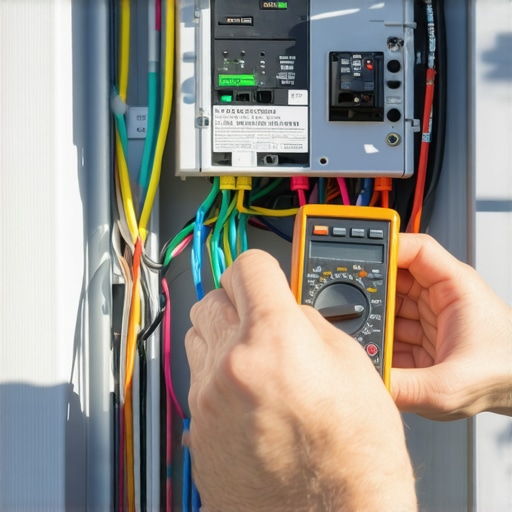
Before finalizing, use a multimeter to verify voltage and correct wiring polarity. Baically, aim for 120V between the hot and neutral, and confirm the ground is continuous. For an additional check, simulate a load comparable to your EV charger. This test helps identify any voltage drops or grounding issues that could trip your breaker under load. During my testing, I noticed a slight voltage drop—replacing a faulty neutral wire restored proper voltage levels and prevented future trips.
Document Your Upgrades and Schedule a Professional Inspection
Keep detailed records of your wiring updates, panel upgrades, and inspections. Submit these documents proactively to your local authorities or inspection agency. During my process, I made a checklist to track each change and scheduled an electrical inspector to review my work, which saved time and avoided re-inspections. If you’re unsure about any step, get a qualified electrician involved—I used this contact for inspection assistance.
 When it comes to troubleshooting EV charging setups and ensuring code compliance, many homeowners fall into common traps rooted in misconceptions about electrical standards and practices. Let’s dig deeper into some nuances that can make or break your installation’s safety and functionality.
One widespread myth is that simply installing a GFCI outlet guarantees compliance and safety. While GFCI protection is essential, relying solely on it without verifying proper wiring methods, grounding, and load calculations can lead to issues during inspections and increase risk. Experts emphasize that GFCI devices must be correctly installed as part of a holistic approach for code adherence.
Another overlooked aspect is the complexity surrounding panel upgrades. Many assume that a higher amperage panel automatically solves load issues for multiple EV chargers, but this can be a dangerous oversimplification. The key lies in detailed load calculations and understanding the home’s total power capacity. An upgraded panel should be paired with proper load management strategies to prevent nuisance trips and ensure long-term reliability through comprehensive planning.
Why Your Troubleshooting Might Fail Even When You Think It’s Correct
This is where many homeowners stumble: assuming that fixing one identified issue will resolve all problems. For instance, replacing a faulty outlet without testing the entire circuit can leave residual faults undetected. Advanced troubleshooting involves multi-step testing, including verifying voltage levels under load, checking wiring continuity, and confirming grounding integrity. Relying solely on visual inspections or single tests risks missing hidden faults that cause intermittent failures. Studies have shown that complex electrical faults often require multiple diagnostic steps for effective resolution.
Furthermore, neglecting the advanced nuances of code compliance, such as proper conduit use or grounding methods, can lead to failed inspections and costly rework. Recognizing these tricky areas requires more than just surface-level knowledge; it demands a detailed understanding of the latest regulations and best practices. Visiting resources like expert tips can illuminate overlooked details.
Have you ever fallen into this trap? Let me know in the comments.
How Do I Maintain My EV Charging Setup Over Time? Stay Ahead with the Right Tools and Routine Checks
Maintaining a reliable EV charging system isn’t a one-time effort; it requires consistent attention and the right equipment. I personally rely on a combination of digital diagnostic tools and detailed inspection routines to keep everything functioning smoothly. A key device I recommend is a quality multimeter with true RMS measurement. This allows me to verify voltage and ground continuity accurately, especially under load conditions, which is crucial when troubleshooting intermittent trips or voltage drops. Additionally, I use a load simulator during assessments to simulate real charging scenarios, helping identify hidden wiring issues or grounding faults that could cause breaker trips over time.
Beyond hardware, software tools have become increasingly valuable. I use specialized electrical testing apps on my smartphone, which interface with portable testing devices, to log data over multiple tests. This helps track voltage stability and detect anomalies that could develop into bigger problems. For example, regular logging can reveal gradual voltage sag, prompting preemptive upgrades before major failures occur, aligning with the future trend of smart, predictive maintenance in home electrical systems.
Regular visual inspections are vital. I schedule a monthly check of outdoor receptacles, ensuring no corrosion or damage. I also verify that GFCI outlets trip correctly by performing a quick test with an outlet tester for safety compliance. When performing these checks, I always turn off the circuit at the breaker before inspecting or replacing components, adhering strictly to safety protocols.
If you’re considering upgrades, ensuring your panel capacity and grounding methods meet the latest code requirements is non-negotiable. Upgrading your panel according to recommendations from this guide can save you from troubleshooting headaches later. Using a professional load calculation tool or consulting with a licensed electrician ensures your system can handle future expansion, such as adding more chargers or integrating solar power, which is a forward-looking trend in EV home setup.
Don’t shy away from testing with load simulators or advanced multimeters regularly; these practices make troubleshooting faster and more precise, ultimately saving you time and money. To get started, I suggest trying a load simulation test once a quarter to verify your system’s robustness—it’s an investment that pays off in long-term reliability and peace of mind.
Remember, documenting your maintenance routine and any upgrades can facilitate quick re-inspections and future troubleshooting. If you encounter persistent issues or want to develop a maintenance plan tailored to your setup, contacting a professional can streamline the process. Reach out at this link for expert advice or assistance.
What I Wish I Knew Before Starting My EV Wiring Project
One of my biggest lightbulb moments was realizing that DIY fixes can’t replace a thorough understanding of local code requirements. Skipping proper grounding or assuming GFCI alone suffices can lead to repeated trips and failed inspections. My advice? Always double-check with current regulations, like these code compliance guidelines, before starting any installation.
The Surprising Complexity Behind Panel Upgrades
I learned that an upgraded panel isn’t just about higher amperage — you need detailed load calculations to match your future expansion plans. Upgrading without assessing your home’s total power demand may still leave you vulnerable to overloads. My recommendation: consult professional panel upgrade resources to plan effectively.
Handling Unexpected Troubles During Troubleshooting
I discovered that relying solely on visual inspections and basic tests isn’t enough; sometimes, subtle wiring faults cause intermittent breaker trips. Using load simulators and advanced multimeters helped me pinpoint issues that simple checks missed. Regularly employing these tools, as described here, can save time and frustration.
My Top Insight for Long-term EV System Reliability
The most valuable lesson was documenting every change and condition. When issues re-emerged after months, having detailed records made troubleshooting straightforward, and I avoided rework. Maintaining a proactive maintenance routine with tools and logs ensures your setup remains safe and efficient for years to come. For guidance on routine checks, see expert troubleshooting tips.
Reading through this detailed post reminds me how important it is to keep a meticulous record of all electrical work, especially with the evolving standards for outdoor receptacles and EV chargers. A few months ago, I thought I had everything up to code, only to find out during an inspection that a minor grounding detail was overlooked. It was a good lesson in how even small omissions can cause delays and extra costs. I especially appreciate the emphasis on load testing with a multimeter and load simulators—these tools can reveal issues that aren’t visible during a casual glance.
I’m curious, for those who have upgraded panels recently, how did you ensure your load calculations matched your future expansion plans? Did you rely on software, or was it manual? And what strategies have worked best for managing multiple EV chargers without overloading the system? It seems like thoughtful planning now can save a lot of hassle down the line, especially with the new regulations coming into effect.