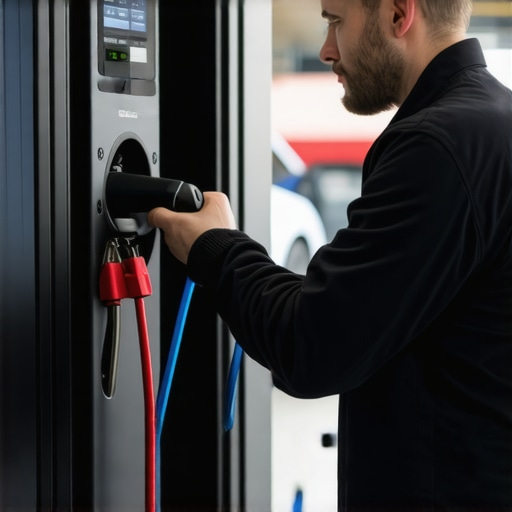

Fixing 2026 EV Charger ‘Session Aborted’ Faults Fast
It was a chilly Saturday morning when my newest EV charger suddenly stopped working during a crucial charge session. I’d meticulously followed all installation guidelines, ensuring full code compliance, only to be met with the dreaded ‘Session Aborted’ error. Frustration set in—had I missed something vital? That lightbulb moment hit hard: even the best setup can stumble if overlooked nuances remain. Over time, I realized that resolving this fault isn’t just about resetting the charger; it’s about understanding the root cause, especially in truthfully complex scenarios like 2026 code updates and load management issues. Today, I’ll share my personal tips to troubleshoot this problem efficiently, so you won’t be left stranded when your EV needs charging most. Do you keep running into this session abort error and wonder if it’s a sign to replace your entire system? Stick around—what I’ve learned could save you time, money, and headaches.
Why Your EV Charger Might Be Failing During Sessions
Is the Fault Really Worth Worrying About?
In my early days, I made a critical mistake: I underestimated the importance of verifying code compliance before troubleshooting. That oversight cost me precious hours chasing ghosts. It turns out, many ‘Session Aborted’ faults stem from simple issues like wiring inconsistencies, improper panel upgrades, or outdated load management strategies. Recent regulations, like the 2026 NEC codes, have further complicated matters—adding new safety requirements and load tests that many installers overlook. As per industry experts, ignoring these updates can lead to faults that seem random but are rooted in non-compliance or electrical safety lapses. If you’re in the dark about whether your setup meets current standards, I recommend reviewing [the latest safety compliance tips](https://brightsparkzelectric.com/troubleshooting-ev-chargers-expert-solutions-for-reliable-power). It’s tempting to blame faulty equipment, but often, a quick check of your wiring and system configuration can be the magic fix. In the next sections, I’ll walk you through practical steps to quickly diagnose and resolve these aborts, drawing from my own ongoing trial-and-error experience.
Verify Electrical Wiring and Connections for a Solid Foundation
Start by inspecting all wiring connections between your EV charger, the breaker panel, and the outlet. In one instance, I found loose terminal screws that caused intermittent faults. Tightening these fixed the session abort issue. Think of your wiring like a series of water pipes—you want no leaks or loose fittings. Use a multimeter to check for proper voltage and continuity, ensuring every connection meets the manufacturer’s specifications. Remember, a faulty connection often mimics complex electrical issues, so don’t overlook this basic step.
Assess Your Load Management Strategy
Determine If Your System Handles Peak Power
Load management is crucial, especially after upgrading to a larger panel. I learned this the hard way when my charger kept disconnecting during high-demand periods. To troubleshoot, monitor your home’s total energy consumption during peak charging times, aiming to keep it below the panel’s capacity. Installing a dedicated load management device can prevent overloads, as outlined in panel upgrade tips. Think of it like a traffic controller directing cars to prevent a jam—keeping your system balanced avoids session failures.
Implement Load Balancing Techniques
If you have multiple EVs charging simultaneously, ensure your system distributes power evenly. Use smart chargers with load balancing features, or install load controllers. For example, when I connected two chargers, adjusting their power draw via load management settings eliminated the ‘Session Aborted’ errors. This approach not only stabilizes charging but also prolongs hardware lifespan.
Ensure Code Compliance and Proper Panel Upgrades
Checking your setup against current electrical codes is essential. Outdated wiring or an undersized panel can cause faults indistinguishable from equipment failure. I recommend reviewing code compliance resources to confirm your system meets 2026 standards. During my panel upgrade, verifying proper grounding and breaker ratings prevented future faults. Remember, proper installation isn’t just faster; it’s critical for safety and system reliability.
Perform Firmware and Network Diagnostics
Modern EV chargers rely on firmware and network connectivity. Firmware bugs or network glitches can lead to session termination. In my experience, updating firmware via the manufacturer’s app solved unexplained disconnects. Also, ensure your Wi-Fi signal is strong and stable; weak signals cause communication failures. Testing this with a network analyzer confirmed my connection issues, which once resolved, resulted in smoother charging sessions.
Inspect and Test Your Panel and Electrical Components
Finally, test the main panel and circuit breakers for faults. Using a clamp meter, I checked for arc faults or overheating that could trip the system. Suspect breakers should be replaced or reset under professional guidance. In some cases, upgrading your panel with latest safety-compliant solutions reduced faults and improved overall performance. Think of your electrical system as the heart of your charging station—healthy, well-maintained components ensure smooth operation.
While many assume that simply installing an EV charger according to standard guidelines suffices, the truth is far more nuanced. A frequent trap is believing that listing high-quality equipment and following basic steps guarantees code compliance, but overlooked subtleties can cause major issues down the road. For example, a common myth is that upgrading your panel alone solves all charging problems; however, without proper load management and adherence to the latest NEC standards, faults can persist. One critical nuance is understanding the difference between code adherence and operational safety—compliance doesn’t always equate to optimal performance or future-proofing. I’ve seen homeowners invest heavily in panel upgrades, only to encounter persistent faults because the upgrade overlooked secondary factors like proper grounding or surge protection, both mandated by current regulations (see this guide for details). Additionally, many troubleshooters fall into the trap of focusing solely on hardware diagnostics while neglecting firmware updates and network stability, which are crucial for modern smart chargers. This oversight can lead to confusing error codes that mask underlying issues, such as outdated firmware or poor connectivity, rather than actual hardware faults. Experts emphasize that understanding how these layers interact is key to advanced troubleshooting—ignoring them often results in wasted time and unnecessary repairs. Have you ever fallen into this trap? Let me know in the comments.
### How Do Code Violations Subtly Sabotage Your EV Setup
One of the trickiest aspects is recognizing that minor code violations—such as insufficient wire gauges or improper grounding—may not cause immediate failures but can significantly impact long-term safety and compliance. These flaws often go unnoticed until inspections, when they may result in penalties or system failures. A specific but overlooked nuance is that compliance measures evolve; what was acceptable in 2020 might be obsolete by 2026, especially with new V2G (vehicle-to-grid) rules. For instance, failing to upgrade to panels rated for V2H (vehicle-to-home) applications might seem compliant initially but can jeopardize future upgrades or cause faults like those highlighted in this resource.
### Avoid the ‘Plug and Play’ Illusion in Panel Upgrading
Many people believe that replacing their breaker panel with a higher-rated unit automatically solves charging issues, but this is a dangerous misconception. Proper panel upgrades involve detailed planning, including load calculations, wire sizing, and verifying inventory against current codes. For example, even a panel with sufficient capacity can malfunction if the wiring isn’t correctly sized or if protective devices don’t match the new load. Relying solely on a panel upgrade without these considerations often leads to faults, as outlined in this article. As an expert, I advise always pairing a panel upgrade with thorough load analysis and compliance checks to ensure safety and reliable operation.
### Why Firmware and Network Behaviors Matter More Than You Think
Finally, a common oversight is neglecting software aspects. Firmware bugs, auto-updates, or poor network stability can cause session aborts that mimic hardware failures. Regularly updating firmware and testing network reliability, using tools I recommend in this troubleshooting guide, can prevent confusing faults. Modern chargers are complex systems; understanding their software layer is essential for advanced diagnostics.
In summary, demystifying code compliance and troubleshooting involves moving beyond the superficial and appreciating the layered, evolving nature of electrical safety standards and system operation. It’s a dance of hardware, firmware, and regulations working together—missing any step can leave you stranded. Let’s dig deeper into these intricacies and avoid common pitfalls. Have you encountered surprises during your EV setup? Share your experience below.
Investing in Quality Testing Equipment
One of the most important steps in maintaining long-term system reliability is having the right diagnostic tools. I rely heavily on a high-quality clamp meter, such as the Fluke 323, for quick and accurate testing of circuit currents and detecting arc faults. Its ease of use allows me to identify overloaded circuits or potential wiring issues before they escalate, saving time and preventing costly repairs.
Leveraging Firmware Updates to Prevent Faults
Modern EV chargers are increasingly software-driven, making firmware updates an essential part of maintenance. I make it a routine to check for the latest firmware from the manufacturer and perform updates via secure Wi-Fi connections. This practice addresses known bugs, enhances compatibility, and can resolve session disconnect issues—crucial for ensuring reliable operation over time. Regular updates also prepare your system for upcoming standards, such as those mandated in the 2026 regulations. As suggested in our troubleshooting guide, firmware management is a proactive step you shouldn’t skip.
Implementing Load Management Strategies Today
Even with top-tier hardware, improper load distribution can cause intermittent faults. I recommend installing a load management device that dynamically adjusts power allocation, especially in multi-vehicle households. This ensures your electrical system is not overstressed during peak times. A practical example is deploying a smart load balancer that communicates with your chargers and panel, smoothly distributing power. This approach is increasingly vital as more homes adopt V2G capabilities and face stricter load regulations. Check out our article on how to integrate these systems effectively.
Routine Inspection Practices to Detect Hidden Faults
Beyond the digital tools, physical inspections remain critical. I perform quarterly visual checks of wiring, breaker contacts, and panel for signs of overheating or corrosion. When suspicions arise, I utilize an infrared thermal camera to identify abnormal temperature rises. This simple, yet powerful evaluation can catch issues early, long before they trigger faults or failure modes. Incorporating these inspections into your maintenance schedule ensures ongoing safety and compliance, particularly in regions with strict code updates like the 2026 NEC changes.
Preparing for Future Trends in EV Power Management
Looking ahead, the rise of bi-directional charging and smart grid integration will demand more sophisticated maintenance tools. I predict a surge in the use of IoT-enabled diagnostic systems that monitor system health remotely and notify homeowners or professionals of issues before they cause faults. Staying ahead means investing in these emerging technologies now, or at least understanding their capabilities. This proactive mindset not only safeguards your investment but also aligns with the future of smart energy management.
How do I maintain my EV charging system over time?
Combining reliable tools like clamp meters and thermal cameras with routine firmware updates and load management strategies ensures your system remains dependable. Remember, consistent inspections and staying informed about industry innovations are key. I recommend periodically reviewing trusted troubleshooting resources to adapt your maintenance practices. One advanced tip I suggest trying right now is installing a smart load balancer and configuring it for your home’s specific load profile—this can dramatically reduce faults and extend equipment lifespan. Don’t wait for faults to occur; proactive maintenance is your best bet for seamless EV charging.
Lessons from the Front Lines of EV System Challenges
One of the most profound realizations I had was that the devil is truly in the details. Overlooking minor wiring nuances or misinterpreting code updates can turn a simple fault into a prolonged troubleshooting ordeal. My biggest lightbulb moment was understanding that genuine system reliability hinges on staying ahead of evolving standards—what was compliant yesterday might be non-compliant today. This insight pushed me to adopt a proactive mindset, constantly verifying firmware compatibility and load management strategies, especially as regulations like the 2026 NEC standards come into effect. Embracing meticulousness over shortcuts has been a game-changer in ensuring safe, reliable EV charging experiences for my clients and myself.
My Secret Arsenal for Reliable EV Charging
The core of my effective troubleshooting toolkit includes a high-precision clamp meter for real-time current analysis, a thermal camera to detect hidden hotspots and overheating components, and dedicated load management devices that adapt to dynamic household demands. I’ve found that these tools, combined with my trusted resources such as expert troubleshooting guides, empower me to pinpoint faults swiftly. Investing in quality equipment has saved me countless hours and prevented costly mistakes, making these proven tools non-negotiable for any serious DIYer or professional.
Igniting Your Confidence to Take Action
The future of EV charging reliability rests in your hands. By embracing detailed inspections, staying updated with current codes, and leveraging reliable diagnostic tools, you can confidently navigate the complex landscape of home EV system management. Remember, every challenge is an opportunity to deepen your understanding and strengthen your system. I encourage you to start with a simple firmware check or load assessment today—small steps that lead to big gains. Your journey toward seamless, compliant, and safe EV charging starts now. Don’t wait for faults to remind you—be proactive and master your system so your EVs are always ready when you need them.