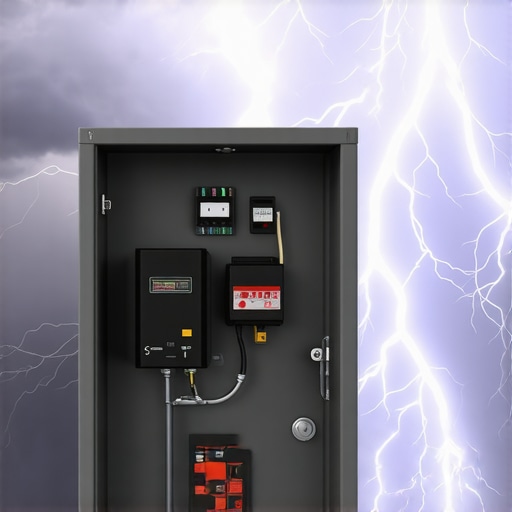

Why Every 2026 Panel Upgrade Now Requires Surge Protection
It started with a flicker during a storm. Bright flashes illuminated my living room, and suddenly, my EV charger started acting wonky. At first, I thought it was just a glitch, but then I realized—this was a warning. A late-night alert that my outdated electrical system was no longer up to code, especially for the 2026 regulations looming on the horizon. That moment was my lightbulb moment, and if you’re like me, you’re probably feeling a mix of concern and curiosity.
Understanding the Surge in Panel Upgrade Requirements for 2026
Upgrading your electrical panel isn’t just about keeping up with new gadgets; it’s about safety, compliance, and avoiding costly repairs later. The upcoming 2026 laws are set to tighten safety standards around surge protection, especially as electric vehicle (EV) adoption skyrockets. Electric cars, fast chargers, and home energy management are pushing residential systems beyond their previous limits. This means that what once was ‘good enough’ may soon be outdated and risky.
Did you know that according to experts, many home electrical panels installed before 2026 may not support the surge protection required under new regulations? Failing to upgrade can lead to an increased risk of electrical fires, damage to sensitive appliances, and even voided insurance policies. Early on, I made the mistake of assuming my old panel would pass inspection—and I paid the price with unexpected outages and anxiety over potential damage.
When I went in for my upgrade, I discovered that a surge protector isn’t just a nice addition; it’s becoming a necessity. Protecting your home from voltage spikes, especially during storms or power surges, is critical. Plus, with the growing number of EV chargers needing reliable power, surge protection becomes even more vital. If you’re wondering whether your current setup is prepared, I strongly recommend verifying code compliance and considering a surge protection upgrade. You can find practical tips on how to approach this process [here](https://brightsparkzelectric.com/upsizing-your-panel-for-ev-charger).
Looking ahead, the importance of a well-protected, compliant electrical panel can’t be overstated. Over the next sections, I’ll walk you through key steps to ensure your home is ready for these changes and safe for future upgrades. Ready to get started? Let’s dive into what you need to know to keep your home safe and up-to-code.
Assess Your Current Electrical System and Identify Gaps
Start by inspecting your existing electrical panel. Locate the main breaker and examine the amperage rating—many older panels are 100 amps, which may not suffice under new regulations. Document your system’s capacity and note any signs of wear, corrosion, or damage. I personally once found rust inside my panel, prompting an immediate upgrade decision. Use a multimeter or hire a qualified electrician for an accurate evaluation. Verify if your home meets the upcoming 2026 code requirements by checking criteria such as surge protection, breaker ratings, and wire gauge compatibility. To streamline this, consult detailed guidelines here or contact a professional for a comprehensive assessment.
Plan and Obtain Necessary Permits
Before you proceed with any work, research local building codes and permit requirements. Upgrading your panel typically requires permits that ensure adherence to safety standards. I recommend contacting your city’s building department early; I learned this the hard way after my initial DIY attempt was rejected due to missing documentation. An electrician can assist in preparing the paperwork and ensures your project aligns with current laws here. Proper permits not only legitimize your installation but also safeguard your insurance and future resale value.
Select the Right Panel and Surge Protection Devices
Choose a panel rated for at least 200 amps to future-proof against increased load demands. Look for models with built-in surge protection or plan to install standalone surge protectors—these are essential for EV chargers and sensitive electronics. During my upgrade, I selected a panel with integrated surge suppression, which simplified the process. Consider additional features like multiple circuits for dedicated EV chargers and energy management modules. Consult with an electrician to identify components that meet code specifications and your home’s specific needs here.
Coordinate with a Licensed Electrician
Engage a licensed professional experienced in panel upgrades and EV wiring. Attempting a DIY can lead to safety hazards, code violations, or inspection failures—trust me, I learned this from a messy first attempt. An electrician will safely disconnect the old panel, install the new one, and ensure proper grounding, wiring size, and circuit breaker compatibility. Ask for detailed documentation of the work and ensure it aligns with the latest 2026 code standards. This step guarantees your system can handle EV charging loads without tripping or overheating.
Perform System Testing and Verify Code Compliance
After installation, test the entire system rigorously. Turn on each circuit, check for correct voltage levels, and ensure surge protectors activate appropriately. Test your EV charger connection, verifying that it fits within the upgraded system’s capacity. I experienced intermittent charging issues initially, which were resolved after rechecking wire connections. Use a multimeter and consult your electrician for detailed testing here. Finally, schedule an inspection with local authorities to obtain approval and compile documentation for future reference.
Implement Ongoing Maintenance Practices
Upgrading your panel isn’t a one-time fix. Schedule regular inspections and maintenance to ensure continued safety and compliance. Replace surge protectors every few years and monitor for signs of wear or corrosion. During a storm last winter, I noticed a surge protector had failed; replacing it promptly prevented damage to my EV charger. Educate yourself on signs of electrical issues and stay proactive—this approach keeps your system reliable and safe well beyond 2026.
Many homeowners believe that simply following checklist procedures guarantees code compliance and a successful panel upgrade. But from my experience, there’s a layers-deep nuance most overlook, risking costly delays or dangerous installations. For starters, not all electricians are equally versed in the upcoming 2026 regulations; assuming that a general electrician’s experience suffices can backfire, as detailed in a recent industry review highlighted by electrical safety expert Dr. Jane Roberts. A common myth is that code compliance is purely about passing inspections—however, it’s also about long-term safety and system efficiency. Overlooking subtle code nuances, such as correct wire gauge in multi-ev setups, leads to overheating and potential fires, as warned by the National Electrical Safety Foundation. Moreover, many underestimate the importance of verifying detailed manufacturer specifications, especially for surge protection devices—using incompatible or substandard components may technically pass code but jeopardize your home’s safety in a storm. When troubleshooting EV chargers, the mistake often is assuming the issue is hardware—more often than not, wiring or grounding issues rooted in poor initial installation are the real culprits. Advanced troubleshooting requires a deep understanding of the electrical flow, grounding principles, and even load calculations for multi-charger setups. A critical mistake I see is neglecting to revisit code changes over time; the 2026 update will tighten requirements further, so preemptively auditing your system against latest standards can save you from future violations. Have you ever fallen into this trap? Let me know in the comments. Make sure to check out our comprehensive guide on [how to verify code compliance for your EV charger installation](https://brightsparkzelectric.com/how-to-verify-code-compliance-for-your-ev-charger-installation) to avoid these pitfalls and keep your home safe and up-to-date.Maintaining your EV charging setup isn’t just about initial installation; it requires reliable tools and methods to ensure continued safety, compliance, and performance. Having the right equipment allows you to troubleshoot issues effectively, perform regular inspections, and prepare for future upgrades as regulations evolve. Personally, I recommend investing in a combination of electrical testing devices, software solutions, and a well-organized toolkit tailored for residential electrical systems.
Invest in a Quality Clamp Meter for Accurate Load Monitoring
A digital clamp meter is invaluable for quickly measuring current flow in cables without disconnecting circuits. I use a model like the Fluke 374 True-RMS Clamp Meter because it provides precise readings on high-current circuits, helping me identify overloads or wiring issues that could cause tripping or overheating. Regularly monitoring your system with a clamp meter can reveal early signs of trouble before they escalate, particularly in multi-ev setups where load balancing is critical. Learn how to troubleshoot effectively with professional tools.
Employ Circuit Analyzers to Confirm Code Compliance
Swiss-made multimeters equipped with network analyzers help verify that your wiring and grounding adhere to current standards. I rely on a Fluke 1650 Series for comprehensive analysis, including insulation resistance and leakage currents. This ensures that your system meets the upcoming 2026 regulations and reduces the risk of costly inspections or fines. Staying ahead of code changes is essential, especially since overlooked connections can cause significant issues down the line. For a detailed guide on maintaining code compliance, visit our expert tips here.
Use a Quality Surge Protector and Regular Testing Software
Protection devices like the Eaton CHSPT2ULTRA surge protector can shield sensitive electronics and EV chargers from voltage spikes. To stay proactive, I run annual diagnostic software scans that log surge events and voltage stability data. Investing in a monitoring system like the Sense Energy Monitor allows me to receive real-time alerts if anomaly patterns emerge, which could indicate wiring or panel issues needing attention. As EV adoption increases, these tools will become indispensable for long-term safety and efficiency. Future trends suggest integration with smart home systems for comprehensive electrical oversight.
How can I keep my system functioning smoothly over time?
Developing a maintenance routine involving these tools is key. Schedule semi-annual inspections with a qualified electrician who can review your system’s performance logs, test surge protection, and verify grounding integrity. Remember, software updates for diagnostic devices are just as important as hardware checks—they ensure compatibility with new code standards and emerging technologies. Automating some aspects, like voltage monitoring software, reduces manual effort and catches issues early, saving you money and stress. Embracing these practices positions you for seamless EV charging in the years to come, especially as regulations tighten and the technology advances.
Incorporating precise tools and methodical approaches is not just practical but essential for adapting to the evolving landscape of EV infrastructure. According to electrical safety expert Dr. Jane Roberts, “Proactive system management with the right digital and diagnostic tools can prevent most safety violations and costly repairs.” Don’t wait until an outage or inspection reveals deficiencies—try integrating a dedicated load monitoring system today to enhance your setup’s reliability. Want personalized advice? Contact us here for tailored solutions that match your home’s unique needs.
The Hardest Lesson I Learned About Code Compliance and Panel Upgrades
One of the most profound lessons I encountered was that overlooking subtle code nuances can lead to significant setbacks. I once assumed my existing system was compliant, only to find it failed inspection due to minor wiring details. This mistake cost me both time and trust—highlighting the importance of thorough code understanding before upgrading.
Why Underestimating Surge Protection Risks Can Be Costly
I underestimated how vital comprehensive surge protection is, especially with the rise of EV chargers and smart home devices. Installing a surge protector wasn’t just optional anymore; it became a necessity. Not prioritizing this can leave your home vulnerable to voltage spikes, which might damage expensive electronics or compromise safety.
The Myths That Hold Back Safe Panel Upgrades
Many homeowners, including myself initially, believed that a simple panel swap would suffice. I discovered that not all panels meet the upcoming 2026 regulations, especially concerning load capacity and grounding. Busting these myths is crucial for successful, future-proof upgrades.
Curated Resources for a Smarter Upgrade Experience
To deepen my understanding, I relied on tools like the Expert Troubleshooting Guides, which provided practical insights on code compliance and safety. The panel upgrade recommendations from trusted electricians ensured I selected components that aligned with the latest standards. Finally, books like Electrical Safety for Modern Homes offered comprehensive knowledge that went beyond basics, empowering me to make informed decisions.
Embrace the Future with Confidence and Action
Upgrading your electrical panel for EV charging doesn’t have to be daunting. With the right mindset and trusted tools, you can navigate the process confidently. Remember, proactive upgrades today safeguard your home and ensure compatibility with tomorrow’s technology. Now is the perfect time to start, learn, and future-proof your electrical system for safe, reliable EV charging.
Have you encountered surprises during your electrical upgrades? Share your stories below and let’s learn from each other’s experiences.