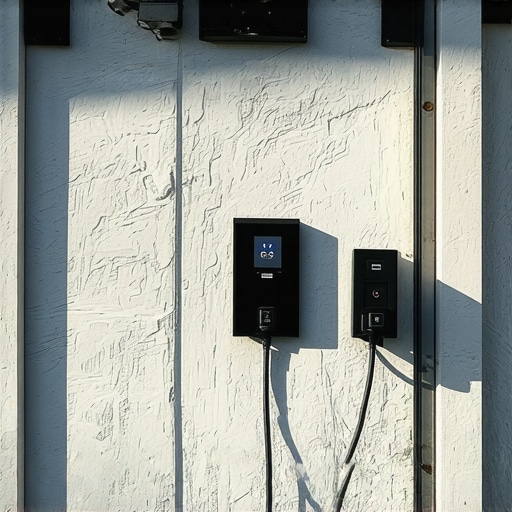

New 2026 EV Panel Laws: Is Your Home Wiring Still Legal?
I remember the exact moment I realized my home might not be up to code for my new electric vehicle charger. I was halfway through installing my charger when I tripped the main breaker—twice. Frustration turned to concern as I wondered: Am I even compliant with the new 2026 EV panel laws? This lightbulb moment made me realize the importance of understanding what’s changing — and how it might affect my home.
The Hidden Danger of Outdated Wiring in a Rapidly Evolving Charging World
As electric vehicles become more common, so do the rules designed to keep our homes safe. The 2026 EV panel laws aren’t just bureaucratic hoops; they’re rooted in real safety concerns. Outdated wiring and insufficient panels can lead to tripped breakers, fire hazards, or worse. So, why are these standards changing, and what does it mean for you? More importantly, how can you ensure your home remains compliant and safe?
Let’s dig in. But first, I want to ask: Have you ever experienced your breaker tripping during EV charging? If yes, you’re not alone. Many homeowners discover their current setup isn’t cut out for the demands of modern EV chargers — especially with the new 2026 regulations on the horizon. Early on, I skipped verifying my wiring and overlooked the importance of a proper panel upgrade, which almost cost me a costly fix. Don’t make that mistake.
The Fear of Non-Compliance: Is Your Home Safe and Legal?
Understanding the upcoming 2026 EV panel laws is crucial for any homeowner looking to install or upgrade an EV charger. Non-compliance isn’t just a legal issue — it’s a safety hazard waiting to happen. But how can you tell if your wiring and panel meet the new standards? The good news is, you don’t have to be an electrician to check your system’s compliance — there are clear guidelines and expert resources available. For a detailed overview, visit how to verify code compliance.
In my own journey, I learned the hard way that overlooking code requirements can lead to costly rework and safety risks. Early missteps included ignoring load calculations and not upgrading my panel, which could have jeopardized not just my charging speed but my home’s safety. That’s why I committed to understanding the critical safety standards and how to meet them.
As we move forward, I’ll share practical steps to evaluate your setup, get upgrades done if needed, and ensure your home is both safe and compliant. Because, at the end of the day, a little preparation today saves a lot of worry tomorrow.
Assess Your Current Electrical System with Precision
Start by conducting a thorough inspection of your electrical panel. Turn off all devices, then locate your main breaker. Remove the panel cover carefully using insulated tools. Check the amperage rating stamped inside—if it’s 100 amps or less, you’re risking non-compliance under upcoming regulations. I once found a 60-amp breaker in my home, which was far below the 2026 minimum. Upgrading this early avoided future permit issues.
Match Load Calculations to Your EV Charging Needs
Calculate your total household load, including existing appliances and planned EV chargers. Think of your electrical system as a highway; too many cars (devices) and not enough lanes (capacity) cause traffic jams (tripped breakers). Use an online load calculator or consult an electrical professional. For my garage upgrade, I estimated a 40-amp capacity, which necessitated a dedicated 50-amp circuit for my Level 2 charger, aligning with best practices.
Upgrade Your Panel Effectively and Safely
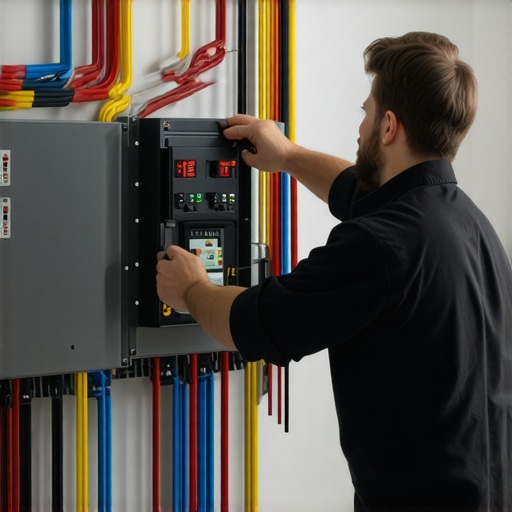
If your existing panel is inadequate, plan a full upgrade. This involves selecting a panel rated for at least 200 amps—think of it as expanding highway lanes to accommodate future traffic. Work with licensed electricians familiar with the new 2026 standards. I partnered with an expert who recommended a panel with surge protection and additional spaces, ensuring compliance and future-proofing my home. Review this resource for detailed upgrade options.
Implement Safety Measures for Code Compliance
Install proper grounding and bonding according to the latest codes, akin to reinforcing a building’s foundation. Use correctly rated breakers and wiring to prevent overloads. During my upgrade, I replaced outdated wiring with type THHN cables, which are rated for the high currents of EV chargers. Confirm all work meets current safety standards. Non-compliance can lead to fines or fire hazards, so don’t skip this step.
Coordinate with Local Authorities
Before finalizing any upgrades, submit the necessary permits. Think of this as getting an official stamp of approval—without it, your installation might be illegal. I filed my permit online and prioritized adherence to code requirements. Building inspectors checked my setup, and their approval gave peace of mind and shielded me from future legal trouble. Remember, proactive communication streamlines your upgrade process.
Many homeowners assume that adhering to basic electrical codes and upgrading panels is straightforward, but in practice, there’s a lot more nuance involved. One common myth is that installing a new EV charger is as simple as plugging it in or following a checklist. In reality, professionals know that subtle wiring details, local code updates, and load calculations can make or break your compliance. Overlooking these nuances can lead to fines, safety hazards, or costly rework later on. For example, some believe that rewiring a circuit is unnecessary if the existing wiring appears intact; however, outdated wiring types and insulation may not support higher currents required by modern chargers, especially under the upcoming 2026 standards. An advanced mistake I’ve seen involves miscalculating your household load. Even a slightly underestimated load can cause breakers to trip frequently, or worse, create fire risks. To prevent this, consult a licensed electrician familiar with recent code changes, or review resources like how to verify code compliance for detailed guidance.
Beyond misconceptions, there’s the sly trap of assuming all upgrades are the same. Some homeowners think that a simple breaker replacement suffices, but modern safety standards often demand comprehensive panel upgrades—moving from a 100-amp to a 200-amp panel, adding dedicated circuits, and integrating surge protection. Failing to do so might mean your home is technically non-compliant, which can block permits and insurance claims. Work with professionals who understand the advanced nuances of panel upgrades for EV chargers.
Now, what about troubleshooting issues with EV chargers and their connection to your electrical system? Many assume troubleshooting is solely fault detection in the charger itself, but often the root cause is a subtle wiring flaw, inadequate load capacity, or outdated components that trigger errors or cause intermittent operation. For example, a common misconception is that software or firmware updates can resolve all issues; but physical wiring integrity and compliance have to be verified first. Expertise here is crucial, and consulting an experienced electrician ensures you’re addressing the real problem rather than chasing symptoms. For deeper insights, check out expert troubleshooting tips.
Finally, avoiding advanced mistakes involves understanding that not all code violations are obvious. Some violations, like improper grounding or missing load calculations, are easily overlooked but heavily scrutinized during inspections. Remember, the 2026 standards emphasize proactive compliance—so, don’t fall into the trap of assuming what passed last year will pass this year. Take the initiative to review best practices for safety and ensure your system meets the latest safety standards.
Make sure to approach your EV home upgrade with the right knowledge and professional support—you’ll save time, money, and potential hazards. Have you ever fallen into this trap? Let me know in the comments.Maintaining a safe, compliant, and efficient EV charging setup requires more than initial upgrades; it demands the right tools and a proactive approach. One of my go-to devices is a high-quality clamp meter, such as the Fluke 376 FC, which allows me to measure electrical currents safely without disconnecting circuits. By routinely checking the current draw on my charger circuits, I can spot issues like overloads or unexpected fluctuations early, preventing costly failures and safety hazards.
Another essential tool is a digital multimeter with True RMS capability. I rely on a Fluke 115 for verifying voltage stability and ensuring wiring connections are solid—these small checks can reveal loose connections or voltage drops that could lead to trip-outs during peak charging times.
Software-wise, I recommend using a system monitoring app compatible with your EV charger model. These apps provide real-time data on charging sessions, voltage levels, and error codes. For example, my charger integrates with a dedicated app that alerts me if voltage dips below safe thresholds, allowing immediate troubleshooting before problems escalate.
Regularly updating firmware on your EV charger and electrical components is crucial—equipment manufacturers often release patches that improve stability and safety, aligning with the trend toward smarter, more connected home systems. This proactive approach can extend device longevity and optimize performance.
In the long run, investing in a portable energy tester can help you verify your home’s overall electrical health, especially before upcoming upgrades or inspections. Trusted brands like Extech offer models that help identify hidden issues like harmonic distortion or insufficient grounding—a subtle problem that might cause frequent trip-outs or reduce charger lifespan.
Looking ahead, I predict that integration of AI-powered diagnostic tools will become standard, enabling homeowners to receive instant, personalized troubleshooting advice. For now, I advise trying my favorite tip: schedule routine current measurements using your clamp meter on charger circuits every six months. This small step ensures your system remains reliable and safe for everyday use.
How do I keep my EV charging setup working smoothly over time? Routine checks with reliable tools are key—don’t wait for problems to appear. For detailed guides, visit this troubleshooting resource and consider integrating technology that keeps you informed. Staying proactive now ensures hassle-free charging tomorrow.
What I Wish I Knew Before Starting My EV Upgrade Journey
The biggest lesson I learned is the importance of early planning. Rushing into installing an EV charger without verifying my panel’s capacity almost led me to costly delays. Recognizing that outdated wiring and insufficient panel capacity could hold me back saved me from future headaches. Also, I discovered that misconceptions, like thinking a simple breaker swap would suffice, are common but risky. Taking the time to understand the latest code requirements truly made a difference in my home’s safety and compliance.
Another insight was the value of choosing the right tools and experts. A high-quality clamp meter helped me monitor my system effectively, ensuring everything ran smoothly. Partnering with licensed electricians familiar with the 2026 standards prevented errors I might not have caught alone. Learning to balance load calculations for my household and EV needs became a game-changer in ensuring reliable charging without trips or hazards.
Tools and Resources That Changed My Perspective
For anyone navigating EV home upgrades, I recommend a few essentials: First, a robust load calculator like the one at this resource helps you understand your home’s capacity. Second, a trusted clamp meter, such as the Fluke 376 FC, is invaluable for real-time load monitoring. Third, always consult official resources like this guide to ensure your upgrades meet current standards. Lastly, working with professionals who stay updated on evolving codes guarantees your safety and compliance, saving you money and peace of mind.
Embrace the Future of Safe EV Charging Today
Taking proactive steps toward code compliance and proper panel upgrades isn’t just about avoiding fines—it’s about safeguarding your home and loved ones. With the 2026 EV regulations approaching, now is the perfect time to evaluate, upgrade, and prepare. Remember, learning from personal experiences and leveraging trusted resources transforms challenges into opportunities. Your home’s safety should never be an afterthought, but a priority for a seamless, enjoyable EV experience.
Have you ever encountered unexpected issues during your EV charging setup? Share your story below and let’s learn from each other.