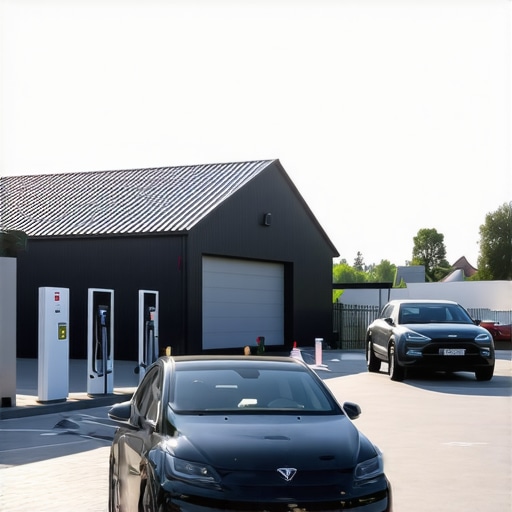

3 New 2026 Load Management Rules for Multi-EV Home Charging
Imagine this: it’s a chilly Saturday morning. I plug in my EV, eager to hit the road after a late-night charge. Suddenly, my main breaker trips. Frustration sinks in. That was my lightbulb moment—realizing that recent changes in the load management rules could turn a simple home charging routine into a complex puzzle. It hit me hard how unprepared I was for the 2026 code updates that are sweeping across residential electrical systems.
The Reality of Living with New Load Rules
As more homeowners embracing electric vehicles, the 2026 regulations are designed to ensure safety and reliable power distribution. But what does that mean for us, ordinary folks trying to keep things running smoothly? Today, I want to share how these rules impact multi-EV households and how I found practical solutions to stay ahead of the curve.
Is Compliance Really Worth the Hassle?
Early on, I made a costly mistake—ignoring the importance of proper panel upgrades and code verification. It led to repeated trips and frustration, not to mention potential safety hazards. According to a comprehensive guide by BrightSpark Electric, failing to adhere to these new standards could result in fines or dangerous overloading issues. It’s not just about avoiding penalties; it’s about protecting your home and loved ones.
If you’ve faced similar struggles or worry about how these changes might affect your charging setup, you’re not alone. Many homeowners underestimate how critical these updates are until they encounter a problem firsthand.
Staying Ahead with Practical Steps
Thankfully, navigating these new rules doesn’t require a master’s degree in electrical engineering. It’s about understanding the essentials and taking action. From evaluating your current panel to ensuring code compliance, there are clear pathways to retrofit safely and efficiently. For detailed steps, I recommend checking out resources like panel upgrades for EV chargers and verifying your setup with expert guidance.
In the following sections, I’ll walk you through the critical decisions and upgrades necessary to meet 2026 standards, helping you avoid unexpected surprises and ensuring your home’s electrical system is ready for the future.
,
Evaluate Your Current Electrical Panel
Begin by inspecting your home’s main electrical panel to understand its capacity and configuration. Think of your panel as a highway junction; if it’s too narrow or congested, it can’t handle increased traffic from multiple EV chargers. During my own assessment, I noticed my 100-amp panel struggled when charging two vehicles simultaneously. To verify if your panel meets the 2026 standards, check the amperage rating and the number of available slots. If you’re unsure, it’s wise to consult a licensed electrician. For detailed guidance, visit panel upgrade resources that walk you through this process.
Many homeowners assume that once they meet the basic requirements for EV charger installation, they are fully compliant and safe. However, this is a dangerous oversimplification. A prevalent misconception is that checking for the right amperage is enough, but the nuances of code compliance run much deeper. For instance, the National Electrical Code (NEC) has specific provisions for surge protection, conductor sizing, and circuit breaker configurations that many overlook. Ignoring these details can lead to violations, safety hazards, or costly rework. In my experience, rushing through panel upgrades without understanding the latest code amendments—especially the critical changes introduced for 2026—can cause even seasoned DIYers to stumble. According to electrical safety experts, failure to adhere to these standards not only risks fines but can compromise device performance and personal safety.
Why do so many get it wrong at this stage? It often boils down to incomplete inspections or relying on outdated knowledge. Verifying your setup using reputable guides like this resource can help you identify overlooked compliance issues before they turn into safety concerns.
Another advanced trap involves underestimating the importance of comprehensive troubleshooting in EV charging systems. Commonly, owners notice power drops or charging failures and assume it’s a simple connection issue. In reality, these symptoms frequently hint at underlying panel shortcomings or improper grounding, especially if code upgrades weren’t properly implemented. A subtle misstep during troubleshooting, such as ignoring thermal issues or failing to test circuit integrity thoroughly, can lead to repeated failures and potential damage. Expert insights from this guide emphasize the need for meticulous diagnostics—crafting a workaround without addressing root causes often results in recurring problems.
What advanced mistakes trip up even seasoned installers?
One key error is neglecting to anticipate future load demands. Installing a panel that just meets current needs without accounting for potential expansion or increased local regulations can be problematic. As the 2026 standards introduce more stringent requirements, a system that
How do I maintain my EV charging setup for long-term performance
Maintaining a robust and compliant electrical system requires the right tools and consistent oversight. I personally rely on a high-quality clamp meter to monitor load fluctuations during peak charging times. It’s essential because it enables me to identify hot spots or overloads before they cause trips or damage. I use models like the Fluke 376 FC, which offers true RMS readings, wireless connectivity, and durable construction, making on-the-spot diagnostics straightforward.
For software, I recommend using specialized electrical analysis apps such as Power Quality Analyzer. These tools help track voltage stability over days or weeks, ensuring your system stays within safety margins. Regularly reviewing these logs can reveal trends—like gradual current increases—that signal the need for panel upgrades or circuit adjustments. My routine includes weekly checks, especially after adding new EV chargers or appliances, to prevent surprises. In the future, I predict smart load monitoring systems will become standard, providing real-time alerts via smartphone notifications and helping homeowners preempt issues before they occur.
Why invest in proper troubleshooting tools now
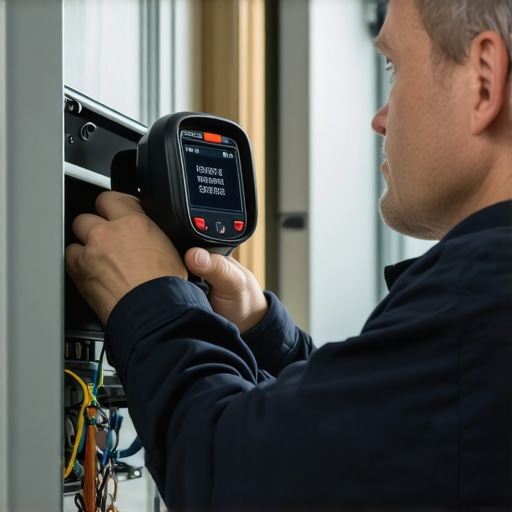
Efficient troubleshooting is vital for quick resolution and long-term reliability. For instance, I keep a thermal camera (like the FLIR One Pro) handy. This enables me to spot uneven heating in wiring or circuit breakers, which often indicate hidden issues or inferior connections. That proactive step saves time and reduces risk. Additionally, I maintain a detailed troubleshooting checklist, rooted in expert guides like this resource. Following structured diagnostic processes avoids jumping to conclusions and ensures compliance with codes.
Best practices for ongoing system health
Schedule annual inspections with licensed electricians to review panel, wiring, and grounding conditions. Consider expanding your system with a dedicated sub-panel for EVs, which isolates high loads and prevents overloads. When upgrading panels, I always verify new installations with code-specific tools—the type of which are detailed on this guide. Moreover, maintaining accurate documentation of modifications helps during audits or resale. Going forward, automation will likely play a bigger role, with smart panels that self-diagnose issues and communicate their status remotely, reducing downtime and repair costs.
If you’re ready to take your maintenance to the next level, try integrating a thermal imaging check into your regular routines. It’s an advanced step that can uncover hidden wiring issues before they escalate, saving you money and ensuring safety down the line. Remember, a proactive approach today avoids costly repairs tomorrow.
The Hardest Lesson I Learned About Code Compliance and Panel Upgrades
One of the most eye-opening moments for me was realizing that rushing into EV charger installations without a thorough understanding of the latest code requirements can lead to repeated trips to the breaker box and safety concerns. I once underestimated the importance of detailed inspections, which taught me that compliance isn’t just about ticking boxes—it’s about genuinely safeguarding your home and family. Learning this the hard way motivated me to dive deeper into official standards and stay proactive with my system checks.
Tools That Became My Secret Weapon in Troubleshooting
Over time, I discovered that having the right diagnostic tools transforms troubleshooting from guesswork into a structured process. My high-quality clamp meter and thermal camera have saved me countless hours by revealing hidden wiring issues and overheating components before they escalate. These tools, combined with dedicated software for load analysis, help me ensure my setup remains safe and compliant, especially as regulations evolve. I trust resources like this guide for expert insights that keep me well-prepared.
Harnessing Unexpected Insights to Future-Proof My System
One revelation I didn’t see coming was how small modifications today can prevent major headaches down the road. Upgrading my panel properly and verifying every step with code-specific tools proved invaluable. Moreover, integrating smart load monitoring has given me peace of mind, allowing me to catch potential issues before they trigger a breaker trip. These experiences have underscored that investing in quality equipment and continual education isn’t optional—it’s essential for reliable EV charging as standards tighten. If you’re curious about how to elevate your setup, explore this resource for tailored upgrade strategies.