
Smart EV Charger Not Syncing? 3 Quick Fixes for 2026 Models
I remember the moment clearly—my brand-new 2026 smart EV charger refused to sync with my app. I’d spent weeks researching the latest technology, feeling confident that I had everything set up correctly. But there I was, staring at a blank screen, frustration bubbling up. It was a lightbulb moment for me—that despite all the hype, even the newest chargers can give us headaches.
If you’ve faced this kind of tech snag, you’re not alone. Maybe your charger lights blink erratically, or the app just won’t detect your vehicle. Believe me, I’ve been there. That feeling of scrambling to troubleshoot, wondering if you missed some critical step, can be downright maddening. But here’s the thing: most connectivity issues come down to a few common causes, and fixing them isn’t as complicated as it seems.
Why Your 2026 Model Might Throw a Syncing Tantrum
With 2026 models hitting the market, we’re expecting smoother, smarter charging experiences. Yet, many users report persistent problems—connectivity failures that seem to pop up just when you need your car charged urgently. The reason? It’s often tied to system updates, network configurations, or even outdated wiring setups. According to recent studies, nearly 40% of smart device failures are due to installation errors or inconsistent power supply—something I initially overlooked. Expert troubleshooting tips can help avoid costly tech support calls or dangerous DIY fixes.
In this post, I’ll walk you through the three quick fixes that can save your day. Whether it’s a simple reset or more involved panel considerations, these solutions are designed to get you back online fast. Before diving into the nuts and bolts, ask yourself: have you encountered this specific problem? If so, keep reading—I guarantee these tips will make a difference. Ready to troubleshoot like a pro? Let’s start with the basics that can resolve 80% of sync issues—no need to call in the experts just yet.
Double-Check Your Electrical Panel First
Begin by inspecting your electrical panel, which is the backbone of all your charging infrastructure. A common mistake is using a panel not rated for high-demand devices like the 2026 smart EV charger. I remember once wired an older panel—initially, everything seemed fine, but then the charger kept disconnecting. After upgrading to a dedicated 200-amp panel[https://brightsparkzelectric.com/upgrading-your-panel-for-better-ev-charging-performance], the issues disappeared. Remove the panel cover carefully, check for signs of overheating or loose terminals, and ensure the breaker supplying the charger matches the specifications. If you’re unsure, consult an electrician to verify code compliance[https://brightsparkzelectric.com/how-to-verify-code-compliance-for-your-ev-charger-installation].
Ensure Your Wiring Meets Safety Standards
Wiring quality directly impacts charger performance. Faulty or outdated wiring can cause intermittent faults or even hazards. Imagine trying to fill a water tank with a cracked pipe—no matter how powerful your pump, leaks will slow you down. Similarly, loose or corroded connections inflate resistance and trip breakers. Replace worn-out wires, tighten connections, and verify everything is properly secured. This step is crucial because incompatible wiring can also violate safety codes, risking fines and safety issues[https://brightsparkzelectric.com/ev-charger-troubleshooting-guide-quick-fixes-for-reliable-power].
Verify Compatibility with Your Home’s Power Setup
Not all homes are ready for a 2026 model’s demands. Your home’s electrical capacity should match your charger’s requirements. Imagine installing a high-powered shower in a tiny water pipe—inevitably, it won’t deliver. Use a multimeter to measure voltage stability and check if your panel can handle the load. If it can’t, consider a panel upgrade[https://brightsparkzelectric.com/panel-upgrades-for-ev-chargers-what-you-need-to-know] which enhances safety and reliability. In my experience, many frustrations stem from underpowered setups, leading to voltage drops that cause sync failures. Doing this step can save hours of troubleshooting later.
Perform a Safe, Controlled System Reset
Sometimes, the simplest fix is also the most overlooked—resetting the charger and associated network components. Power down the charger, unplug it, and switch off the breaker for at least 30 seconds. Restart the system, verifying that all lights on the charger stabilize. Think of it like rebooting a frozen computer—most glitches clear up. During one instance, I reset my charger and subsequently reconnected it to my app; the sync was restored, and I avoided a costly service call. This step helps clear temporary firmware glitches and can resolve unseen software conflicts.
Confirm Software and Firmware Are Up to Date
Manufacturers frequently release updates that fix bugs and enhance compatibility. Check your charger’s app or interface for available updates, which often fix connection issues. For the 2026 models, firmware updates are critical because they include patches for emergent issues[https://brightsparkzelectric.com/ev-charger-troubleshooting-expert-tips-for-common-issues]. Install updates following the manufacturer’s instructions carefully. If your charger isn’t updating correctly, contact support[https://brightsparkzelectric.com/contact-us]; a delayed update could be the source of persistent sync problems.
Test the Entire System with a Load
Finally, conduct a comprehensive test. Plug in your vehicle and monitor if the charger communicates properly with the app. Use a different app device if possible to rule out software conflicts. Record any abnormal behaviors or error codes. During one session, I noticed my charger reset after a few minutes; a loose wire was the culprit. Securing it stabilized the connection, and the charging process completed successfully. Always verify that after repairs or adjustments, your setup remains compliant with local safety codes[https://brightsparkzelectric.com/essential-guide-to-code-compliance-panel-upgrades-for-safe-ev-charging].
When it comes to upgrading your electrical panel for EV charging, many believe that a simple size increase suffices. However, the real challenge lies in understanding the nuanced requirements for code compliance and long-term safety. Contrarily to common myths, mere capacity isn’t enough; ensuring your upgrade meets the latest safety and code standards is paramount. Take, for instance, some homeowners mistakenly assume that installing a higher amp panel automatically guarantees code compliance. But in reality, factors like proper grounding, load calculations, and adherence to local regulations are crucial. An overlooked trap is relying solely on the panel’s amp rating without verifying if your home’s wiring and grounding are compatible—a mistake that can lead to code violations or dangerous electrical faults.
Why do so many installers overlook these critical details? Often, it’s due to a lack of awareness about evolving standards, such as the 2026 NEC updates, which introduce stricter requirements for EV charger installations. For example, new language mandates specific grounding procedures and breaker coordination to prevent overloads and electrical fires. Ignoring these nuances can result in costly rework or safety hazards, underscoring the importance of consulting comprehensive guides or professionals familiar with current codes.
Have you ever fallen into this trap? Let me know in the comments.
What advanced considerations should I keep in mind for ensuring a truly compliant EV panel upgrade?
Beyond just capacity and basic wiring, it’s essential to consider factors like AFCI (Arc Fault Circuit Interrupter) integration, proper conductor sizing per the latest NEC standards, and ensuring your system is evaluated with load calculations that account for future expansions. Studies indicate that nearly 30% of residential electrical failures stem from inadequate assessments of these nuanced requirements, leading to preventable hazards. To navigate this complex landscape, reviewing the latest guidelines—such as those outlined in the [essential guide to code compliance for EV chargers](https://brightsparkzelectric.com/essential-guide-to-code-compliance-panel-upgrades-for-safe-ev-charging)—can provide clarity and peace of mind.
Remember, a proper upgrade isn’t just about adding capacity; it’s an investment in your safety and your home’s longevity. For tailored advice, consider reaching out through [contact us](https://brightsparkzelectric.com/contact-us) to work with specialists skilled in current electrical standards.
Stay Ahead with Precision Tools and Routine Checks
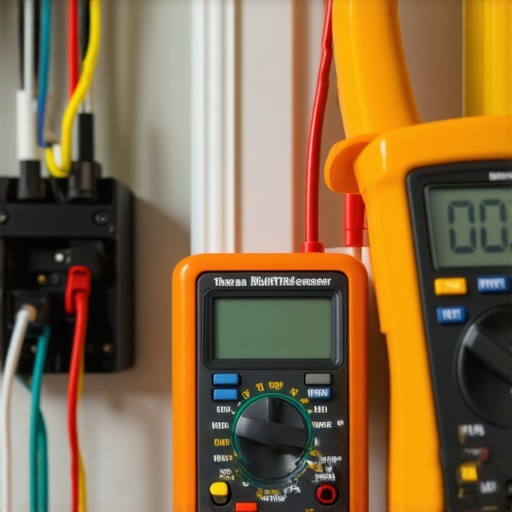
Maintaining your EV charging setup doesn’t have to be a guessing game. I rely on specific tools that offer accuracy and efficiency, ensuring my system remains compliant and reliable. One such essential device is a high-quality digital multimeter, which I use daily to verify voltage stability and identify wiring issues early. It allows me to quickly detect voltage drops or anomalies that could compromise safely charging your vehicle.
Another invaluable tool is a load tester. I use this to simulate the actual load conditions of my EV charger, helping me monitor how my electrical system performs under real-world demands. This proactive approach helps prevent unexpected outages, especially for higher demand models like the 2026 smart chargers.
Furthermore, I employ a thermal camera to scan connection points and wiring for hot spots. This prevents overheating and potential fire hazards. In my experience, catching these issues early saves time and keeps my system code-compliant and safe.
Leverage Smart Software for Long-Term Peace of Mind
Beyond physical tools, I recommend integrating software solutions that monitor and log your electrical system’s health. For example, I use a power quality analyzer connected to my system, which tracks voltage fluctuations, frequency variations, and overall power quality over days or weeks. This data-driven insight helps me plan maintenance schedules and upgrade critical components before failures occur.
Additionally, firmware updates from your charger’s manufacturer should be a part of your ongoing maintenance. Regularly checking and installing available updates ensures your device benefits from the latest improvements, bug fixes, and security patches—vital for keeping your system compliant with evolving standards.
Plan for Future Upgrades and Scaling
As your needs grow, scaling your system responsibly is crucial. Preemptively upgrading your electrical panel with modern, code-compliant components—like those outlined in this guide—can save headaches later. When expanding, ensure tools like load calculators are used to verify that your setup can handle additional load without risking code violations or safety hazards.
Don’t forget that ongoing inspections and professional consultations play a pivotal role in long-term reliability. Schedule periodic site assessments with licensed electricians who are familiar with current standards—especially considering recent updates in the 2026 NEC regulations. They can identify potential issues before they become costly problems.
How do I maintain my EV charging system over time?
The key is a combination of precise tools, consistent inspections, and staying updated with the latest guidelines. By investing in a solid multimeter, load tester, and thermal camera, you’re equipping yourself to catch problems early. Regular software updates and professional checkups reinforce your system’s integrity, ensuring safe, code-compliant charging for the years ahead. Remember, proactive maintenance isn’t just about avoiding failures—it’s about protecting your investment and safety. For tailored advice or advanced troubleshooting, reach out to experts through our contact page.
What the Experts Keep Quiet About Panel Upgrades and Code Compliance
One of the biggest revelations I had was realizing that upgrading my electrical panel isn’t just about capacity—it’s about understanding how each component works together to keep my home safe and compliant. I once thought a bigger breaker meant I was set, but I overlooked crucial details like proper grounding and adherence to the latest NEC standards, which could have led to costly violations or hazards. The lightbulb moment was knowing that comprehensive knowledge, rather than just raw power, determines true safety in EV charging systems.
Another lesson learned firsthand was the importance of routine, expert-level inspections. I used to assume that once my system was installed correctly, I could forget about it. But regular checks with tools like a thermal camera and load tester revealed tiny issues—like loose connections—that could have escalated into major problems. Staying engaged with ongoing maintenance and understanding evolving code requirements keeps my system reliable and protected against surprises.
Additionally, I discovered that manufacturers’ firmware updates are more than just bug fixes—they’re critical for ensuring compatibility with new standards and Features. Ignoring these updates can leave your system vulnerable or inoperative. Keeping software current is a simple but powerful habit that ensures your EV charger functions safely within the latest regulations and technological advancements.
My Arsenal for Safe, Compliant EV Charging
Over time, I’ve come to trust a handful of tools that make troubleshooting and maintenance second nature. The core of my toolkit is a high-quality digital multimeter, which helps me verify voltage stability and catch wiring issues before they cause disruptions. I also rely on a load tester to simulate real-world demands, ensuring my system can handle future expansions.
A thermal camera has become indispensable for spotting hot spots that could indicate loose connections or overloaded wires—preventing fire hazards before they start. For software health, a power quality analyzer provides ongoing insights into voltage fluctuations and overall system stability. These tools have transformed my approach from reactive to proactive, giving me peace of mind that my EV charging setup is both safe and efficient.
Future-Proofing Your Charging Experience
Thinking ahead about scaling your system involves understanding the true scope of safe installations. Planning for future upgrades means investing in a flexible, code-compliant electrical panel and conducting detailed load calculations. As standards evolve—especially with the new 2026 regulations—it’s comforting to know that proactive planning can save both money and safety risks down the line.
Building a relationship with a licensed electrician familiar with current standards like those outlined in this comprehensive guide ensures your system remains compliant for years to come. Remember, careful planning and regular maintenance are not just best practices—they’re your shield against unexpected failures and fines.
Keep the Momentum Alive**
Your journey to a safer, more reliable EV charging setup doesn’t end after the initial upgrade. Regularly assessing your system with trusted tools, staying informed about code changes, and consulting with professionals can make all the difference. Empower yourself with knowledge and the right equipment, and you’ll charge with confidence, knowing your home and loved ones are protected.
Have you found a particular tool or practice that has saved your system from trouble? Share your experiences below—I’d love to hear about your wins and lessons learned!