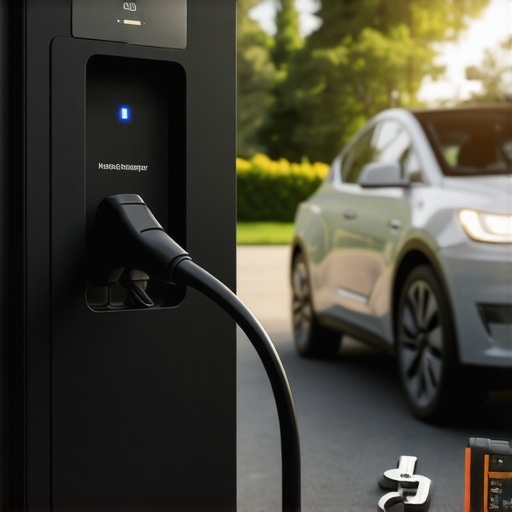

Why Your Home EV Charger Won’t Start: 3 Fast 2026 Fixes
Ever had that moment where you eagerly plug in your electric vehicle, only to be met with stubborn silence from your home charger? It’s a sinking feeling I know all too well. One evening, I was ready to hit the road, the charger was connected, yet nothing happened. No power. No charging. Just frustration. That lightbulb moment hit me—sometimes the simplest issues can cause the biggest headaches. And let me tell you, figuring out why my charger refused to start became a quest that saved me hours of stress and money. Today, I want to share that journey with you, especially if you’re facing a similar standstill. Because, believe me, understanding the common culprits can turn a charging nightmare into a quick fix. If you’ve ever wondered, “Why won’t my EV charger turn on?” you’re in the right place. We’re about to dive into three fast solutions to get your home charging back on track, making your EV experience smooth and reliable. This isn’t just guesswork—these are practical steps backed by electrical expertise and real-world troubleshooting. Ready to solve that stubborn charger issue once and for all? Let’s get started.
Don’t Ignore the Power Supply: Here’s Why It’s Critical
One of the biggest mistakes I made early on was overlooking the basics—like ensuring my home’s electrical system could support my EV charger. It’s easy to assume that just plugging in is enough, but your charger’s performance depends heavily on a stable and adequate power supply. A quick check of your circuit breaker can reveal whether your system is overloaded or if a fuse has blown. Sometimes, your home’s electrical panel needs an upgrade to handle the additional load from high-capacity EV chargers, especially as we move toward 2026 regulations emphasizing safety and code compliance. To get a clearer picture, I recommend consulting a professional and even reviewing your current setup. There are many things that can disrupt power, from a tripped breaker to subtle wiring issues, which might be causing the silent treatment from your charger. For detailed guidance, you might want to explore resources on panel upgrades for better EV performance. Recognizing these potential hurdles early can save you a lot of trouble down the line.
Is Your Home Essentially Sending Mixed Signals?
Many homeowners worry,
Check Your Circuit Breaker Immediately
First, locate your electrical panel and inspect the circuit breaker dedicated to your EV charger. If it’s tripped, reset it by flipping it fully off, then on again. I once found my breaker tripped after a storm disrupted my power supply; resetting it restored charging in minutes. Always ensure the breaker is on and shows no signs of damage or burning smell, which indicates deeper wiring issues. If resetting doesn’t revive your charger, move to reviewing your wiring integrity or consider consulting a professional. For more detailed guidance, visit this troubleshooting resource. Ensuring your breaker is properly functioning prevents unnecessary power disruptions and reduces potential hazards.
Evaluate Your Home’s Electrical Capacity
Next, assess whether your home’s electrical system can support your EV charger’s power demand. Many standard circuits are inadequate for high-capacity chargers, which can cause the charger to remain inactive. I had a 50 amp circuit but realized my panel lacked the capacity for a full 48 amps, leading to persistent startup issues. You can verify this by checking your panel’s labels or consulting a licensed electrician. If your system is underpowered, consider upgrading your electrical panel. For a seamless upgrade, explore panel upgrade options here. An adequate power supply will ensure your charger operates at peak efficiency and prevents tripping or damage.
Assess Wiring and Connections for Faults
Faulty wiring or loose connections are common culprits for charging failures. Carefully inspect accessible wiring for signs of corrosion, burn marks, or looseness. I once noticed a frayed wire connection at the charger’s terminal, which caused intermittent power. Turn off power before inspecting and, if unsure, hire a professional to verify wiring integrity. Use this expert guide to troubleshoot wiring issues safely. Properly secured and undamaged wiring ensures stable delivery of power and prevents safety hazards.
Verify Code Compliance and Permits
Installing or modifying your EV charging setup without code compliance can lead to safety issues and future legal problems. Double-check that your installation adheres to local electrical codes by consulting a licensed electrician or reviewing this compliance checklist. During my installation, I ensured all wiring and outlets met current standards, which passed inspection smoothly. Avoid fines or safety hazards by ensuring your setup meets all requirements, especially as standards evolve pre-2026. Proper compliance not only safeguards your home but also maximizes your charger’s lifespan.
Test Your EV Charger Systematically
After confirming power supply and wiring, perform a systematic test. Connect your charger and monitor its response. Listen for humming sounds or indicator lights that suggest activity. If the charger still refuses to start, try resetting it or disconnecting and reconnecting the power. My initial tests revealed a loose connection that, once tightened, restored proper function. Use this troubleshooting checklist to methodically identify issues. Document any error codes or abnormal behaviors for reference when consulting professionals.
Seek Professional Support When Necessary
If these steps don’t resolve your charging problem, it’s time to contact an electrician. They can perform in-depth diagnostics, upgrade your panel if needed, and ensure full code compliance. For trusted assistance, visit Bright Sparks Electric. When I faced stubborn issues, a licensed technician identified a hidden wiring fault, saving me from potential fire hazards and costly replacements. Never attempt complex electrical repairs beyond your expertise. Professional support guarantees safety, compliance, and long-term reliability of your charging setup.
Many homeowners believe that complying with electrical codes or upgrading panels is a straightforward process, but the reality is more nuanced. A widespread myth is that accepting generic solutions or DIY fixes always guarantees safety and legality. In truth, there are critical intricacies that even seasoned DIY enthusiasts often overlook, risking safety violations or inefficient upgrades. One common trap is assuming that simply installing an EV charger without thorough code verification suffices; however, understanding the specific local requirements is essential. According to electrical safety experts, the complexity of modern EV charging systems demands meticulous attention to code details to prevent future hazards and fines. For instance, failing to upgrade your panel to accommodate higher amperage demands can cause intermittent power issues or even damage to your electrical system. Have you ever fallen into this trap? Let me know in the comments. It’s vital to recognize that not all panel upgrades are equal—some require precise sizing, type, and compliance checks. Visiting this guide on electrical safety for panel upgrades can help you distinguish between superficial fixes and comprehensive, compliant solutions.
Key Pitfall: Relying Solely on Visual Inspection for Code Compliance
One advanced mistake is trusting your eyes alone to ensure wiring and connections meet code standards. Visual checks might not reveal hidden issues like overloaded circuits or outdated wiring insulation that could fail under load. Professionals use diagnostic tools and detailed inspections to verify compliance, especially with evolving standards around 2026. Ignoring these nuances can lead to equipment failure or safety violations. An effective approach involves systematic testing and consultation with licensed electricians who follow recommended practices for code adherence. Remember, proper documentation and certification are your best safeguards against future legal problems and safety hazards.
This is where many get tripped up—thinking that a quick fix or local permit approval equates to full compliance. As noted by industry experts, ongoing updates in electrical codes especially target residential EV setups, making continuous education and professional assessments crucial. Recognizing that code compliance is a moving target helps you stay ahead and ensures long-term safety. For a detailed look, explore this expert troubleshooting resource.
By understanding these advanced nuances, you’ll be better positioned to make informed decisions about your EV charging setup. Don’t settle for minimal compliance; aim for comprehensive safety and efficiency. If you’re unsure about your current system, consider consulting professionals who keep up with industry standards and local regulations. This approach not only ensures safety but also prolongs the lifespan of your equipment, saving you money and stress down the line. After all, when it comes to your home and safety, cutting corners is never advisable—especially with high-voltage systems like EV chargers. For personalized assistance, reach out through this contact page to get expert advice tailored to your setup.
Maintaining a reliable EV charging setup isn’t just about fixing issues as they arise; it requires a proactive approach with the right tools and methods. As someone who’s navigated the complexities of residential electrical systems, I can attest that investing in quality equipment makes all the difference in long-term performance and safety.
Why Invest in a High-Quality Circuit Tester
I personally rely on a digital multimeter like the Fluke 117 to verify voltage consistency and detect anomalies in my home’s wiring. Its precise readings help me identify problems such as voltage drops or faulty connections before they escalate. Additionally, a non-contact voltage tester enables quick, safe assessments of outlets and wiring without the need to power down the system. Regularly checking your circuits with these tools ensures your EV charger receives stable power, reducing unexpected failures and safety hazards.
Implement Systematic Troubleshooting with Specialized Software
Modern EV chargers often come with diagnostic software or companion apps that display error codes and system health reports. I use the ChargePoint app to monitor my charger’s status and receive real-time alerts if anything deviates from normal operation. These digital tools allow for swift troubleshooting, minimizing downtime. As technology advances, expect these software solutions to become even more integrated, offering predictive maintenance insights that can notify you when a component may need replacement or upgrade.
Prioritize Visual Inspections and Preventative Maintenance
Every few months, I perform a thorough visual inspection of wiring connections, circuit breakers, and the charger itself. Using a bright LED flashlight and a mirror, I look for corrosion, burn marks, or loose fittings. Keeping connections tight and free of corrosion prolongs the lifespan and ensures safety. Setting a calendar reminder for such inspections helps instill disciplined maintenance routines, which are crucial given that local codes may evolve, impacting your system’s compliance and safety.
Predict Future Trends with Smart Home Integration
Looking ahead, integrating your EV charging system with a smart home hub can provide valuable data on energy consumption and system performance. Devices like the Sense Energy Monitor can track your home’s electrical usage, alerting you to unusual patterns that may indicate underlying issues. This proactive approach not only enhances safety but also optimizes energy costs, especially as regulations become more stringent around EV infrastructure.
How do I maintain my EV charging system over time?
Consistent routine checks with tools like digital multimeters and diagnostic apps, combined with visual inspections, form the backbone of effective maintenance. Staying up to date with local electrical code updates and consulting a professional periodically ensures your system remains compliant. Remember, investing in quality tools now saves huge expenses later and keeps your charging experience seamless. For expert assistance in upgrading or troubleshooting your system, don’t hesitate to reach out. Start by trying out a comprehensive system check using your multimeter today — it’s a simple first step toward peace of mind.
Lessons From My Own Charging Confusions
One of the hardest lessons I learned was the importance of truly understanding my home’s electrical system before installing or troubleshooting my EV charger. Jumping into fixes without full knowledge can lead to wasted time, added costs, and safety risks. For example, I once assumed my existing panel was sufficient, only to discover later that it couldn’t handle the new load, resulting in frequent trips. That experience taught me to prioritize comprehensive system assessments and consult professionals early on, which saved me from potential hazards and future expenses. Additionally, trusting superficial inspections can be dangerous; I now rely on diagnostic tools that provide real data instead of just visual clues. These insights reinforced that thorough preparation and a cautious approach are essential for reliable and safe EV charging. If you want to avoid my pitfalls, remember that detailed knowledge and professional guidance make all the difference.
Reading through this article really highlights how often overlooked the basics are when troubleshooting EV chargers. It’s so true that many homeowners jump straight into complex fixes without confirming their home’s electrical capacity or checking the circuit breaker first. I remember when I first installed my charger, I underestimated my panel’s load capacity and kept experiencing power trips, which was quite frustrating. After upgrading my electrical panel following a professional assessment, everything ran smoothly. The point about using proper diagnostic tools really resonated with me—outdated wiring or loose connections can be subtle but critical issues. For anyone facing similar problems, I’d suggest starting with a simple visual inspection and testing voltage with a multimeter before calling in an electrician. Has anyone here tried smart home integrations or diagnostic apps to monitor their EV setup? I’d love to hear what works best for everyone.