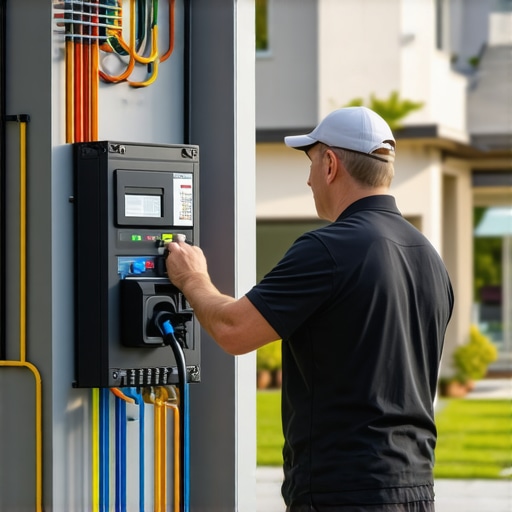

Affordable Electrical: Expert Panel Upgrade & EV Charger Code Tips
It was a scorching summer afternoon when I finally decided to install my first home EV charger. What started as an exciting upgrade quickly turned into a frustrating puzzle. The charger kept blinking, refusing to connect, and I was left scrambling, questioning whether I had overlooked something critical. That moment was my lightbulb—realizing that without proper code compliance and a reliable panel upgrade, I was paving the way for future headaches and safety risks. Have you faced similar struggles trying to get your EV charger to work right, only to hit mysterious snags?
Why Skipping Code Checks Can Cost You Big Time
Installing an EV charger isn’t just about plugging in and hitting the switch. It involves a web of electrical codes designed to keep your home safe and ensure your charger performs optimally. Early in my journey, I made a rookie mistake—thinking that a simple outlet upgrade was enough. Turns out, neglecting to verify code compliance can lead to safety hazards, such as electrical fires or damage to the vehicle’s charging system. According to the National Fire Protection Association, improper electrical installations account for approximately 44% of home electrical fires each year, emphasizing the importance of adhering to safety standards.
To avoid these pitfalls, understanding the nuances of local electrical codes and making appropriate panel upgrades is essential. Doing so not only safeguards your home but also ensures your EV charging station operates reliably. For practical tips and comprehensive guidance, I recommend reviewing resources like [ensuring code compliance when installing EV chargers](https://brightsparkzelectric.com/ensuring-code-compliance-when-installing-ev-chargers) to start your journey on the right foot.
In the sections ahead, I’ll share how you can identify if your current setup meets code requirements, the critical role of a proper panel upgrade, and the best practices to keep your EV charging safe and hassle-free. Ready to get started? Let’s dive into the practical steps that will help you avoid common mistakes and get your EV charger working safely and efficiently.
Assess Your Electrical System Thoroughly
Before diving into installation, evaluate your home’s current electrical panel. Think of it as checking the foundation before building a house; if your foundation isn’t solid, the entire structure is at risk. Turn off the main power, then open your panel to inspect its capacity and wiring. Look for labels indicating amperage and ensure there’s room for a dedicated circuit for your EV charger. Remember, a panel that’s already overloaded is like trying to fit a new engine into a cramped engine bay—it just won’t work efficiently. If your panel isn’t up to the task, consider consulting a licensed electrician to determine if a panel upgrade is necessary. Doing this ensures your setup can handle the additional load safely and helps you avoid voltage drops that could damage your charger or vehicle.
Verify Local Code Compliance with Precision
Next, familiarize yourself with your area’s electrical codes, which act like traffic laws keeping everyone safe on the road. Use official resources or consult a local professional—never assume what worked elsewhere applies here. During my first attempt, I thought a simple plug-and-play was enough, but after reviewing code requirements, I realized I needed specific wiring, grounding, and perhaps permits. It’s akin to assembling furniture—you need the right tools and instructions, or you’ll end up with wobbling shelves or missing screws. The process involves checking for proper grounding, correct wire gauge, breaker sizing, and adherence to fire safety standards. Use a checklist or hire a licensed electrician for confirmation, especially if your home is older or has outdated wiring.
Upgrade Your Panel for Safe, Reliable Power
Imagine adding a new highway lane to reduce traffic congestion; a panel upgrade does the same for your electrical system. Not only does this support your EV charger, but it also maintains overall home safety. I learned this firsthand when I installed my charger and unexpectedly tripped my breaker—an early warning sign that my panel was underprepared. To prevent this, engage in panel upgrades designed specifically for EV charging, which include adding dedicated breakers, ensuring sufficient amperage, and installing additional capacity. This step acts as the backbone of your safe charging station, much like reinforcing a bridge before heavy traffic begins.
Practical Steps to Keep Everything Running Smoothly
Once the panel is upgraded and code compliant, focus on proper wiring and installation practices. Use a high-quality, dedicated circuit line for your charger, and double-check all connections. Think of wiring as the veins delivering vital power—poor connections are like clogged arteries, risking overloads or failures. It’s best to work with a trained electrician who can ensure everything aligns with safety standards and local code requirements. After installation, verify that the system powers up correctly and that no breaker trips occur—this is your real-world test of a sound setup. If issues arise, tools like troubleshooting guides can be invaluable, helping identify whether the problem stems from wiring, grounding, or breaker capacity. Remember, the goal is a seamless, safe charging experience that minimizes risks and maximizes reliability.Many homeowners assume that installing an EV charger is a straightforward plug-and-play task, but this oversimplification often leads to costly mistakes. Contrary to the popular belief that simple outlets suffice, advanced installation requires meticulous attention to **code compliance** and proper panel upgrades to ensure safety and reliability. Skipping these steps isn’t just negligent—it can result in electrical fires or damage to your vehicle, as improper wiring or inadequate capacity overstress your home’s electrical system. An often overlooked nuance is the importance of understanding the actual load your household wiring can handle; many don’t realize that their existing panel may be already maxed out, making an upgrade essential before installation. If you misjudge this, you risk breaker trips or even fire hazards, which are far more dangerous than the headache of troubleshooting later. According to electrical safety experts, around 44% of home electrical fires are caused by outdated or improperly installed wiring—highlighting how critical rigorous compliance checks are. To avoid these pitfalls, it’s crucial to verify your system’s capacity and ensure adherence to local standards, leveraging resources like compliance guidelines. Furthermore, common myths such as the notion that your current panel can handle future EVs are misleading; professionals recommend upgrading your panel proactively, not as a reaction to problems. This proactive step saves money and enhances safety, especially given that EV charging can draw significant power. Have you ever fallen into this trap? Let me know in the comments and I’ll help you navigate the complexities of safe installation.Once you’ve completed your installation and ensured code compliance, the next crucial step is to keep everything running smoothly over years of use. Reliable operation depends heavily on regular inspections, the right tools, and understanding how to troubleshoot before small issues become major problems. The key is to implement a maintenance routine that includes periodic visual checks, testing connections, and keeping your software and firmware up to date. Using specialized tools like a multimeter allows you to measure voltage and verify wiring integrity without needing to call in an electrician every time. For example, I personally use a Fluke 117 multimeter, appreciated for its durability and precision—it’s invaluable for testing breaker output and grounding effectiveness. Additionally, investing in a Bluetooth-enabled diagnostic device compatible with your EV charger model enables remote monitoring and quick alerts if something goes awry, saving time and preventing damage. In the future, I predict we’ll see dashboards integrated into smart home systems that continually monitor electrical loads and system health, making maintenance more proactive than reactive.
How do I maintain my EV charger system over time?
Start by scheduling annual inspections with a licensed electrician familiar with EV charging infrastructure. They can perform comprehensive wiring evaluations, check for signs of wear, and verify that your system still complies with evolving codes—especially important if your electrical needs have grown or you’ve made additional home upgrades. Additionally, regularly update your charger’s firmware, as manufacturers often release patches that improve performance and security. Don’t forget to clean your charging station and inspect connectors for corrosion or dirt buildup, which can impede charging efficiency. Document any issues or irregularities you notice during these inspections and record them to track trends—this can be invaluable if troubleshooting is required later. Remember, keeping a detailed log of maintenance activities not only ensures safety but also adds value if you decide to upgrade or sell your home. Try implementing a simple checklist based on manufacturer recommendations and your own observations; this proactive approach will prolong your system’s lifespan and optimize charging speed. For expert guidance tailored to your setup, consider consulting specialized resources or reaching out through trusted service providers. Maintaining your EV charging station might seem straightforward, but attention to detail pays off by ensuring safety and reliability in the long run. Want to get started? Equip yourself with a trusted multimeter and set up a routine inspection schedule today.
Throughout my experience with installing and maintaining an EV charger, I’ve uncovered nuances that often go unnoticed but are critical for safe and reliable charging. One of the most profound lessons was how easily assumptions can lead to overlooked risks—like believing a simple outlet upgrade suffices when, in reality, the electrical system might need a complete overhaul. Recognizing this early on saved me from potential hazards and costly repairs.
Secrets That Could Transform Your Charging Setup
- Lifecycle Knowledge Matters: Understanding how your electrical panel ages and its capacity helps anticipate future upgrades, preventing unexpected outages. Get familiar with your home’s electrical history, so you’re not caught off guard.
- Local Codes Are Not Optional: I’ve learned that compliance isn’t just bureaucratic red tape—it’s your safeguard against hazards. Always verify your local standards and consult professionals when in doubt, which could be the difference between safe charging and disaster.
- Proactive Panel Upgrades Save Money: Waiting until issues arise often leads to expensive emergency fixes. Upgrading your panel early ensures you accommodate your EV needs seamlessly, protecting your investment and safety.
- Regular Maintenance Is a Game Changer: Routine inspections, firmware updates, and connection checks keep your system in top shape. Think of it as regular health check-ups; prevention beats cure every time.
- Empowering Yourself with Knowledge: Mastering troubleshooting basics gives confidence and quick resolution for common issues, reducing downtime and frustration. A small toolkit and some guidance can make a significant difference.
Tools That Elevated My Confidence in EV Charging
- Reliable Multimeters like the Fluke 117: Precise diagnostics at home provided peace of mind, pinpointing issues without waiting for specialists.
- Smart Monitoring Devices: Remote system alerts mean I caught problems early, avoiding costly damage or safety risks.
- Educational Resources: Clear guides and checklists, especially from trusted sources, made complex code compliance understandable and manageable.
- Professional Contacts: Building relationships with licensed electricians provided expert insights tailored to my home’s specifics.
Keep Your Charge Strong and Safe
Embarking on your EV charging journey might seem daunting at first, but with committed learning and proactive steps, you’ll ensure safety, efficiency, and peace of mind. Remember, the key isn’t just installing an EV charger—it’s creating a system that’s reliable for years to come. Your dedication today can prevent headaches tomorrow.
What step are you most excited to tackle next in your EV charging setup? Share your thoughts below—your experience might help others avoid common pitfalls and embrace safe, effective charging!
Reading this post really resonated with my own experience installing an EV charger last year. I initially thought I could get by with just a simple outlet upgrade, but I quickly ran into issues where the charger kept blinking and wouldn’t connect properly. It made me realize how critical it is to check that your electrical panel can handle the additional load and that all wiring complies with local codes. One thing I found especially helpful was consulting a licensed electrician early on to assess my panel’s capacity. Do others here recommend any specific tools or resources for verifying code compliance before starting installation? I also learned that regular maintenance, like testing connections and updating firmware, can prevent many problems down the line. How do you all keep your systems in check over time? Thinking of setting up a routine to avoid surprises in the future.
This post really highlights the importance of doing thorough groundwork before installing an EV charger. I had a similar experience where I thought a simple outlet was enough, but once I added up the load and checked my panel capacity, it was clear I needed a full upgrade to prevent future problems. I also found that involving a licensed electrician early on saved me from some costly mistakes. Regarding code compliance, I’ve used tools like the NEC guidelines and local electrical codes, but I’m curious—what’s everyone’s go-to resource for navigating local regulations? I’ve heard that sometimes, even with proper upgrades, older homes can have hidden wiring issues that aren’t immediately obvious. Do any of you have tips on how to spot these risks during inspections? I agree that regular maintenance is key to long-term reliability—it’s easy to overlook but can save a lot of headaches later on. How often do you all schedule inspections or maintenance for your home EV setups? Would love to hear your routines or any advice to keep everything running smoothly.