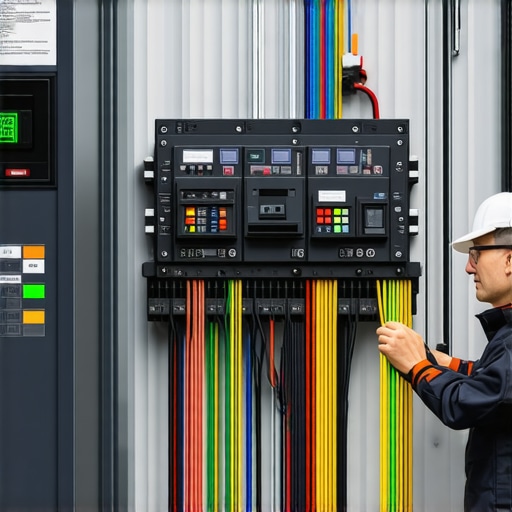

Essential Guide to Code Compliance & Panel Upgrades for Safe EV Charging
Ever had that sinking feeling when your EV charger suddenly stops working or, worse, sparks during installation? I’ve been there. I thought I could just plug it in and go. Turns out, a simple mistake early on could have caused serious safety hazards or even legal trouble. That lightbulb moment led me down a rabbit hole of code compliance and panel upgrades that, frankly, saved my home and peace of mind.
Why Overlooking Code Compliance Can Cost You Big
When I first installed my EV charger, I underestimated the importance of following electrical codes and ensuring my panel could handle the load. I was eager to get charging and overlooked some critical safety steps. The result? A tripped breaker, a weekend of troubleshooting, and a stark reminder that safety isn’t something to skimp on. According to the National Fire Protection Association, improper electrical installations are responsible for a significant number of home fires annually, many linked to EV chargers and inadequate wiring.
So, what’s the fix? How do you ensure your setup is safe, legal, and reliable? That’s what I’ll cover today. From understanding the basics of code compliance to knowing when your panel needs an upgrade, I’ll walk you through the essential steps to make your EV charging experience smooth, safe, and future-proof.
Have you faced troubles with your EV charger not working properly after installation?
If yes, you’re not alone. Many homeowners discover the hard way that skipping over proper code checks can lead to headaches. The good news? With a bit of guidance and the right upgrades, you can avoid these pitfalls and enjoy hassle-free charging.
Let’s get into the nitty-gritty of what needs to be done to keep everything safe and compliant. Because when it comes to your home and loved ones, safety should never be an afterthought. Ready to dive into the steps that will help you avoid costly mistakes and enjoy reliable, safe EV charging? Excellent. We’ll start with the basics of code compliance and how to determine if your electrical panel needs an upgrade.
Check Your Electrical Panel First
When I decided to add an EV charger, the first thing I did was inspect my existing electrical panel. Think of your panel as the heart of your home’s electrical system—if it’s outdated or overloaded, it’s like trying to pour water through a narrow pipe. I turned off the main breaker, took a close look at the panel’s capacity, and counted the available slots for new breakers. If your panel is more than 20 years old or nearing capacity, it’s time to consider a panel upgrade. For detailed guidance, I referenced panel upgrades for EV chargers.
Many homeowners believe they can simply follow the basic steps for installing an EV charger and be done with it. However, this misconception can lead to overlooked details that are crucial for ensuring safety and compliance. Let’s dig deeper into what most people get wrong about installing EV chargers and how understanding these nuances can save you from costly mistakes.
Think All Electrical Panels Are Created Equal
One common myth is that if your panel looks modern, it automatically meets the requirements for EV charging. In reality, panels differ significantly in capacity and configuration. An outdated or undersized panel can cause frequent tripping or even fire hazards if not upgraded properly. Panel upgrades are often underestimated, but they are essential for safe and reliable charging, especially as EVs become more common.
Overlooking the Importance of Proper Grounding and Wiring
Many installers focus on the physical placement of the charger but neglect the wiring and grounding specifics. Incorrect grounding can lead to electric shocks or damage to the charger. Advanced installations require careful adherence to local codes and manufacturer instructions. Skipping these steps might seem insignificant but can have serious safety repercussions. For expert guidance, check out ensuring code compliance.
What Advanced Homeowners Should Know About Circuit Load Calculations
Basic calculations often assume a standard load, but advanced setups need detailed load analysis considering other appliances and future expansion. Misjudging the load can overload your system or underutilize your panel, leading to inefficiency and potential safety issues. It’s wise to consult an electrical professional who can perform comprehensive load calculations and verify that your system can handle current and future demands.
Remember, skipping proper load assessment and wiring inspections can trap you into ongoing troubleshooting and potential hazards. For troubleshooting common issues, explore expert troubleshooting tips.
Have You Ever Fallen Into This Trap? Let Me Know in the Comments
Understanding these hidden nuances isn’t just about compliance; it’s about peace of mind and safety. If you’re unsure about your setup or want to ensure everything is up to code, consulting a licensed electrician is the best step forward. Don’t wait until a problem arises—being proactive can save you time, money, and stress in the long run.
Keeping your EV charger running smoothly over time requires more than just a one-time installation. Regular maintenance and the right tools can extend the lifespan of your charger, prevent unexpected failures, and ensure safety for your household. In my experience, incorporating specific equipment and software into your routine makes all the difference in maintaining optimal performance.
Why Investing in a Quality Multimeter Matters
A high-quality digital multimeter is an indispensable tool for any EV charger owner. I personally rely on the Fluke 117 Electrician Multimeter because of its accuracy, durability, and ease of use. It helps me verify circuit voltages, check wiring integrity, and troubleshoot connection issues without calling in an electrician every time. Regular testing with a multimeter can catch wiring degradation or voltage drops early, saving you money and frustration.
Smart Monitoring Systems for Long-Term Peace of Mind
Beyond basic tools, I recommend installing smart monitoring systems like the ChargePoint Home Flex App. These systems provide real-time data on charging performance, power consumption, and potential issues. Over time, they help identify patterns—like inconsistent power delivery—that might indicate wiring problems or panel overload. As home automation advances, these tools will become even more integrated, allowing remote diagnostics and automatic alerts, which are invaluable for keeping your system reliable.
Scheduled Inspections: Don’t Skimp on Preventive Checks
Even with the best tools, nothing replaces a professional inspection. I schedule annual check-ups with a licensed electrician to verify grounding, wiring integrity, and panel capacity. During these visits, they use specialized diagnostic equipment to assess circuit load, detect potential faults, and recommend upgrades if necessary. This proactive approach helps avoid costly repairs and ensures my setup complies with evolving code standards.
Keeping It Working: How Do I Maintain EV Charging Over Time?
Consistency is key. Regularly clean and inspect your charger and cables for dust, corrosion, or physical damage. Use a multimeter to verify proper voltage levels periodically, especially if you notice slower charging or intermittent connection issues. Keep your monitoring system updated with the latest firmware and review the data for irregularities. When in doubt, consult a professional—particularly if your load calculations suggest future expansion or if you plan to upgrade your panel. The trend in EV charging points toward smarter, more integrated systems that simplify maintenance and improve safety, so staying ahead with these tools will serve you well in the coming years.
Take the time to invest in quality equipment and routine checks. For instance, regularly testing your wiring with a multimeter or updating your monitoring software can prevent many common issues. Try implementing a scheduled inspection or diagnostic check this month. These small steps will help ensure your EV charger remains reliable, safe, and ready for the long haul. If you want expert advice tailored to your setup, don’t hesitate to reach out to a licensed electrician. Keeping your system in top shape isn’t just about safety; it’s about peace of mind for the future.
The Hardest Lesson I Learned About EV Charger Safety
One of my biggest surprises was realizing how crucial it is to verify your electrical panel’s capacity before installation. I once thought a modern-looking panel meant I was good to go, but I overlooked the importance of load calculations. This mistake led to frequent tripping and potential safety hazards, teaching me that a detailed assessment is non-negotiable. Panel upgrades are often underestimated but essential for safe, reliable charging.
Three Myths About EV Charging That Held Me Back
I believed that just plugging in was enough, but the truth is, proper grounding and wiring are critical for safety. Many homeowners skip these steps, risking electric shocks or fires. It’s vital to follow local codes and manufacturer instructions meticulously. Trust me, consulting professional resources like ensuring code compliance can save you from costly errors.
What Experts Won’t Tell You About Long-Term EV Charger Maintenance
Regular inspections and testing are often overlooked. I learned that scheduling annual professional check-ups and using a reliable multimeter, such as the Fluke 117 Electrician Multimeter, can catch issues early. Installing smart monitoring systems like ChargePoint enhances long-term reliability by providing real-time data and alerts. These small investments in routine maintenance have kept my charger running smoothly for years.