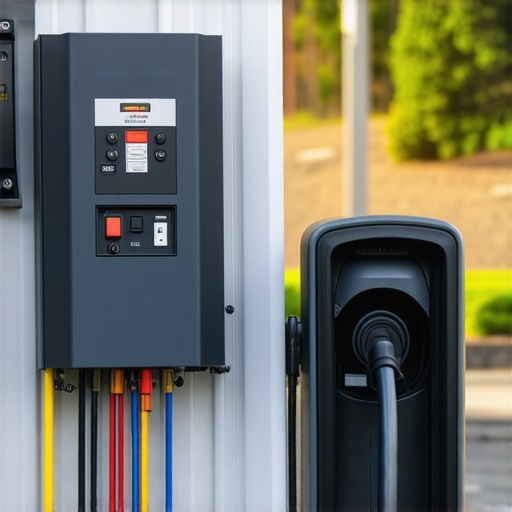

Mastering Code Compliance & Panel Upgrades for Safe EV Charging
Ever experienced that sinking feeling when your brand-new EV charger flickers or refuses to turn on, and you realize your home’s electrical setup might be the culprit? I’ve been there, scratching my head, thinking, “Did I do something wrong?” It’s frustrating and, honestly, a bit scary. But here’s the truth: many homeowners overlook the importance of proper code compliance and panel upgrades—until it’s too late.
Why This Matters More Than Ever
With electric vehicles becoming more common, the demand for reliable, safe home charging solutions has skyrocketed. However, without understanding and implementing the right electrical standards, you risk not only damaging your equipment but also compromising your safety. A recent study showed that improper electrical setups are responsible for a significant number of residential fires—many of which could be prevented with proper upgrades and compliance checks. This is not just about avoiding fines or inspections; it’s about protecting your family and home.
Early in my journey, I made the mistake of installing an EV charger without verifying if my panel could handle the load. The result? Frequent trips of my breaker, confused troubleshooting, and a lingering doubt that I might have put my house at risk. That mistake taught me a vital lesson: understanding and upgrading your electrical system isn’t optional—it’s essential.
Is It Really Worth All the Fuss?
Initially, I wondered if all this fuss about code compliance and panel upgrades was just technical overkill. But when I dug deeper, I found that proper upgrades significantly improve charging speed, reliability, and most importantly, safety. Plus, compliance isn’t just a bureaucratic hurdle; it’s the foundation of a safe and efficient EV charging experience. If you’re like me, wanting your charger to work smoothly and safely, then this guide will show you how to master the essentials.
So, if you’ve faced the frustration of unreliable charging, or worse, worried about electrical hazards lurking behind your walls, you’re not alone. Let’s explore how you can confidently navigate the world of code compliance and panel upgrades for a safer, more reliable EV home charging setup. Ready to get started? Let’s dive into the practical steps that will turn your home into a safe haven for your EV adventures.
Assess Your Electrical Panel’s Capacity
Start by inspecting your existing electrical panel to understand its current load capacity. Think of your panel as a highway; if it’s already busy with cars (electrical loads), adding a new EV charger is like opening a new lane. If your panel is outdated or nearing capacity, it’s time to consider a panel upgrade. I once attempted to install my charger without this check and kept tripping the breaker—an easy mistake that could have been avoided with a simple capacity assessment.
How to Check Your Panel
Turn off all appliances, open your panel, and note the main breaker’s rating. Then, sum up the amperages of all circuits in use. If the total nears or exceeds the panel’s capacity, it’s a clear sign you need an upgrade. For detailed guidance, see expert tips for troubleshooting.
Ensure Code Compliance Before Installation
Code compliance is your safety net. It ensures that your installation meets local electrical standards, reducing the risk of fire or shock. The National Electrical Code (NEC) has specific requirements for EV charging stations, such as dedicated circuits and proper wiring methods. I learned this firsthand when my initial setup failed inspection due to improper grounding—something easily overlooked without proper knowledge. To verify your setup, consult this comprehensive guide.
Steps to Verify Compliance
Hire a licensed electrician to review your plans and inspect your work. They will verify grounding, circuit protection, and wiring methods. Use a checklist aligned with official code standards. Remember, DIY is risky when it comes to electrical work—trust professionals for safety and compliance.
Plan for Effective Panel Upgrades
If your panel can’t handle the load, upgrading it is the next step. Think of this process as enlarging a highway to accommodate more traffic. A professional electrician will evaluate your needs and recommend an upgrade, often adding a new breaker or replacing the panel entirely. I had to upgrade my panel to a 200-amp service, which not only supported my EV charger but also improved overall home safety. For detailed insights, visit panel upgrade essentials.
Executing the Upgrade
Schedule the upgrade with a licensed electrician, and ensure they adhere to local codes. During the upgrade, expect some disruption but also peace of mind knowing your home is protected. Afterward, verify that the new panel is properly wired and tested. For troubleshooting common issues post-upgrade, refer to troubleshooting tips.
Maintain Your System for Longevity and Safety
Once everything is set up, routine inspections and maintenance are vital. Regularly check for signs of wear, corrosion, or loose connections. Keep your electrician’s contact info handy for periodic inspections. Remember, staying proactive helps prevent costly repairs and keeps your EV charging safe and reliable.
By following these concrete steps—assessing your panel, verifying code compliance, planning upgrades, and maintaining your system—you build a robust foundation for safe, efficient EV charging at home. Every step is an investment in safety and performance, ensuring your EV experience is smooth and worry-free.
Many homeowners believe that simply installing a new EV charger is enough to ensure safety and compliance. However, this is a dangerous misconception that can lead to costly repairs or even safety hazards. One of the most overlooked nuances is the importance of understanding the detailed requirements of the National Electrical Code (NEC) and how they apply to your specific home setup.
For example, a widespread myth is that any licensed electrician can perform a panel upgrade or code compliance check without specialized experience in EV charging systems. In reality, EV charger installations pose unique challenges, such as managing high loads and ensuring proper grounding, which require expertise beyond general electrical work. Failing to address these nuances can result in code violations that might not be immediately obvious but could cause serious issues down the line.
Another common mistake is underestimating the importance of dedicated circuits for EV chargers. Some assume that a simple addition to an existing circuit is adequate, but the NEC mandates dedicated, appropriately rated circuits to prevent overloads and ensure safety. Overloading your panel or wiring improperly can lead to frequent breaker trips or, worse, fire hazards. Always consult a professional who understands the latest standards, such as those outlined in this detailed guide.
Why DIY Risks Are More Than Just a Fumble
Many DIY enthusiasts think they can handle electrical upgrades themselves to save money. But the truth is, DIY mistakes—like improper grounding, incorrect wire sizing, or missing permits—are common pitfalls that often go unnoticed until a serious problem occurs. These errors can lead to code violations, insurance issues, or dangerous conditions. According to a study by the Electrical Safety Foundation International, homes with DIY electrical work are significantly more prone to electrical fires. So, it’s crucial to trust licensed professionals who stay updated on the latest code requirements.
Furthermore, advanced home electrical systems may require nuanced solutions, such as panel upgrades that involve load calculations or integrating smart electrical management systems. Overlooking these details can compromise the entire system’s reliability. For instance, improperly installed panel upgrades not only risk code violations but also diminish your home’s overall electrical efficiency. To avoid these common traps, review this expert resource and always work with qualified electricians.
In summary, understanding the complexities of code compliance and panel upgrades is vital for safe, reliable EV charging. Don’t fall for the misconception that a basic installation will suffice. Instead, invest in proper evaluation, expert upgrades, and thorough inspections. Doing so ensures your system is not only compliant but also optimized for performance and safety. Remember, safety is a continuous process, not a one-time fix.
Have you ever fallen into this trap? Let me know in the comments.
How do I keep my EV charging system functioning smoothly over time?
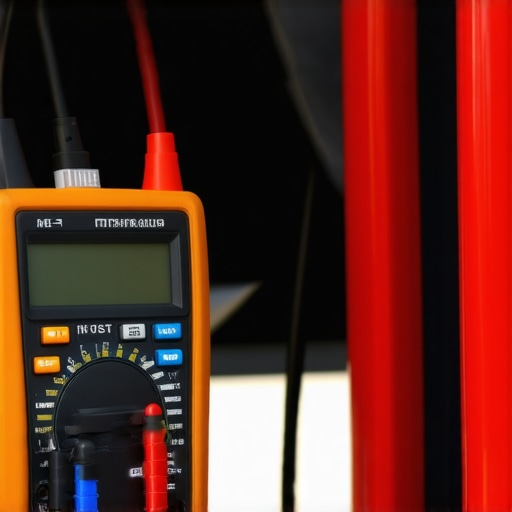
Maintaining a reliable home EV charging setup requires more than just initial installation. I personally rely on a few essential tools and practices to ensure everything stays in top shape. First, I use a high-quality multimeter to regularly check voltage and continuity in my circuits. This simple device helps me identify wiring issues or grounding problems early, preventing costly repairs later. For instance, when I noticed a slight fluctuation in voltage, I used my multimeter to verify the wiring integrity, which led me to a loose connection that I fixed before it caused a shutdown.
Next, I recommend investing in an EV charger diagnostic tool. These specialized devices interface with your charger or system, providing detailed error codes and system health reports. I use one that connects via Bluetooth, syncing with my smartphone to get instant updates. This way, I can catch issues like failing relays or communication errors before they impact charging performance. Regular diagnostics help extend the lifespan of your charger and keep safety protocols intact.
Beyond hardware, software plays a pivotal role. I rely on a professional-grade electrical management app that tracks your system’s usage, alerts you to irregularities, and suggests maintenance schedules. This app integrates with my smart home system, enabling remote monitoring. In the future, I predict these tools will become even smarter with AI-driven diagnostics, proactively warning homeowners about potential failures based on usage patterns or environmental factors.
What about ongoing maintenance to keep your system safe?
Routine inspections are crucial. I schedule a professional check-up at least once a year, focusing on connections, breakers, and grounding. During these inspections, I ask my electrician to verify that all components meet current code standards, especially since local regulations can change. Additionally, I periodically clean the charger contacts and inspect the wiring for corrosion or damage—simple steps that prevent unexpected failures.
Don’t forget to keep your documentation updated. Having detailed records of upgrades, inspections, and repairs simplifies troubleshooting and ensures compliance if you ever need an official inspection. And if you notice any irregularities—like unusual noises or error messages—don’t hesitate to contact a professional. Quick action can save you from more extensive repairs down the line.
By combining the right tools with regular maintenance, you can ensure your EV charging system remains safe, efficient, and reliable for years to come. I encourage you to try integrating a diagnostic tool into your setup and schedule annual professional inspections. These small investments will pay off in peace of mind and long-term performance. For more detailed guidance, check out this troubleshooting resource.
< >
>
The Hardest Lesson I Learned About EV Charging Safety
One of my biggest realizations was that overlooking simple load assessments can lead to frequent breaker trips and potential hazards. I once installed an EV charger without checking my panel capacity, and it was a costly mistake. Now I know that understanding your panel’s load capacity is key to avoiding dangerous overloads and ensuring safety.
Why Trust Expert Resources for Electrical Compliance
Early on, I relied on generic guides, but I quickly learned that professional, detailed resources like this comprehensive guide are essential. They help me ensure that my installation meets all local standards, avoiding costly rework and safety risks.
What I Wish I Knew About Panel Upgrades
Upgrading my electrical panel to a 200-amp service was a game changer. It not only supported my EV charger but also improved my home’s overall safety and efficiency. This experience taught me that a proper panel upgrade, performed by licensed professionals, is an investment in peace of mind.
Keep Your System Reliable with Routine Checks
Regular inspections and maintenance, like checking wiring and grounding, help me catch issues early. I also use diagnostics tools to monitor system health remotely. These proactive steps have kept my home safe and my EV charger running smoothly for years.
Curated Tools for Peace of Mind
- High-quality multimeter: For checking voltage and wiring integrity.
- Smart diagnostic tools: Bluetooth-enabled devices that monitor your system remotely.
- Electrical management apps: Track usage and get maintenance alerts to prevent surprises.
- Professional inspections: Annual check-ups by licensed electricians ensure ongoing safety and compliance.
Keep Moving Forward with Confidence
Understanding the nuances of code compliance and panel upgrades transformed my approach to home EV charging. It’s about safety, reliability, and peace of mind. If you’re committed to a safe charging setup, I encourage you to invest in proper evaluation and professional upgrades. Together, we can make our homes safer for the electric vehicle revolution.
Have you ever faced challenges with electrical upgrades or code compliance? Share your experience below—I’d love to hear your story!