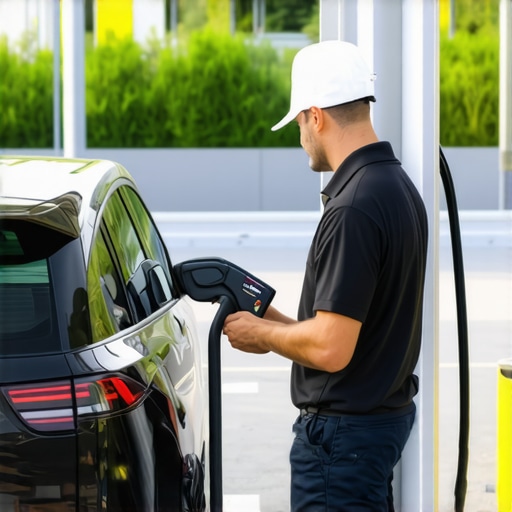

Troubleshooting EV Chargers: Expert Tips for Reliable Power & Safety
Ever experienced that sinking feeling when your electric vehicle charger suddenly stops working just when you need it most? I remember the first time it happened to me. I was in a rush, ready to hit the road, only to find my charger flickering and then going dead. It was frustrating, confusing, and honestly a little alarming. That lightbulb moment made me realize how crucial reliable charging is—not just for convenience but for safety too.
Why Reliable EV Charging Matters More Than Ever
With the rise of electric vehicles, dependable charging has become a cornerstone of everyday life. But what happens if your charger starts acting up? Poor connections, faulty wiring, or incompatible setups can cause power failures or even dangerous electrical issues. The good news? Many of these problems are solvable, and with the right know-how, you can troubleshoot effectively to keep your home safe and your EV ready to go.
Over the years, I’ve learned a thing or two about what to check when my charger misbehaves. Early on, I made a critical mistake—ignoring the importance of code compliance during installation. That oversight led to persistent issues that could have been avoided with proper wiring and adherence to safety standards. To build trust, I recommend reviewing code compliance tips before your next setup or troubleshooting session.
Ever faced a charging dead zone and wondered if it’s just bad luck?
If you’re like me, you want quick fixes, not hours of frustration. That’s why I’ve compiled some expert tips to help you identify and solve common issues—saving you time and worry.
Now, let’s dive into practical steps that will help you restore your charging power and ensure it stays safe and reliable in the future. Whether it’s a loose connection, outdated wiring, or a need for a panel upgrade, these tips will guide you through the process with confidence.
Check Your Connections Carefully
Start by inspecting all physical connections. I once found a loose terminal screw on my charger after it stopped working. Tightening it restored power instantly. Use a screwdriver to secure all wires, making sure none are frayed or damaged. Remember, loose connections are like leaky faucets—they waste power and can cause short circuits.
Test the Power Supply to Your Charger
Next, verify if your outlet is delivering power. I used a multimeter to check voltage, and I found a blown fuse in my home’s circuit breaker. Replacing the fuse or resetting the breaker fixed the problem. Always confirm your outlet provides the correct voltage—most EV chargers need 240V. If not, consult an electrician for safety.
Compare Your Wiring With Safety Standards
Miswiring can cause intermittent issues or dangerous faults. I learned this after wiring my charger without following the code compliance guidelines. Use a wiring diagram and double-check polarity, grounding, and circuit capacity. Avoid shortcuts—your safety depends on it.
Assess the Charger Itself
If wiring and power supply check out, examine the charger unit. Look for visible damage, corrosion, or burnt components. I once replaced a damaged circuit board, which solved persistent connectivity issues. Follow the manufacturer’s troubleshooting steps, and if needed, contact the supplier for support or replacement options.
Update Your Electrical Panel if Necessary
If your panel is outdated or overloaded, it can cause power dips or failures. I upgraded my panel to a dedicated subpanel for EV charging, which improved reliability. For expert advice on panel upgrades, visit panel upgrade tips. Ensuring your electrical system can handle your charger’s load is crucial for safety and performance.
Verify Code Compliance During Installation
Never skip code compliance checks. I made this mistake early on, leading to troubleshooting headaches. Use resources like this guide to ensure your setup meets local electrical codes, which helps prevent future failures and safety hazards.
Use Professional Help When Needed
When in doubt, consult a licensed electrician. I once attempted a DIY fix that turned into a bigger problem, costing me more time and money. Professional troubleshooting can identify subtle issues like wiring faults or panel deficiencies that you might miss. They also ensure your system remains compliant and safe.
Monitor and Maintain Your System
Once your charger works reliably again, set a schedule for regular inspections. Clean contacts, check for corrosion, and verify connections. Regular maintenance prolongs the lifespan of your charger and keeps safety top priority.
Remember, troubleshooting isn’t just about fixing a problem—it’s about building a reliable, safe charging environment. When in doubt, always consult trusted resources or professionals to keep your EV charging smooth and secure.
Many homeowners believe that troubleshooting their EV charger is a straightforward process, but the truth is more complex. A prevalent misconception is that simply resetting the breaker or replacing a fuse will fix all issues. While these steps are part of the process, they often mask deeper problems like wiring faults or compatibility issues that require a nuanced approach. Rushing into replacements without proper diagnostics can lead to recurring failures or, worse, safety hazards.
Another common mistake is assuming that all EV chargers are compatible with every electrical system. This myth can cause users to overlook the importance of verifying that their wiring setup meets the specific requirements of their charger model. For example, some chargers demand dedicated circuits and specific grounding standards, which if ignored, can result in intermittent power or damage to the unit. Always double-check wiring against the manufacturer’s specifications and local code standards. For comprehensive guidance, review code compliance tips.
Why Do Some Troubleshooting Tips Fail in Practice?
Many well-meaning advice articles suggest generic fixes, but they often overlook the importance of context. For instance, cleaning contacts might help in some cases, but if the root cause is an outdated electrical panel or improper wiring, the problem will persist. Overlooking the electrical infrastructure can lead to repeated troubleshooting cycles that frustrate even seasoned DIYers. Experts recommend assessing your entire electrical system and considering upgrades if necessary. For example, panel upgrades can ensure your system handles the load safely and reliably.
Furthermore, many users underestimate the importance of professional inspection. Even experienced homeowners can miss subtle wiring issues or code violations that cause problems down the line. An electrician’s expertise can uncover hidden faults and ensure your setup is compliant, safe, and optimized for long-term use. Remember, proper troubleshooting isn’t just about fixing the immediate issue but preventing future failures.
If you’re tackling EV charging issues, be cautious about shortcuts. Rushing to replace parts without diagnostics can lead to safety risks and additional expenses. Instead, take a comprehensive approach: verify wiring standards, inspect connections thoroughly, and consult professionals when in doubt. For detailed troubleshooting steps, visit expert troubleshooting tips. Have you ever fallen into this trap? Let me know in the comments!
Invest in Quality Test Equipment for Long-Term Peace of Mind
One of the most valuable tools I rely on is a high-quality multimeter. I use my Fluke 117 to verify voltage levels and check wiring continuity, ensuring that my charger receives the correct power and that all connections are solid. Investing in a reliable multimeter is crucial because cheap or inaccurate testers can give false readings, leading to unnecessary repairs or overlooked issues.
Additionally, I recommend a clamp meter for quick current measurements without disconnecting wires. This tool helps detect overloads or current fluctuations that could indicate wiring faults or panel problems. Regularly using these tools helps me catch potential issues early, saving time and money while maintaining safety.
Utilize Diagnostic Software for Precise Troubleshooting
Beyond physical tools, I find diagnostic apps and software invaluable. Many modern EV chargers come with built-in diagnostic features accessible via apps or web portals. For example, my ChargePoint app provides error codes and troubleshooting guidance specific to my model, streamlining repairs and reducing guesswork. These digital diagnostics are especially helpful for detecting firmware issues or compatibility problems that aren’t obvious through physical inspection alone.
Schedule Routine Maintenance for Consistency
Preventative maintenance is your best friend when it comes to keeping your EV charger working smoothly. I set monthly reminders to inspect and clean the contact points, check for corrosion, and verify wiring tightness. Using contact cleaner spray on connectors and terminals helps prevent oxidation that can cause intermittent power issues. A little regular upkeep prevents major breakdowns and extends the lifespan of your equipment.
Future Trends in EV Charging Maintenance
As EV technology advances, I predict that smart maintenance tools integrated with IoT sensors will become more common. These devices will continuously monitor system health, alerting homeowners to potential problems before they cause failures. Embracing these innovations now ensures you’re prepared for a future where maintenance is more automated and predictive.
How do I keep my EV charging system functioning over time?
Consistent inspection, proper cleaning, and using precise diagnostic tools are key. Regularly verifying connections with a multimeter, utilizing diagnostic apps, and scheduling preventive maintenance are practices I swear by. Remember, staying proactive with your tools and routine checks will save you from costly repairs and unsafe situations down the line.
Start by trying out a professional-grade multimeter like the Fluke 117, and see how it simplifies your troubleshooting process. For detailed guidance, visit expert troubleshooting tips and incorporate these tools into your maintenance routine today.
The Hardest Lesson I Learned About EV Charger Troubleshooting
One of my biggest takeaways is that rushing to fix issues without proper diagnostics often leads to recurring problems. I once replaced a fuse prematurely, only to find the real culprit was a loose connection further down the line. Patience and a systematic approach save time and money in the long run.
3 Myths About EV Charging Maintenance That Held Me Back
Many believe that simply resetting the breaker or cleaning contacts is enough. However, I discovered that underlying wiring faults or outdated panels are common culprits that these quick fixes overlook. Upgrading my electrical system made a significant difference in reliability.
What Experts Won’t Tell You About Long-Term EV Charger Care
Most professionals emphasize code compliance and proper wiring but often don’t stress the importance of regular, proactive maintenance. I now schedule monthly inspections, which have prevented many issues before they start, ensuring my system remains safe and efficient.
My Essential Toolkit for EV Charger Troubleshooting
High-quality multimeters like the Fluke 117 have become indispensable. They provide accurate readings that help me verify voltage and detect wiring issues—crucial steps before replacing parts or calling in help. Investing in these tools has paid off in peace of mind and safety.
Where to Go from Here
If you’re serious about keeping your EV charger reliable, start with proper diagnostics and routine maintenance. Review code compliance tips to ensure your setup is safe. When in doubt, consult licensed electricians to protect yourself and your home.
Reading through this detailed troubleshooting guide really resonated with me. I’ve had my fair share of EV charging frustrations, especially with intermittent power issues. One thing I’ve learned is the importance of regularly inspecting connections because even a loose terminal screw can cause significant headaches. The use of a quality multimeter, like the Fluke 117 mentioned in the post, has been a game-changer for me in diagnosing power supply problems efficiently. It’s amazing how often issues stem from simple wiring faults or outdated panels. What’s your approach for prioritizing upgrades—do you tackle the wiring first, or focus on improving the electrical panel? I’ve found that proactive maintenance and understanding local code standards have saved me from costly surprises. It’s clear that patience and systematic diagnostics are key. Has anyone tried integrating smart diagnostic tools or IoT sensors? I’d love to hear about experiences that have helped keep your system reliable over the long term.
This post hits home for me because I’ve experienced my fair share of EV charger hiccups, especially during busy mornings when I need a quick charge. I completely agree that loose wiring or outdated panels are often the culprits. I’ve invested in a multimeter and some basic diagnostic tools, which have saved me a lot of guesswork and money. Also, I’ve started scheduling monthly checks—cleaning contacts and inspecting connections—to prevent issues before they escalate. One thing I’ve learned is that patience and a methodical approach are invaluable. I’d love to hear if anyone has adopted IoT sensors or smart diagnostics yet—have they truly made a difference in long-term reliability? What’s been your experience with integrating such technology into your routine maintenance? Overall, I believe a proactive mindset, combined with proper tools and adherence to local codes, is the key to keeping EV charging seamless and safe.