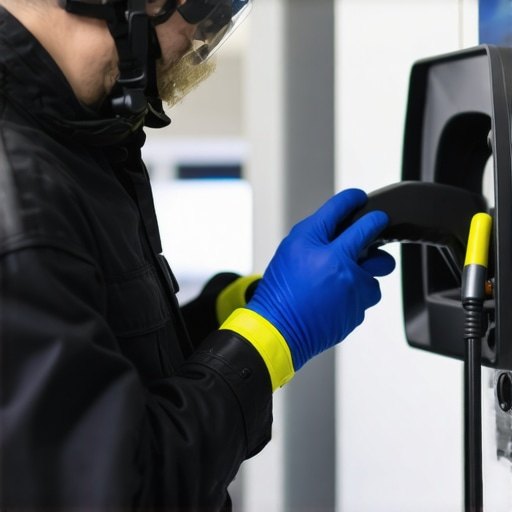

EV Charger Troubleshooting & Code Compliance: Your Safety Guide
Ever experienced that sinking feeling when your EV charger suddenly stops working just when you need it most? I remember the first time I faced this hassle. It was late at night, and my car sat helplessly while I frantically tried to figure out what went wrong. That lightbulb moment made me realize how critical proper troubleshooting and adherence to code compliance are for safety and reliability. If you’ve ever felt overwhelmed by confusing error messages or worried about whether your installation meets safety standards, you’re not alone. Today, I promise to guide you through the most common issues and show you how to troubleshoot effectively while ensuring your setup is fully compliant with safety codes.
The Real Reason Your EV Charger Acts Up
Many homeowners jump straight into fixes without understanding the root cause. It’s tempting to assume a blinking light or an error code is just a minor glitch, but often it points to bigger issues—like inadequate wiring, outdated panels, or non-compliant installations. I learned this the hard way early on, when I ignored a simple error and ended up with repeated outages. That mistake taught me the importance of verifying code compliance, which is not just a legal requirement but a safety necessity. When your EV charger isn’t working right, it’s crucial to diagnose properly and follow safety standards—otherwise, you risk damage to your vehicle, your home, or worse. For detailed guidance, check out our comprehensive EV Charger Troubleshooting Tips.
Is Troubleshooting Just Guesswork or Worth It?
Initially, I thought troubleshooting was a matter of trial and error. I was wrong. Making educated decisions based on proper inspection saves time and keeps everyone safe. A common mistake I made early on was skipping the verification of your electrical panel and wiring—an essential step that can prevent serious hazards. You might think, “It’s probably just a loose connection,” but without checking the wiring and ensuring it adheres to local code compliance standards, you’re flying blind. Proper troubleshooting involves checking the circuit breaker, testing voltage, and verifying your panel upgrades if necessary. Trust me, following these steps reduces risks and improves your charger’s reliability.
Have you faced recurring issues with your EV charger? Or maybe you’re unsure if your setup is safe? Don’t worry—help is available. In the next sections, I’ll walk you through some practical, proven steps to troubleshoot common problems and how to ensure your installation is fully compliant with safety codes. Because safety isn’t just a box to check—it’s the foundation of reliable, worry-free EV charging.
Check Your Circuit Breaker First
When your EV charger acts up, my first move was to reset the circuit breaker. I remember one evening when my charger suddenly stopped working; flipping the breaker off and on immediately restored power. Think of the breaker as a gatekeeper—if it’s tripped, it cuts off power to prevent damage. Ensure it’s fully reset, and look for signs of wear or damage on the breaker itself. If it trips again quickly, it indicates underlying issues like overload or faulty wiring that need addressing by a professional.
Test Voltage at the Outlet
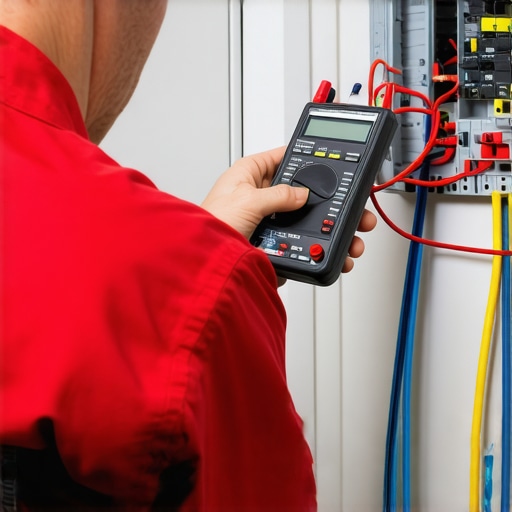
Next, I used a multimeter to verify the voltage supply. A consistent 240V is essential for proper operation. If voltage is low or unstable, your charger may malfunction or shut down unexpectedly. I found that a loose connection or an outdated panel could be the cause. Regular testing prevents guesswork and helps you catch issues early. If voltage readings are off, it’s time to consult a licensed electrician for upgrades, like checking panel upgrades for better performance and safety.
Inspect Wiring and Connections Carefully
There was a time I ignored loose wiring, which led to repeated outages. I turned off the power and visually inspected all connections at the outlet and charger. Tighten any loose terminals and replace damaged wires. Use a wiring diagram to ensure the correct connections, especially for ground, neutral, and hot wires. Remember, wiring that doesn’t meet code standards can cause serious safety hazards, including fires. Proper wiring is the backbone of safe EV charging, so don’t skip this step.
Verify That Your Panel Is Upgraded
If your home’s electrical panel is outdated or undersized, it might not handle the load. I once upgraded my panel to support faster charging and prevent overloads. An upgrade ensures your system can supply consistent power and reduces the risk of tripping breakers. Check code compliance and consult a professional to determine if a panel upgrade is necessary for your setup.
Review Your Installation for Code Compliance
Meeting local electrical codes isn’t just about legality; it’s about safety. I followed a detailed checklist to ensure my installation met all standards, including proper grounding, surge protection, and weatherproofing if outdoors. Use resources like code compliance guides to verify your work or hire a licensed electrician to do a professional inspection. This step prevents future hazards and ensures reliable operation.
Monitor and Maintain Regularly
After fixing initial issues, I set reminders for periodic checks. Clean the charger and outlet, check for corrosion, and test the system’s response. Regular maintenance keeps your system safe and efficient, avoiding costly repairs down the line. Remember, troubleshooting is an ongoing process, and staying vigilant ensures your EV charger operates smoothly for years to come.
When it comes to troubleshooting your EV charger, many homeowners fall prey to misconceptions that can lead to costly mistakes or safety hazards. Let’s dig deeper into some of these pitfalls and uncover the hidden nuances that even seasoned DIY enthusiasts often overlook. Understanding these nuances is crucial to maintaining a safe, reliable charging setup and avoiding the trap of quick fixes that don’t address underlying issues.
Why Most People Misjudge the Role of Wiring Quality
A widespread myth is that a simple loose wire or a tripped breaker is the only culprit when an EV charger malfunctions. However, the real issue often lies in the quality and compliance of the wiring itself. Many DIYers assume that using generic or outdated wiring materials won’t impact safety or performance, but this couldn’t be further from the truth. Non-compliant wiring can cause voltage drops, overheating, or even fires, especially under heavy load conditions typical of EV charging. For this reason, verifying that your wiring adheres to local code standards is an essential step that’s often neglected. Trust me, a small investment in proper wiring can save you from major headaches later.
The Oops Factor: Ignoring the Importance of Proper Grounding
Another common mistake is overlooking grounding during troubleshooting. Some assume that grounding is only necessary during installation, but in reality, it’s a continuous safeguard against electrical faults. Improper grounding not only violates safety codes but can also cause erratic charger behavior or risk of electrical shock. I’ve seen cases where a simple grounding correction resolved persistent issues, saving homeowners from expensive repairs or dangerous situations. Always double-check your grounding connections and ensure they meet code requirements.
Is Advanced Troubleshooting Worth It for the Everyday Homeowner?
Many believe that troubleshooting is just about resetting breakers or swapping out parts. However, an advanced approach involves understanding the intricacies of your electrical system, such as voltage stability and panel capacity. For example, if your home’s electrical panel is outdated or undersized, frequent outages or erratic charger behavior may occur despite correct wiring and grounding. Upgrading your panel not only enhances safety but also ensures your charger performs reliably. I recommend consulting a professional and verifying your setup against panel upgrade tips to prevent future issues.
Have you ever fallen into this trap? Let me know in the comments. Remember, proper troubleshooting isn’t just about fixing the immediate problem; it’s about understanding the entire electrical ecosystem of your home to keep your EV charging safe and dependable.
Invest in the Right Equipment to Keep Your Charger Running Smoothly
Maintaining your EV charger over time requires more than just occasional checks; it demands reliable tools that allow precise diagnostics and routine maintenance. I personally rely on a high-quality multimeter, such as the Fluke 117, because of its accuracy and durability. It helps me verify voltage stability and identify wiring issues quickly. Additionally, a non-contact voltage tester is invaluable for safety checks before working on or near live circuits. For ongoing maintenance, I use a dielectric grease on connectors to prevent corrosion, especially in outdoor installations—this simple step ensures consistent connections and reduces future troubleshooting headaches.
Use Software and Apps for System Monitoring
Beyond physical tools, leveraging technology is a game-changer. I recommend installing a smart monitoring system compatible with your EV charger, like the ChargePoint app, which provides real-time status updates, alerts for potential issues, and usage history. These insights help catch problems early and plan maintenance proactively. As the trend toward intelligent systems grows, future solutions might incorporate AI-driven diagnostics that predict failures before they happen, making maintenance even more efficient and less reactive. Staying ahead with these tools means fewer surprises and longer-lasting performance.
How do I maintain my EV charger over time?
Regular inspections are key. I schedule quarterly visual checks to look for corrosion, loose connections, or signs of wear. Cleaning contacts with contact cleaner and tightening terminal screws prevents many common issues. Also, testing voltage and current periodically ensures your system operates within safe parameters. If you notice consistent fluctuations or error messages, it’s best to consult a professional who can perform detailed diagnostics and verify code compliance—this not only extends the lifespan of your charger but also ensures safety. Incorporating these routine practices with the right tools will keep your EV charging setup dependable and safe for years to come.
Remember, investing in quality equipment and embracing smart monitoring technologies now can save you significant time and money down the line. Don’t wait until a problem arises—start your maintenance routine today with a multimeter and a reliable app, and enjoy worry-free EV charging. For comprehensive guidance on maintaining your system, visit our troubleshooting tips.
After navigating the world of EV chargers and electrical safety, I’ve uncovered some vital lessons that transformed my approach from guesswork to confidence. These insights aren’t just technical tips—they’re the hard-earned wisdom that can save you time, money, and potential hazards. Here are some of the most impactful lessons I learned along the way:
The Hardest Lesson I Learned About Troubleshooting EV Chargers
Nothing beats a systematic approach. I once wasted hours chasing phantom issues because I skipped verifying the circuit breaker and didn’t test the voltage first. Now, I always start with the basics—checking the breaker, testing voltage, and inspecting wiring—before diving into complex fixes. This saves me from unnecessary repairs and keeps my home safe.
3 Myths About Code Compliance That Could Cost You
One common misconception is that code compliance is just a bureaucratic hurdle. In reality, it’s the backbone of safety. Ignoring local standards can lead to fire hazards, electrical shocks, and costly rework. I now rely on trusted resources like code compliance guides and professional inspections to ensure my setup is bulletproof.
Why Upgrading Your Panel Was a Game-Changer
Outdated panels limited my charging speed and caused frequent trips. Upgrading to a modern, code-compliant panel not only improved performance but also added a layer of safety. It’s a smart investment that pays off in reliable, worry-free charging, especially when paired with proper wiring and grounding—details I now never overlook.
My Essential Toolkit for Troubleshooting EV Chargers
High-quality tools make all the difference. I trust my Fluke multimeter for accurate voltage readings and use a non-contact tester for safety. Regular maintenance and smart monitoring apps help me stay ahead of potential issues, ensuring my EV charger remains dependable year-round.
Where to Go from Here
If you’re serious about safe, reliable EV charging, prioritize code compliance and proper electrical upgrades. Regular inspections, quality tools, and professional advice are your best allies. Start today—your home and your EV will thank you. Want to learn more? Check out our expert troubleshooting tips for proven strategies.