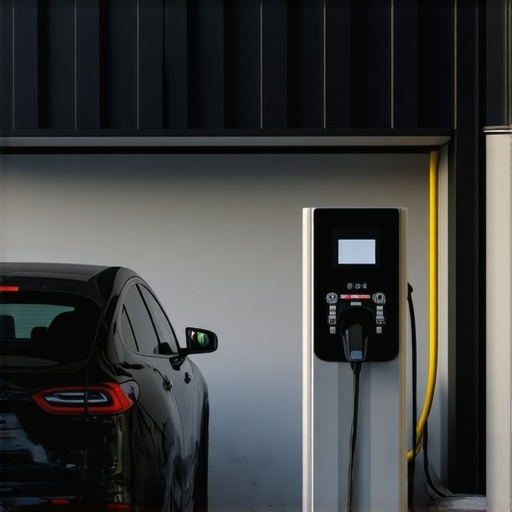

Panel Upgrades & Code Compliance: Safe EV Charging Solutions for Homes Today
Last summer, I almost fried my entire house by ignoring a simple but crucial step: upgrading my electrical panel before installing an EV charger. It was a harsh wake-up call that revealed just how many homeowners overlook the importance of proper electrical infrastructure when going green. The moment I saw the flickering lights and the sudden power outage, I realized I was playing a dangerous game. That mishap could have been prevented with a proper panel upgrade and understanding of code compliance.
Why Your Panel Might Be the Weak Link in Your EV Charging Setup
Many people jump straight to buying an EV charger without considering if their current electrical system can handle the extra load. Your home’s electrical panel is like the heart of your power system. If it’s outdated or undersized, trying to charge an EV can cause circuit breakers to trip or, worse, pose fire hazards. According to the National Fire Protection Association, electrical failures cause over 45,000 house fires annually, many linked to outdated wiring and panels. That’s a statistic no homeowner wants to become a part of.
Upgrading your panel isn’t just about avoiding inconvenience; it’s about safety and ensuring your home’s electrical system complies with local codes. Proper upgrades can improve your charging performance, prevent overloads, and keep your family safe. I learned this the hard way, but I’ve also learned how straightforward it can be to get it right by consulting professionals and following best practices. If you’re considering installing or upgrading your EV charging station, start with a thorough assessment of your current panel. For expert advice, check out this guide on panel upgrades for better EV charging performance.
Have you faced frequent breaker trips or worried about safety when charging your EV?
If so, you’re not alone. Many homeowners overlook the significance of ensuring their panel can handle the additional load. Making a mistake early on about the capacity of your panel can lead to costly repairs or dangerous situations. Trust me, it’s worth investing in a professional assessment to stay compliant with local code requirements and safeguard your home.
In the next sections, I’ll walk you through the practical steps to upgrade your electrical panel safely and ensure your EV charging setup is both reliable and compliant. Ready to make your home safer and more efficient? Let’s dive in!
Assess Your Current Electrical System
Begin by inspecting your existing electrical panel. Look for signs of age, such as discoloration, corrosion, or outdated labels. If your panel is over 20 years old or has a small capacity (like 100 amps), it’s likely inadequate for EV charging needs. I remember when I first checked mine, I found a panel that was barely rated for the household load, let alone an EV charger. This initial step is crucial to determine if a full upgrade is necessary.
Perform a Load Calculation
Calculate your household’s total power demand, including existing appliances and the new EV charger. Use online calculators or consult a professional to ensure your panel has enough capacity. For example, a typical Level 2 charger requires a dedicated 240V circuit with at least 40 amps. If your total load exceeds your panel capacity, an upgrade is essential to prevent overloads.
Choose the Right Upgrade Path
Decide whether you need a panel replacement or just a breaker upgrade. In most cases, a full panel upgrade provides more flexibility and future-proofing. When I upgraded, I opted for a 200-amp panel to accommodate current and future electrical demands. This decision was guided by a professional who explained that a higher capacity panel reduces the risk of tripping breakers and enhances safety.
Consult a Licensed Electrician
Always work with a qualified electrician to ensure compliance with local codes and safety standards. They will evaluate your system, recommend the appropriate panel and breakers, and handle the installation. I hired a licensed pro who walked me through the process and explained each step, including how to verify code compliance, which you can review here.
Prepare for the Upgrade
Before work begins, obtain necessary permits from local authorities. This step ensures your upgrade meets all safety and code requirements. During my upgrade, I coordinated with the electrician to schedule a time that minimized disruption, and I ensured that the work area was clear of obstructions.
Shut Off Power and Clear the Workspace
For safety, turn off main power before the upgrade. Clear the area around your electrical panel and disconnect any sensitive electronics. I remember labeling all circuits beforehand to facilitate reassembly. Be cautious—working with live electricity is dangerous and requires proper safety gear.
Perform the Panel Upgrade
The electrician will remove the old panel, install the new one, and connect the circuits. They will also install a dedicated circuit breaker for your EV charger, ensuring it has the proper amperage and grounding. During my upgrade, I watched as the technician carefully checked each connection for tightness and compliance, which is critical for safety.
Verify Code Compliance and Safety
After installation, ensure the work adheres to local electrical codes. Ask your electrician to provide documentation and verify that everything is up to standard. You can also review requirements yourself here.
Test Your New Electrical System
Once the upgrade is complete, restore power and test your circuit breakers. Connect your EV charger and monitor for proper operation. Check for any signs of faulty wiring or tripping breakers. I tested my system by plugging in my EV charger and running a full charge cycle, ensuring everything was stable and compliant with safety standards.
Regular maintenance and periodic inspections will keep your system safe and efficient. Remember, upgrading your electrical panel is a critical step toward reliable and safe EV charging at home.
Many homeowners believe that simply installing a new breaker or upgrading to a higher amperage panel automatically ensures safe and reliable EV charging. However, this is a misconception that can lead to serious issues if overlooked. The real nuance lies in understanding the detailed requirements for proper installation, compliance, and future-proofing. Let’s dig deeper into some common myths and advanced mistakes that often trip up even experienced homeowners.
Why Overestimating Your Panel Capacity Can Backfire
It’s tempting to choose a panel with the highest capacity available, thinking it will future-proof your home. But oversizing without proper load calculations can be inefficient and unnecessary, leading to higher upfront costs. A professional assessment considers your current and future needs, ensuring your panel is appropriately sized. For example, installing a 300-amp panel where a 200-amp one would suffice might seem like overkill, but it can complicate wiring and increase costs without proportional benefits. More importantly, a panel that’s too large for your actual load may not meet local code requirements, which often specify minimum and maximum capacities.
The Hidden Danger of Ignoring Local Code nuances
Many assume that national standards are enough, but local codes often have specific requirements that differ from broader guidelines. For instance, some jurisdictions require a dedicated disconnect for EV chargers or specific grounding methods. Ignoring these nuances can result in costly rework or failed inspections. Always verify local regulations and work with licensed electricians familiar with your area’s requirements. For a comprehensive understanding, review this guide on code compliance.
Beware of the “One-Size-Fits-All” Solution
Another common mistake is assuming that an off-the-shelf panel upgrade is suitable for every home. Your wiring, existing circuits, and future plans all influence what type of panel and breakers you should install. For example, if your home has aluminum wiring, special considerations are necessary to prevent corrosion and fire hazards. Similarly, homes with solar or backup generators require specific configurations to ensure compatibility and safety. An expert evaluation ensures that your upgrade isn’t just compliant but optimized for your unique setup.
Make Sure Your Installer Thinks Beyond the Basics
Some installers focus only on the panel replacement, neglecting the wiring, grounding, and load balancing. These details are critical for safety and performance. For instance, improper grounding can lead to electrical shocks, while unbalanced loads can cause frequent breaker trips. Always ask your electrician about their approach to these factors and verify their work aligns with industry standards. Check their references and reviews to ensure they prioritize quality and safety, not just speed and cost.
Have you ever fallen into this trap? Let me know in the comments. Remember, a well-executed panel upgrade isn’t just about meeting minimum requirements — it’s about ensuring your home’s safety and reliable EV charging for years to come. For a detailed plan tailored to your needs, consult a licensed professional and review this comprehensive resource on panel upgrades.
Keeping it running: Tools I swear by for electrical system upkeep
Maintaining a safe and efficient electrical system for your EV charger isn’t a one-and-done task. Over time, components can degrade or become less reliable, making regular checks and using the right equipment essential. Personally, I rely on a few specific tools that help me stay ahead of potential issues and ensure everything remains in top shape.
First, a high-quality digital multimeter is indispensable. I use mine daily to verify voltage levels, check circuit continuity, and troubleshoot minor issues before they escalate. When selecting a multimeter, I look for one with a broad voltage range, true RMS measurement, and good durability—I’ve found that Fluke models, like the Fluke 115, offer reliable readings and longevity, which is worth the investment.
Next, I recommend a clamp meter, especially for monitoring current flow without disconnecting circuits. This tool allows me to quickly verify that my EV charger’s dedicated circuit isn’t overloaded, and it helps in troubleshooting trips or uneven power delivery. My preferred model is the Amprobe AMP-210, which is compact, precise, and easy to use for residential electrical work.
For periodic inspections, I also keep a thermal imaging camera handy. This device helps identify hotspots or uneven heating in wiring and breakers—signs that something might be going awry. I personally use the FLIR One, which connects to my smartphone, providing real-time infrared visuals. Catching these issues early can prevent costly repairs and potential hazards.
Beyond hardware, I use specialized software tools to monitor my electrical system remotely. For example, smart circuit breakers with integrated monitoring can send alerts if voltage fluctuations or abnormal current draw are detected. While I don’t rely solely on software, integrating these devices with my home automation system adds an extra layer of oversight, especially when I’m away from home.
Looking ahead, I believe this trend toward smarter, more integrated electrical maintenance tools will accelerate. Future systems might include AI-powered diagnostics, predictive analytics, and even self-healing circuits—making long-term upkeep more automated and foolproof.
How do I maintain my electrical system over time?
Regular inspections are key. I schedule a professional check-up at least once a year, especially after heavy use or electrical upgrades. I also keep my tools calibrated, follow manufacturer guidelines for testing procedures, and stay updated on local code requirements by consulting trusted resources like this guide on code compliance. By combining high-quality tools with routine maintenance, I ensure my home’s electrical system remains safe, reliable, and ready for future upgrades. If you’re serious about keeping your EV charging station in top shape, I highly recommend trying out a thermal imaging camera to spot issues early—it’s a game-changer in preventative maintenance.
Secrets I Learned from a Close Call with My Electrical System
- One of my biggest lightbulb moments was realizing how much I underestimated the importance of a proper electrical panel upgrade. It’s not just about capacity, but about safety, compliance, and future-proofing. If I had known sooner that a simple assessment could save me from costly repairs and hazards, I would have acted faster.
- Getting professional help changed my perspective entirely. I learned that working with licensed electricians isn’t just about compliance — it’s about peace of mind. Their expertise ensures that every wire, breaker, and grounding point meets the highest safety standards, which I now see as non-negotiable.
- Investing in the right tools for ongoing maintenance is a game-changer. From digital multimeters to thermal cameras, these gadgets help me catch issues early, saving time and money. Regular checks keep my system reliable, especially as I plan for more upgrades down the line.
- Understanding local code requirements can be confusing but is essential. I discovered that national standards are just the starting point; my local regulations have specific demands that protect my home and family. Staying informed means fewer surprises during inspections and safer installations.
Tools and Resources That Keep My Home Safe
- Fluke 115 Digital Multimeter: I trust this for accurate voltage readings and troubleshooting. Its durability and precision give me confidence in every check.
- Amprobe AMP-210 Clamp Meter: Monitoring current without disconnects helps me verify if my circuits are overloaded, preventing tripping and hazards.
- FLIR One Thermal Camera: Spotting hotspots early has saved me from potential wiring failures. It’s a smart investment for regular inspections.
- Smart Circuit Breakers: These devices send alerts if something’s off, giving me peace of mind even when I’m away from home. They’re part of my plan for future smart upgrades.
Embrace the Power of Action for a Safer Future
Taking control of your electrical system isn’t just about meeting current needs — it’s about creating a safer, more reliable environment for your family and your EV. The path to a perfect home setup starts with a thorough assessment, professional upgrades, and ongoing vigilance. Don’t wait for a scare like I had; start today, and enjoy the peace of mind that comes with knowing your electrical system is ready for anything. What’s your next step toward safer EV charging? Share your plans or questions below, and let’s make your home a safer place together!
Wow, this post really hit home for me. Last year, I quickly learned the importance of a proper electrical panel when I installed a Level 2 charger for my EV. The flickering lights and occasional trips made me realize I was risking more than just inconvenience—my safety was on the line. What stood out most was the emphasis on professional evaluation and code compliance. I initially thought upgrading was just about capacity but learned the nuance of groundings and local code requirements, especially since my area has strict rules. Has anyone found that their local regulations were more complex than expected? I’d love to hear some tips on navigating different city codes, especially for someone in a historic district where wiring can be tricky.
Reading through this post really resonated with me, especially the part about the importance of assessing your current electrical panel before jumping into EV charger installation. I had a similar experience last summer when I attempted a DIY upgrade without fully understanding my panel’s capacity. The flickering lights and occasional breaker trips were a wake-up call that I needed professional help. Since then, I’ve had a licensed electrician evaluate my system, and it was enlightening to learn how not just capacity, but grounding and local code nuances, are crucial for safety. It made me wonder, how many homeowners overlook these details and face troubleshooting down the line? For those considering an upgrade, I’d suggest asking your electrician to do a comprehensive load assessment plus check for any potential grounding issues. Have any of you had surprises with local code differences, perhaps in areas with older or historic homes? I’d love to hear how you navigated those challenges.
This post really emphasizes the importance of proper electrical infrastructure when integrating EV chargers at home. I recently helped a friend who underestimated their panel’s capacity, leading to repeated breaker trips and a frustrating experience. It made me realize how many homeowners might overlook these critical details until problems arise. A thorough load assessment and working with licensed electricians are definitely steps I recommend for anyone planning to upgrade their system. I also wonder, in older homes with unique wiring setups, what additional precautions or solutions have others found effective? Sharing experiences or tips could help many avoid potential hazards and costly upgrades later on.
This post really underscores the importance of a thorough electrical assessment before installing an EV charger. I’ve seen friends rush into upgrades without recognizing how much their existing panels might be outdated or just not up to the task, which can lead to very dangerous situations. I recently worked with a licensed electrician to evaluate my system and was surprised to learn that some of my wiring wasn’t up to code, especially because my house is over 30 years old. It’s so easy to overlook these details, but they make a huge difference in safety and reliability. I’m curious, do others find that their local codes tend to be more strict or different from national standards? How do you navigate unfamiliar regulations, especially if your home has unique wiring or is in a historic district? I’d love to hear some real-world experiences or tips on managing those kinds of challenges.