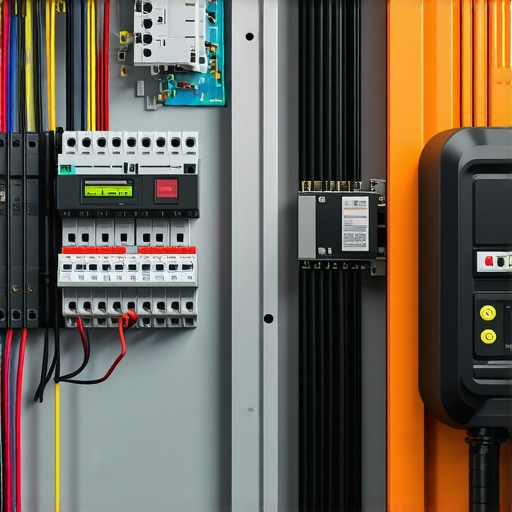

Affordable Electrical: Expert Panel Upgrades & Troubleshooting EV Chargers for Safety
My Personal Experience with Electrical Panel Upgrades for EV Charging
When I first decided to switch to an electric vehicle, I knew I had to upgrade my home’s electrical system. The thought of ensuring safe and reliable charging was daunting, but I quickly learned that investing in a proper panel upgrade is crucial. I remember calling a local electrician, and their advice was clear: a professional panel upgrade can significantly improve EV charging performance and safety. It was a relief to know that an upgrade not only supports my current charger but also future-proofed my home. For those considering similar upgrades, I recommend reviewing this detailed guide on panel enhancements for EVs.
Why I Prioritize Safety When Troubleshooting EV Chargers
One evening, I noticed my EV charger wasn’t functioning as smoothly as before. Instead of panicking, I followed a troubleshooting checklist I found on Bright Spark Electric’s site. From checking the circuit breaker to inspecting for loose connections, I learned that many common issues are simple to diagnose with the right knowledge. The key is to always prioritize safety—turn off power before inspecting or attempting repairs. I also took the time to read about expert troubleshooting tips to avoid risking electrical hazards. Ensuring code compliance is essential; I keep my installations in line with local regulations, which I verified through resources like this compliance guide.
What Are the Key Signs That My EV Charger Needs Professional Help?
If you’re like me, you might wonder when to call in a professional. Signs such as frequent tripping of circuit breakers, unusual sparks, or inconsistent charging speed are red flags. Sometimes, it’s a matter of outdated wiring or insufficient power supply, which can be addressed by a certified electrician. I’ve learned that regular maintenance and inspections help prevent costly repairs and ensure safety. To explore more about diagnosing issues, visit this troubleshooting resource. Remember, safety comes first—never attempt complex repairs yourself without proper expertise.
How Can I Make Sure My EV Charging Setup Is Fully Safe and Code-Compliant?
Ensuring your EV charger and panel meet safety standards is vital. I always check that installations follow local electrical codes, and I consult with licensed professionals for any upgrades. The National Electrical Code (NEC) provides essential guidelines, and I make sure my setup aligns with these standards by referencing trusted sources like compliance tips. Proper grounding, circuit protection, and regular inspections are key to a safe charging environment. If you’re unsure about your setup, I recommend getting a professional inspection—it’s worth the peace of mind.
If you’ve faced similar challenges or have tips to share, I’d love to hear your experiences! Feel free to leave a comment below or reach out through my contact page. Sharing knowledge helps us all keep our homes safe and our EVs charging smoothly.
Understanding the Nuances of Electrical Code Compliance for EV Chargers
One of the most critical aspects of installing or upgrading your EV charging station is adhering to local electrical codes and standards. While many homeowners focus on the physical installation, overlooking compliance can lead to safety hazards and potential legal issues. As an electrical expert, I emphasize the importance of familiarizing yourself with the National Electrical Code (NEC) guidelines, which are regularly updated to enhance safety and efficiency. Resources like this compliance guide provide comprehensive insights into the latest requirements, including grounding, circuit protection, and wiring methods.
How Do Professional Panel Upgrades Enhance Safety and Performance?
When it comes to supporting high-capacity EV chargers, especially in homes with older electrical systems, panel upgrades are often necessary. Upgrading your electrical panel not only ensures sufficient power delivery but also significantly reduces the risk of overheating, short circuits, or tripped breakers. A well-executed upgrade incorporates modern breakers, proper grounding, and adequate wiring capacity—all vital for safe EV charging. For detailed advice on the upgrade process, check this expert resource.
Can My Existing Electrical System Handle Future EV Charging Demands?
As EV technology advances, chargers are becoming more powerful, demanding greater electrical capacity. A common question I encounter is whether existing systems are future-proof. The answer often depends on your current panel’s capacity and wiring infrastructure. Upgrading your panel to a higher amperage rating can accommodate multiple EVs or future technological upgrades without risking safety or performance. Moreover, integrating smart load management systems can optimize energy use and prevent overloads. To explore options tailored to your home, consider consulting a licensed electrician who can assess your setup and recommend necessary upgrades, like those discussed here.
What Are the Practical Steps to Verify Your EV Charger’s Safety and Compliance?
Verifying your setup’s safety involves a series of practical steps. First, ensure the charger and wiring are installed by licensed professionals following the latest code standards. Next, perform regular inspections for signs of wear, loose connections, or corrosion. Using a multimeter, you can verify proper grounding and circuit integrity. Additionally, consulting resources such as this official guide helps you understand what to look for during inspections. Remember, safety is not a one-time task but an ongoing process, especially as your electrical system ages or as regulations evolve.
If you’ve experienced challenges or have insights about maintaining code compliance in EV charging setups, I invite you to share your experiences in the comments or reach out via our contact page. Staying informed and proactive ensures your home remains a safe, efficient environment for electric vehicle charging.
How Do I Truly Know My Home Electrical System Meets the Latest Safety Standards?
Over the years, I’ve learned that ensuring your electrical setup complies with current codes isn’t just a matter of ticking boxes; it’s about understanding the nuanced requirements that evolve with technology and safety standards. For instance, modern regulations now emphasize the importance of AFCI (Arc Fault Circuit Interrupters) and GFCI (Ground Fault Circuit Interrupters) installations, which significantly reduce fire and electric shock risks. When I upgraded my own panel, I took the time to review the latest compliance guidelines to ensure my system was not only functional but also aligned with these advancements. This proactive approach gave me peace of mind, knowing my setup was prepared for current and future safety standards.
Why Is It Critical to Keep Abreast of Code Changes When Upgrading Electrical Systems for EVs?
Electrical codes are not static; they transform as new risks emerge and technology advances. I remember when I first looked into upgrading my panel, I was surprised to discover recent changes in the 2024 NEC updates that now require dedicated circuits for high-capacity EV chargers. Ignoring these updates can lead to unsafe situations or costly rework later. Staying informed requires me to regularly review authoritative resources and consult with licensed electricians. This continuous learning has helped me avoid common pitfalls, such as overloading circuits or improper grounding, which can compromise safety and compliance.
How Do I Balance Practical Installation Needs with Strict Regulatory Requirements?
Balancing practical needs and regulations is a dance I often perform in my home projects. For example, I wanted a fast-charging station that wouldn’t overload my existing system. After extensive research and consultation, I realized that a panel upgrade coupled with smart load management could meet my needs without breaching safety standards. I found that understanding the troubleshooting tips and applying them during the upgrade process helped me identify potential issues early. It’s crucial to remember that safety and compliance should never be compromised for convenience; instead, innovative solutions like load balancing and selective circuit design can bridge the gap effectively.
What Are the Hidden Dangers of Overlooking Code Compliance in EV Charger Installations?
In my experience, ignoring code compliance can lead to subtle but serious hazards—such as increased fire risk, electrical shocks, or damage to expensive equipment. I once heard from a fellow homeowner that their DIY installation caused a circuit to trip frequently, which was ultimately traced back to non-compliant wiring and inadequate grounding. The real danger lies in the fact that these issues might not be immediately visible, making regular inspections and professional assessments vital. The National Electrical Code provides a comprehensive framework, but understanding and applying it correctly remains a challenge for many. To help bridge this gap, I recommend engaging with reputable resources and licensed professionals who are familiar with local amendments and updates.
Sharing your experiences or concerns about code compliance in EV setups can be incredibly helpful. Feel free to leave a comment or reach out through my contact page. Together, we can ensure that our homes remain safe, efficient, and ready for the future of electric mobility.
Mastering the Art of Electrical Code Compliance in Complex EV Charging Setups
In my extensive journey upgrading electrical systems for EV charging, I’ve discovered that compliance with evolving standards like the 2024 NEC is not just a legal obligation but a fundamental safeguard for home safety. The intricacies of implementing AFCI and GFCI protections, especially in retrofit scenarios, demand a nuanced understanding that goes beyond basic wiring. I’ve often referred to authoritative resources, such as this comprehensive compliance guide, to navigate the complexities of modern electrical codes. Ensuring your setup meets these standards minimizes fire risks and electric shocks, providing peace of mind for years to come.
How Can I Leverage Technology to Future-Proof My EV Charging Infrastructure?
As electric vehicles become more integrated into our smart homes, the role of technology in ensuring safety and performance becomes paramount. I’ve integrated load management systems that dynamically balance power between multiple chargers, preventing overloads while optimizing energy consumption. These systems, often coupled with smart panels, adapt to future demands, allowing for seamless upgrades without extensive rewiring. To stay ahead, I regularly explore innovative solutions, such as expert troubleshooting tips, which help me identify vulnerabilities before they escalate. Combining these advancements with meticulous adherence to code ensures my home remains resilient and efficient amid technological evolution.
What Are the Critical Considerations When Upgrading Your Panel for Multiple High-Capacity EV Chargers?
Upgrading to support multiple high-capacity chargers involves more than just increasing amperage; it’s about strategic planning that considers load calculation, branch circuit design, and future scalability. I’ve learned that consulting with licensed electricians—who conduct detailed load analyses—is essential to avoid oversights that could compromise safety. Additionally, installing dedicated circuits for each charger, as recommended in this expert resource, prevents nuisance tripping and enhances longevity. Proper wiring methods, grounding, and surge protection are equally vital to safeguard your investment and ensure reliable performance under increased load conditions.
How Do I Conduct Ongoing Inspections to Maintain Compliance and Safety?
Ongoing inspection routines are crucial, particularly as electrical components age or as standards evolve. I advocate for a systematic approach—regular visual checks for signs of wear, corrosion, or loose connections, paired with the use of multimeters to verify grounding integrity and circuit continuity. Engaging professionals for periodic assessments ensures compliance with the latest regulations and helps identify potential hazards early. Resources like this detailed inspection guide have been instrumental in my maintenance protocols. Remember, proactive vigilance is your best defense against unexpected failures or safety breaches.
Engage with My Deep Dive into Expert Panel Upgrades for Optimal Safety
If you’re serious about future-proofing your home’s electrical infrastructure for EVs, I invite you to connect with me and explore detailed strategies tailored to your specific needs. Sharing experiences and insights fosters a community of safety-minded homeowners who prioritize long-term reliability. Feel free to reach out via our contact page, where I can offer personalized advice or recommend professional solutions. Let’s work together to ensure your EV charging setup is not only compliant but also resilient against the challenges of tomorrow’s electric mobility landscape.
Things I Wish I Knew Earlier (or You Might Find Surprising)
Hidden Risks of DIY Installations
One thing I learned the hard way is that attempting to upgrade your electrical panel without proper knowledge can be dangerous. I once tried a quick fix myself and ended up tripping my breaker multiple times—an eye-opening experience that showed me the importance of professional help for safety and compliance.
The Power of Regular Inspections
It’s easy to think once your EV charger is installed, your work is done. However, I’ve come to appreciate how routine inspections and maintenance can prevent costly failures and ensure ongoing safety—something I wish I prioritized sooner.
Understanding Local Regulations
Local electrical codes can be complex and often change. I found that staying updated with these standards, especially regarding load management and grounding, saved me from potential legal issues and safety hazards down the line.
Future-Proofing Your Electrical System
With EV technology evolving rapidly, I realized that investing in a higher-capacity panel and smart load management systems now can save a lot of hassle in the future. Planning ahead makes a big difference.
The Value of Professional Advice
Talking with licensed electricians gave me clarity on what upgrades were truly necessary and how to implement them safely. Their expertise is invaluable, especially when navigating code compliance and safety standards.
Resources I’ve Come to Trust Over Time
- National Electrical Code (NEC): The definitive resource for electrical safety standards, helping me understand what’s required for safe EV charger installations.
- Bright Spark Electric’s Guides: Their comprehensive articles and tips have been my go-to for practical advice on panel upgrades and troubleshooting.
- Local Electrical Regulations: I recommend checking your city or state’s electrical code updates regularly, as they can differ and impact your project.
Parting Thoughts from My Perspective
Upgrading your electrical panel for safe EV charging is a crucial step that requires careful planning, adherence to safety standards, and often professional guidance. From my experience, investing in proper wiring, regular inspections, and compliance with local codes not only keeps your home safe but also ensures you get reliable, efficient charging for years to come. If this resonated with you, I’d love to hear your thoughts or experiences. Feel free to share or reach out—sharing knowledge helps us all stay safe and prepared for the future of electric mobility.
Reading through this detailed post really highlights the importance of thorough planning when upgrading your electrical system for EV charging. I recently went through a similar process and found that consulting a licensed electrician from the start made a huge difference. One thing I learned is that not only does a proper panel upgrade enhance safety, but it can also optimize charging speed and efficiency, which is a win for busy households. I particularly appreciate the emphasis on ongoing inspections and code compliance, as these are often overlooked but crucial steps. Have any of you implemented smart load management systems? I’m curious about how they’ve helped prevent overloads and whether they’re worth the investment in the long run.
This post really resonated with me because I recently completed an electrical panel upgrade in my home specifically for EV charging, and I can’t emphasize enough how much it enhanced both safety and performance. The process was daunting at first, but working with a licensed electrician made all the difference. I also installed a smart load management system, which has been fantastic for optimizing energy use and preventing overloads when I charge multiple vehicles. One challenge I faced was ensuring my wiring met the latest NEC standards, so staying informed about code updates was critical.
I’m curious, for those who’ve done similar upgrades, have you noticed a significant difference in your charging speeds or energy efficiency? Also, what are your thoughts on integrating smart panels and load management systems for future scalability? It’s clear that future-proofing your electrical system is a smart move, especially as EV technology continues to advance.
I really appreciate this detailed discussion on panel upgrades and safety measures—it’s something I wish I explored more thoroughly before installing my EV charger. Upgrading the electrical panel not only boosted my charging speed but also gave me peace of mind knowing the system is safe and compliant with codes. What I found particularly helpful was the emphasis on ongoing inspections; regular maintenance is often overlooked and can prevent costly issues down the line. I’ve recently been considering a smart load management system to better balance power across multiple devices in my home, especially as I plan to add more EVs or even solar panels in the future. Has anyone experienced significant benefits from integrating these smart solutions? Are they worth the investment, or do you think simpler setups can still provide reliable safety? Would love to hear others’ insights or recommendations based on their experiences.