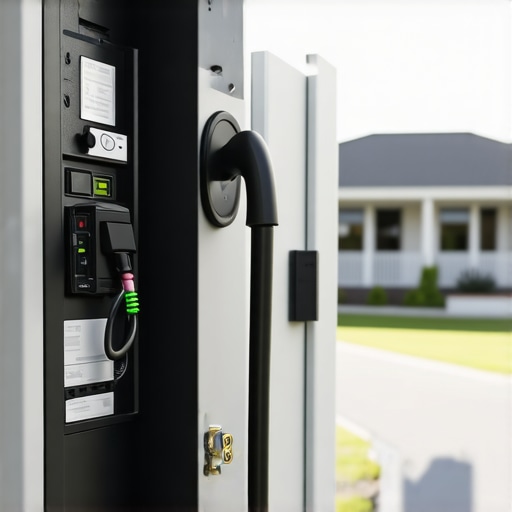

Panel Upgrades & Code Compliance for Reliable EV Charging at Home
Have you ever tried to plug in your electric vehicle at home only to find that your charger flickers, or worse, refuses to turn on altogether? That frustrating moment of realizing your home’s electrical system isn’t quite ready can feel like a punch to the gut, especially when you’re eager to embrace cleaner driving. I remember the first time I faced this—my charger kept disconnecting, and I was left questioning whether I’d overlooked something crucial about my home’s electrical setup. Turns out, I had skipped a vital step: ensuring my electrical panel could handle the load and meet code requirements. That lightbulb moment led me down a path of learning that many homeowners overlook, but it’s one that can make or break your EV charging experience.
Why Your Panel Matters More Than You Think
Your electrical panel, or breaker box, is the heart of your home’s power system. When adding an EV charger, especially a Level 2 fast charger, your panel needs to be capable of handling the increased electrical demand. If it isn’t, you risk not only unreliable charging but also potential safety hazards. Upgrading your panel isn’t just about faster charging; it’s about safety, compliance, and peace of mind. Many folks assume that plugging in a charger is as simple as connecting to an outlet, but in reality, code compliance and proper panel upgrades are essential to avoid issues like tripped breakers, electrical fires, or costly repairs down the line.
In my case, I initially thought I could just add a dedicated outlet and call it a day. But after consulting with a professional, I learned that my existing panel was already near capacity. Ignoring this could have led to serious problems, including code violations and voided insurance claims. To ensure your system is both safe and reliable, it’s vital to verify your home’s compliance with local electrical codes. This step is often overlooked but is crucial for a hassle-free EV charging experience. For a detailed look at how to verify your setup, check out this guide.
Is It Really Worth Upgrading Your Panel?
Many homeowners wonder if the expense and effort are justified. Honestly, I was skeptical at first. I’d seen folks talk about panel upgrades as a must-do, but it seemed like a hassle. Spoiler: it’s worth it. Not only does it improve your charging reliability, but it also future-proofs your home for other electrical needs. Plus, professional upgrades ensure everything is up to code, which is essential for safety and insurance purposes. One mistake I made early on was trying to save money by doing a DIY upgrade—big mistake. Electrical work is complex, and a poor installation can be dangerous. For reliable, safe upgrades, I recommend consulting licensed electricians familiar with code compliance standards.
So, if you’ve faced issues like flickering chargers or tripped breakers, it might be time to evaluate your panel. The good news? It’s a manageable project with the right expertise, and it can dramatically improve your EV charging experience. Ready to learn exactly how to do this? Let’s dive into the practical steps to upgrade your panel and ensure your system is both safe and code-compliant.
Assess Your Current Electrical System
Begin by inspecting your existing electrical panel. Turn off all appliances and EV chargers, then locate your breaker box. Open it carefully—if you’re unsure, consider hiring a licensed electrician. Check the amperage rating of your main breaker; most homes have 100-200 amps. If you plan to install a Level 2 charger, your panel must support an additional 40-50 amps dedicated circuit. Use a multimeter to measure voltage and ensure circuit breakers aren’t worn or damaged. For a detailed process, visit this verification guide.
While many homeowners focus on the basics of upgrading their electrical panels for EV chargers, there are nuances that can trip up even experienced DIYers or those who rely on professional installers. Let’s dig deeper into what most people get wrong about this crucial step and how to avoid costly mistakes.
Myth: The Bigger the Panel, the Better
A common misconception is that installing a massive panel with excess capacity guarantees future-proofing. In reality, oversizing your panel without proper planning can lead to unnecessary costs and complexity. An expert approach involves precise load calculations that consider all current and future electrical needs, including your EV charger, HVAC, and other appliances. Overbuilding not only wastes money but can also complicate your electrical system’s code compliance. For optimal results, consult a professional who can evaluate your specific load profile and recommend a panel size that balances capacity with efficiency.
Beware of Overlooking the Nuances of Circuit Layout
Many get caught up in the size of the panel but neglect how circuits are distributed within it. Proper circuit layout ensures your EV charger receives dedicated, reliable power without interfering with other systems. Poorly planned layouts can cause nuisance trips or overload circuits that seem adequate on paper. Advanced professionals use detailed load analysis and strategic circuit segmentation to prevent these issues. If you’re upgrading, ask your electrician about how they plan to organize circuits—this step is often overlooked but critical for long-term reliability. For more on best practices, see this guide.
What About Code Compliance and Future Proofing?
Many assume that simply upgrading to a larger panel will automatically meet code standards. However, code compliance involves detailed inspections and adherence to local regulations, which can vary widely. A common mistake is installing a panel that meets current standards but is not prepared for future code updates or increased loads. Working with an electrician familiar with latest code requirements ensures your upgrade is both legal and safe. Remember, a panel upgrade isn’t just about today’s needs but also about safeguarding your home’s electrical integrity in the years to come.
Have you ever fallen into this trap? Let me know in the comments. For a comprehensive approach on ensuring your upgrade is safe and code-compliant, check out this detailed article.
How do I maintain my electrical system over time?
Maintaining your EV charging setup isn’t a one-and-done task. Regular inspections and using the right tools can prevent costly issues and keep your system running smoothly. I personally rely on a high-quality multimeter, such as the Fluke 117, because it provides precise voltage readings and helps me identify any irregularities in my circuits before they escalate. Additionally, I use a thermal imaging camera like the FLIR ONE to detect hot spots or overheating components that could indicate underlying problems. These tools have saved me from unexpected outages and potential safety hazards.
Beyond hardware, software monitoring plays a vital role. I recommend installing smart circuit breakers that can alert you to overloads or faults remotely. Devices like the Sense Energy Monitor give real-time insights into your home’s electrical consumption, making it easier to spot anomalies early. As technology advances, integrating these smart tools into your routine will become even more essential, enabling proactive maintenance and long-term reliability.
Why investing in proper tools makes a difference
Using specialized equipment isn’t just about catching problems early; it’s about ensuring safety and compliance. For instance, a professional-grade clamp meter allows me to measure current without disconnecting circuits, minimizing downtime. When I upgraded my panel, I used a load analyzer to verify that the new setup met local code requirements and was future-proofed for additional loads. These tools provide peace of mind that my system is safe, efficient, and compliant with standards like NEC 625 for EV chargers.
What trends are shaping future maintenance practices?
Looking ahead, I predict that smart, connected tools will dominate. IoT-enabled circuit breakers and predictive analytics will help homeowners and professionals identify potential issues before they cause failures. AI-driven diagnostic software could analyze data from multiple sensors, offering tailored maintenance recommendations. Embracing these innovations now ensures you’re prepared for a future where maintenance becomes more automated and less invasive. Regularly updating your toolkit and staying informed through resources like expert troubleshooting guides will keep your system in top shape.
Try this advanced tip today
For a proactive approach, invest in a thermal imaging camera and regularly scan your electrical panel and charger connections. Spotting hot spots early can prevent serious failures and extend the lifespan of your components. Combine this with periodic load analysis, and you’ll have a comprehensive maintenance routine that keeps your EV charging system safe and reliable for years to come. Want to dive deeper? Check out this guide for detailed steps on inspection and upkeep.
When I first installed my electric vehicle charger, I underestimated just how critical my home’s electrical panel was to a smooth charging experience. Those flickering lights and tripped breakers weren’t just annoying—they were warnings that my system needed professional attention. Over time, I learned that a thoughtful panel upgrade isn’t just about faster charging; it’s about safeguarding your home and future-proofing your electrical system.
The Hardest Lesson I Learned About Panel Upgrades for EV Charging
- Don’t assume bigger is better: I once believed that installing a massive panel would solve all my problems. Instead, I discovered that proper load calculations are key to avoiding unnecessary costs and ensuring safety. Consulting with a professional helped me find the right balance.
- Circuits matter as much as capacity: An oversized panel with poorly organized circuits can lead to ongoing issues. I learned that dedicated circuits and strategic layout are essential for reliable charging and preventing nuisance trips.
- Code compliance isn’t optional: Attempting DIY upgrades without understanding local regulations can be dangerous and costly. Working with licensed electricians who stay current with latest code standards saved me from future headaches.
- Regular maintenance pays off: Using tools like a thermal imaging camera and load analyzers has helped me spot issues early, ensuring my system remains safe and efficient over time. Proactive checks are the best way to extend your equipment’s lifespan.
My Essential Toolkit for EV Charger Safety
- High-quality multimeter (e.g., Fluke 117): Critical for verifying voltage and diagnosing circuit issues.
- Thermal imaging camera (e.g., FLIR ONE): Helps identify hot spots before they cause failures.
- Smart circuit breakers: Provide remote alerts for overloads or faults, making maintenance proactive rather than reactive.
- Reliable load analyzers: Ensure your panel supports future loads safely, aligning with best practices.
Take Action and Charge Confidently
Upgrading your electrical panel might seem daunting, but with the right approach, it becomes a strategic investment in safety and convenience. Don’t wait for repeated issues to force your hand—evaluate your system today and consider professional guidance to ensure your home is ready for the demands of electric vehicle charging.
What has been your biggest challenge in upgrading your home’s electrical system for EV charging? Share your experience below—I’d love to hear your story!
Reading through this article really hit home for me. When I first tried to set up my EV charger, I underestimated the importance of verifying my home’s electrical capacity. I ended up dealing with flickering lights and some tripped breakers, which was both frustrating and a bit scary. After a professional assessment and a panel upgrade, everything became much more reliable. It’s clear that a proper panel upgrade isn’t just about fast charging but also about safety and future-proofing your home. I especially agree with the point about circuit layout—poor organization can cause ongoing issues even with a bigger panel. I’d love to hear from others: what tools or methods have you found most effective for maintaining your electrical system over time? I’ve been thinking about investing in a thermal imaging camera next, to catch potential problems early. Overall, this reminds me how crucial it is to stay proactive with electrical maintenance, especially as EV charging becomes more common.