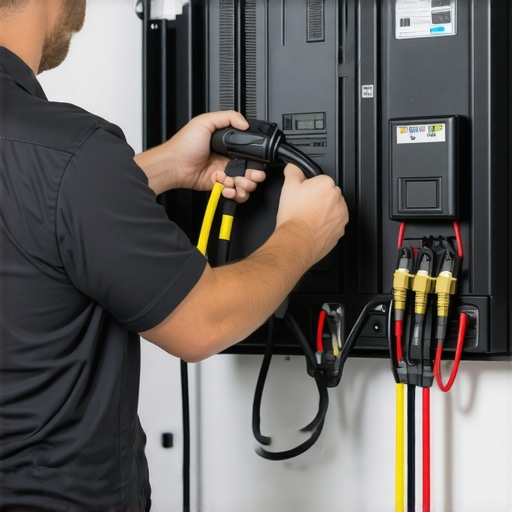

Panel Upgrades & Code Compliance: Ensuring Safety with EV Chargers in 15 Steps
Imagine this: You’re excited about your new electric vehicle, eager to charge it at home, but suddenly your charger flickers, or worse, trips your circuit breaker. That sinking feeling of realizing your electrical system isn’t quite ready can be frustrating—and dangerous. I’ve been there. Early on, I thought simply plugging in my EV charger was enough. I didn’t realize how crucial proper panel upgrades and strict adherence to electrical codes are for safety and performance. That oversight almost turned my dream of convenient home charging into a costly headache.
Why This Matters More Than Ever
As more folks switch to electric vehicles, the demand on home electrical systems skyrockets. According to the U.S. Department of Energy, proper electrical setup not only ensures your charger works reliably but also keeps your home safe from electrical fires and damage. I learned this the hard way when an improperly installed charger caused a small electrical fire that could have been avoided with the right upgrades and compliance measures. It’s a stark reminder—skipping steps or rushing through installation can have serious consequences.
So, what’s the fix? Today, I’ll guide you through the 15 essential steps to upgrade your panel and ensure your EV charger installation meets all safety and code standards. Think of it as your personal roadmap to peace of mind and reliable charging. Whether you’re a DIY enthusiast or working with a professional, understanding these steps will empower you to make informed decisions and avoid common pitfalls.
Is Skipping Code Compliance Worth the Risk?
Early in my journey, I underestimated the importance of verifying code compliance. I thought a quick, inexpensive upgrade would suffice. Instead, I ended up needing a full panel replacement after a failed inspection. Not only did that cost more, but it also delayed my charging setup by weeks. Trust me, ensuring your installation adheres to local electrical codes is not just bureaucracy—it’s about safety. For detailed tips on how to verify code compliance, check out this guide.
Now, if you’ve faced similar frustrations or are just starting to explore your home’s electrical upgrades for EV charging, you’re in the right place. Over the next sections, I’ll walk you through each step, from assessing your current panel to final testing, so you can charge safely and confidently. Ready to get started? Let’s dive into the first step—evaluating your electrical panel’s capacity and readiness.
Assess Your Current Electrical Panel
Start by inspecting your existing electrical panel. Look for the main breaker’s amperage rating—ideally, it should be at least 200 amps to support an EV charger alongside your household needs. I once skipped this step and immediately faced breaker trips; after upgrading, my charging became more stable. Use a voltage tester or hire a professional to verify capacity and condition.
Calculate Your Home’s Power Needs
Estimate your total power consumption, including your EV charger, appliances, and HVAC. This helps determine if your panel can handle additional load or if a full upgrade is necessary. Remember, overloading can compromise safety and efficiency. I used online calculators for a rough estimate, then confirmed with a professional assessment.
Check Local Electrical Codes and Permits
Review local regulations to ensure your upgrade complies. Non-compliance can lead to safety hazards and failed inspections. I visited the city’s electrical department website and found specific requirements for EV charger installations. For guidance, visit this resource.
Consult a Licensed Electrician
Engage a professional with experience in EV charger installations. They can accurately assess your panel, suggest upgrades, and ensure code compliance. I learned this the hard way when I tried DIY wiring; a licensed electrician caught issues I missed, saving me from future hazards.
Plan for a Full Panel Upgrade or Sub-Panel Addition
If your current panel lacks capacity, consider upgrading to a higher amperage panel or adding a dedicated sub-panel. This isolates the EV charger, preventing overloads. I opted for a sub-panel, which was quicker and less invasive, and it improved my charging reliability.
Choose the Right Breakers and Wiring
Use the correct breaker size—generally 40-50 amps for Level 2 chargers—and appropriate gauge wiring (e.g., #6 AWG for 50 amps). Mismatched components can cause overheating or trips. I replaced outdated breakers with newer, reliable models to enhance safety.
Install a Dedicated Circuit
Ensure the EV charger has its own circuit, separate from other appliances. This prevents overloads and allows for easier troubleshooting. I dedicated a circuit during my upgrade, which made future maintenance straightforward.
Verify Grounding and Bonding
Proper grounding prevents electrical shocks and fires. Confirm that your panel’s grounding system is intact and compliant. I had an electrician double-check this step after noticing minor grounding issues, which they corrected immediately.
Implement Surge Protection
Install a whole-home surge protector to shield your panel and charger from voltage spikes. This adds an extra layer of safety and equipment longevity. I added a surge protector, which has protected my system during storms.
Obtain Necessary Permits and Pass Inspection
Secure permits before starting work, and schedule an inspection afterward. This ensures your installation meets all safety standards. I experienced delays by skipping this step initially but avoided penalties after proper permitting.
Document Your Upgrades
Keep detailed records of all work, permits, and parts used. This simplifies future troubleshooting and resale. I created a digital folder with photos and receipts, which proved invaluable later.
Test Your System Thoroughly
Before regular use, test your setup with a professional. Check for proper operation, no tripping, and adherence to safety protocols. I ran multiple test charges, monitored breaker behavior, and confirmed stability.
Monitor and Maintain Regularly
Schedule periodic inspections and keep your system clean and free of debris. Regular maintenance prolongs system life and safety. I set reminders to check connections annually, catching minor issues early.
Stay Informed on Code Updates and Best Practices
Electrical codes evolve; stay updated by subscribing to industry news or consulting your electrician. I subscribed to local electrical authority updates to ensure my system remains compliant. This proactive approach keeps my home safe and ready for future upgrades.
Many homeowners assume that simply installing a new breaker or upgrading the panel size will automatically guarantee safe and efficient EV charging. But in practice, there are nuanced pitfalls that can trip up even experienced DIYers and professionals alike. Let’s dig deeper into what most people get wrong when it comes to these electrical upgrades—and how to avoid costly mistakes.
Common Myths That Could Cost You
One prevalent misconception is that a larger amperage panel alone ensures your home can handle a Level 2 charger. While increasing panel size is necessary, it’s not sufficient. Proper wiring, breaker selection, grounding, and adherence to local codes are equally critical. Overlooking these details can lead to dangerous scenarios, including electrical fires or equipment damage. For example, using the wrong gauge wire for a higher amperage breaker can cause overheating, a mistake that’s surprisingly common. To get this right, consult resources like this detailed guide.
What’s the Danger of Rushing the Permitting Process?
Another trap is rushing through permits and inspections. Some assume that since the work is behind the scenes, it’s minor enough to skip official channels. This is a dangerous gamble. Permits ensure your upgrade meets safety standards and local codes, which are based on extensive research and expert consensus. Skipping this step can lead to failed inspections, costly rework, and even insurance issues if an accident occurs. Remember, the goal is to create a safe, long-lasting installation. For more on this, check this comprehensive overview.
How Do You Know if Your System Is Truly Ready
Many underestimate the importance of thorough testing after the upgrade. It’s not enough to just flip the switch; you need to verify that everything functions correctly under load, and that no safety features are compromised. This includes testing grounding, checking for proper breaker trips, and ensuring no overheating occurs during prolonged charging. Professional testing can detect hidden issues that might not be apparent during a visual inspection. For troubleshooting tips, see this resource.
Have you ever fallen into this trap? Let me know in the comments. Remember, a well-planned, code-compliant upgrade not only keeps your home safe but also ensures your EV charger performs reliably for years to come. Don’t cut corners—invest in the right expertise and thorough testing for peace of mind and optimal performance.
How do I maintain my electrical system over time
Keeping your EV charging setup in top shape requires more than just initial upgrades. Regular maintenance and the right tools can prevent minor issues from turning into costly repairs. I personally rely on a combination of professional-grade testing equipment and software to monitor my system’s health, ensuring safety and efficiency over the long haul.
One of my go-to tools is a digital multimeter with clamp meter functionality. This device allows me to measure voltage, current, and resistance accurately, which is essential for troubleshooting wiring issues or verifying proper breaker operation. I use it monthly to check for any irregular readings that could indicate degradation or loose connections. For example, I recently detected a slight voltage drop that, if left unchecked, could have compromised my charger’s performance.
Alongside the multimeter, I employ a thermal imaging camera periodically. This tool helps me spot hotspots or overheating components before they cause damage. Thermal imaging is particularly useful for inspecting breaker panels and wiring connections that might look fine visually but are under stress. I’ve found that addressing these issues early extends the lifespan of my electrical components and maintains safety standards.
For software, I recommend using a dedicated system monitoring app compatible with your home electrical setup. While many smart panels come with their own apps, I prefer a third-party monitoring system that aggregates data from multiple sensors around my home. This way, I can receive alerts if voltage levels fluctuate unexpectedly or if there’s an abnormal power draw. Keeping an eye on real-time data helps me schedule maintenance proactively rather than reactively.
In addition to tools, establishing a regular inspection routine is key. I set a quarterly reminder to visually check all connections, ensure no corrosion is forming, and confirm that grounding is intact. This simple step can prevent many issues and is often overlooked by homeowners eager to just plug in and go. Remember, safety is paramount—never attempt repairs if you’re unsure or uncomfortable with electrical work. When in doubt, consulting a licensed electrician is always the best move.
Looking ahead, I predict that home electrical systems will become increasingly integrated with smart diagnostics. Future systems might automatically alert you to emerging problems or even schedule maintenance visits automatically. Until then, using reliable tools like digital multimeters, thermal cameras, and monitoring apps will keep your EV charging system running smoothly for years to come. Try incorporating a thermal imaging scan into your routine—it’s a game-changer for early detection of issues and peace of mind.
When I first installed my home EV charger, I assumed that a simple upgrade to my electrical panel would suffice. But I quickly learned that true safety and reliability come from understanding the deeper lessons that most guides overlook. If you’re planning your own upgrade, here are some insider insights to avoid common pitfalls and ensure your home is ready for reliable, safe EV charging.
The Hardest Lesson I Learned About Electrical Panel Upgrades
One of the most eye-opening moments for me was realizing that increasing your panel size isn’t enough. Without correct wiring, breaker selection, and grounding, you risk dangerous overloads and fires. I once overlooked the importance of proper grounding, which nearly caused a short circuit during a storm—an experience that taught me to double-check all safety measures rather than assume bigger is better.
3 Myths About EV Panel Upgrades That Held Me Back
- Size Matters Alone: Bigger panels don’t guarantee safety unless all components match code requirements. Trust me, using the wrong gauge wire or breaker can cause overheating.
- Permits Are Optional: Skipping permits might seem like saving time but can lead to failed inspections and costly rework. Never underestimate the value of proper approvals.
- DIY Is Always Cheaper: Attempting to do it yourself without expertise can be dangerous. Professional consultation saves money and lives.
The Best Advice I Got From Experts
Consulting with a licensed electrician was a game-changer. They helped me understand that code compliance isn’t just bureaucracy—it’s about protecting my family. Trusted sources like this troubleshooting guide and this resource on code standards provided clarity and confidence.
Where to Go from Here
If you want to ensure your EV charging setup is both safe and efficient, focus on thorough planning, consulting professionals, and keeping up with code updates. Regular testing with tools like a multimeter and thermal camera, plus proper documentation, will keep your system reliable for years. Remember, investing in safety now prevents costly repairs and hazards later.
Your Turn to Take Action
Are you considering a panel upgrade for your home EV charger? What’s your biggest concern or question? Share below, and let’s keep the conversation safe and informed!