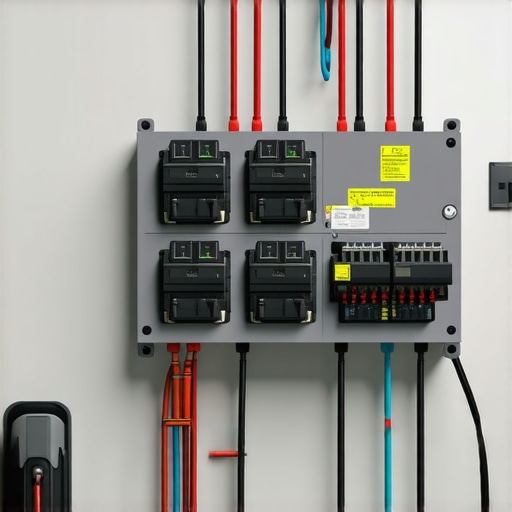

Panel Upgrades & Code Compliance: Ensuring Safe EV Charging at Home in 14:37
One evening, I heard a sudden flicker in my garage lights while my EV charger was running. My heart sank. It hit me—my old electrical panel was barely holding up. That moment was a wake-up call. If you’re like me, you want the convenience of charging your electric vehicle at home without risking electrical fires or code violations. But how do you ensure your setup is safe, compliant, and reliable?
Why Proper Panel Upgrades Matter for Safe EV Charging
Most homeowners underestimate the importance of a dedicated, code-compliant electrical setup for EV chargers. I learned this the hard way when my initial installation caused frequent circuit tripping. That’s when I discovered the critical role of panel upgrades and adherence to electrical codes. An outdated panel can be a ticking time bomb, especially with the increased load from EV chargers. According to the National Fire Protection Association, improper electrical installations are a leading cause of home electrical fires, many of which could be prevented with correct upgrades and inspections. Ensuring your panel and wiring meet current standards isn’t just about avoiding fines—it’s about safety and peace of mind.
Have you faced unexpected breaker trips or worried about your home’s electrical safety while charging? You’re not alone. Many homeowners make the mistake of ignoring these warning signs, thinking they’re just minor inconveniences. But ignoring these signs can lead to costly repairs or dangerous situations. Early on, I overlooked the importance of verifying my system’s compliance, which nearly led to a disaster. That’s why I now recommend every homeowner with an EV charger to consider a professional panel upgrade and thorough code compliance check. Want to learn how to do this right? Keep reading for practical tips and trusted resources.What We Will Cover Today
In this post, I’ll walk you through the essential steps to upgrade your electrical panel safely, ensure your installation complies with local codes, and avoid common pitfalls. I’ll share insights from my own experience and point you to expert resources. Whether you’re just starting or need to verify your current setup, these tips will help you charge your EV safely and efficiently at home. Ready to take charge of your electrical safety? Let’s dive in.
Is Upgrading Your Panel for EV Charging Actually Worth the Hassle?
Many homeowners doubt whether investing in a panel upgrade is necessary. I once thought the same, but I learned that an upgraded panel not only supports faster, more reliable charging but also reduces fire risk and meets all safety standards. Neglecting this can lead to expensive repairs down the line, or worse, safety hazards. To understand the importance of proper upgrades, check out this comprehensive guide. Trust me, it’s a small investment with huge safety returns. If you’re unsure where to start, reaching out to a licensed electrician can make all the difference. You can contact experts at Bright Spark Electric to help you navigate your upgrade options and ensure compliance.
Assess Your Current Electrical System
Start by inspecting your existing electrical panel. Look for signs of aging such as rust, scorch marks, or tripped breakers. Turn off all loads and open the panel to see the number of circuits and the size of your main breaker. I once found a 100-amp panel that was barely rated for modern home use, let alone an EV charger. Use a digital multimeter to verify voltage levels and check for any irregular readings. If you’re unsure, it’s wise to consult a professional to evaluate your system’s capacity. For detailed guidance, visit this resource.
Determine Your Power Needs
Calculate the load your home currently uses and the additional load from the EV charger. For example, a Level 2 charger typically requires 40-50 amps dedicated circuit. Think of your panel as a highway; overloaded, traffic jams occur, increasing fire risk. I once upgraded my panel to 200 amps after realizing my existing 100-amp service couldn’t handle the additional load without risking overloads. Use online calculators or consult an electrician to size your panel correctly. Proper sizing prevents future issues and ensures your charger operates efficiently.
Plan Your Upgrade Path
Decide whether a full panel upgrade or a subpanel addition makes sense. A full upgrade involves replacing the entire panel, which is like replacing an old engine with a new one—more costly but more reliable. A subpanel can be a cost-effective way to add circuits without replacing the entire system. For my home, I opted for a full upgrade, which gave me peace of mind and room for future upgrades. Check local codes and zoning laws before proceeding; some areas require permits. For detailed planning, visit this guide.
Select the Right Panel and Breakers
Choose a panel that meets current safety standards, with enough capacity and space for additional breakers. A common upgrade is installing a 200-amp panel with dedicated circuits for EV chargers. Think of breakers as gatekeepers—they control the flow of electricity and protect against overloads. I installed a dedicated 50-amp breaker for my Level 2 charger, ensuring it doesn’t trip due to other loads. Always match breaker sizes and wire gauges to meet code requirements. For expert tips, see this article.
Hire a Licensed Electrician
While DIY can be tempting, panel upgrades involve complex wiring and code compliance. I learned this the hard way when I attempted a minor upgrade myself and missed critical grounding requirements. A licensed electrician will verify your system, select appropriate components, and ensure everything is up to code. Contact a professional at Bright Spark Electric for expert assistance. They will handle permits, inspections, and testing, saving you time and ensuring safety.
Ensure Code Compliance Throughout
Compliance isn’t just about avoiding fines; it’s about safety. Use resources like this checklist to verify your setup. An electrician will also perform a detailed inspection, checking wiring, grounding, and breaker integrity. I once overlooked a grounding issue, which nearly caused a shock hazard. Regular inspections and adherence to local electrical codes safeguard your home and family.
Test and Finalize Your Setup
Once your upgrade is complete, test your system thoroughly. Use a multimeter to verify voltage and inspect all connections for tightness. Plug in your EV charger and monitor its operation. If you encounter issues, troubleshoot immediately or consult your electrician. For troubleshooting tips, see this troubleshooting guide. Proper testing ensures your charging station is safe, reliable, and ready for daily use.
Many homeowners assume that once their EV charger is installed and functioning, the job is done. However, there are nuanced pitfalls that even experienced DIY enthusiasts often overlook, leading to safety hazards or costly repairs down the line. Let’s dig deeper into misconceptions, common mistakes, and advanced traps to avoid when dealing with EV chargers, troubleshooting, and panel upgrades.
Why Most People Overlook the Fine Print in Code Compliance
One of the biggest myths is that following basic wiring diagrams or using generic components guarantees code compliance. In reality, local electrical codes vary significantly and evolve over time. What passed inspection five years ago might not meet current standards. For example, some jurisdictions now require GFCI protection for outdoor chargers or dedicated circuits for Level 2 chargers. Neglecting these details can result in failed inspections or, worse, safety violations. Always verify your setup against the latest local code requirements. Trust me, skipping this step is a trap that can cost you big.
Common Misunderstanding About Troubleshooting
Many assume that if the charger isn’t working, the problem lies solely with the device or the outlet. But the real culprit could be your electrical panel or wiring. A frequent mistake is ignoring ongoing circuit trips or subtle signs like flickering lights, which indicate underlying issues. Advanced troubleshooting involves checking for correct grounding, proper breaker sizing, and voltage stability — aspects that are often overlooked by amateurs. For example, I once spent hours troubleshooting my charger’s connectivity, only to discover a loose connection in the panel that was causing fluctuations. For complex issues, consult this troubleshooting guide. Remember, quick fixes rarely solve deeper problems.
Intimidated by Panel Upgrades? Think Again
A common misconception is that panel upgrades are always expensive and disruptive. While not trivial, modern panel upgrades are more straightforward than many believe, especially when approached with professional help. The key is understanding the nuances of circuit load calculations and selecting components that meet current standards. For instance, I opted for a 200-amp upgrade, which not only supported my current needs but also future-proved my home. The trap here is underestimating your load or trying to modify your existing panel without proper sizing, which can lead to overloads or fire hazards. To get it right, explore this detailed guide. Don’t fall into the trap of DIY shortcuts when it comes to panel safety.
How Do You Know When Troubleshooting Is Complete?
An advanced question often asked by homeowners is how to confirm that their problem is truly resolved. It’s tempting to see the charger turn on and assume all is well. However, a thorough check involves verifying that all connections are tight, that the circuit is not tripping under load, and that your system complies with safety standards. Use a multimeter to confirm voltage stability, and consider scheduling periodic inspections to catch issues early. Remember, safe EV charging isn’t a one-time fix but a continuous commitment. For ongoing tips, check this resource. Have you ever fallen into this trap? Let me know in the comments.
How do I maintain my EV charging system over time?
Keeping your EV charger in top condition requires more than just initial installation; it involves regular checks, using the right tools, and understanding when to call in professionals. Over time, dust, corrosion, and electrical wear can cause issues that are often overlooked until they lead to bigger problems. To prevent downtime and ensure safety, I recommend investing in specific tools and following a maintenance routine.
First, a high-quality digital multimeter is indispensable. I use my Fluke 115, renowned for its precision and durability, to regularly verify voltage levels at the outlet and panel connections. This helps catch subtle drops or irregularities before they turn into costly repairs. For example, I check my main breaker and dedicated charger circuit monthly, especially after storms or power surges.
Next, a reliable circuit tester, such as the Klein Tools ET300, is great for quick assessments of outlet wiring and GFCI functionality. It’s simple to use and alerts me immediately if there’s a wiring fault or ground issue that could compromise safety.
Additionally, I highly recommend maintaining your electrical panel with a professional inspection at least once a year. An electrician can inspect for signs of aging, corrosion, or loose connections that are not visible during casual checks. During these inspections, I also ask them to verify that the breaker sizes are correct and that grounding is intact, adhering to current code standards.
For ongoing monitoring, smart energy management systems like Sense or Neurio can provide real-time insights into your electrical load. These systems help identify unusual consumption patterns that might suggest wiring issues, overloads, or equipment malfunction, allowing proactive maintenance.
Looking ahead, the trend in EV charging maintenance is moving toward automation and remote diagnostics. Advanced IoT-enabled panels and software will soon alert homeowners and electricians about issues before they impact daily use. Staying updated with these innovations ensures you’re prepared for seamless, long-term operation of your charging setup.
To get started, incorporate a multimeter check into your monthly routine, and schedule an annual professional inspection. Doing so will extend the lifespan of your equipment, keep your home safe, and ensure your EV is always ready to go when you are. Want to learn more about maintaining your panel or troubleshooting common issues? Reach out to experts at Bright Spark Electric for tailored advice and professional support.
What I Wish I Knew Before Upgrading My Panel for EV Charging
One of the toughest lessons I learned was not to underestimate the importance of detailed code compliance. I once thought a simple upgrade would suffice, but overlooked local electrical code variations, which nearly caused delays and safety issues. Now I know that each upgrade should be approached as a custom project, tailored to your local laws and future needs.
Another insight came from troubleshooting my system. I assumed a circuit trip was just a minor glitch, but it was a sign of deeper wiring issues. Regularly verifying connections and using the right tools can save you hours and money—and prevent hazards. I also learned that professional inspection isn’t just a box to check; it’s a vital step to ensure ongoing safety and compliance.
Lastly, I realized that DIY shortcuts in panel upgrades often lead to more problems down the line. Investing in a quality upgrade with a licensed electrician might seem costly initially, but it’s a small price for peace of mind. Remember, safety isn’t something to cut corners on, especially when dealing with high loads like EV chargers.
My Must-Have Resources for a Safer EV Charging Setup
Over time, I found that having the right tools makes all the difference. My favorite is the Essential Guide to Panel Upgrades, which offers step-by-step insights on sizing and compliance. For troubleshooting, Expert Troubleshooting Tips saved me hours of guesswork and helped me identify hidden wiring faults.
Additionally, I rely on code compliance checklists to ensure I’m following local standards, which prevents fines and safety hazards. Finally, I keep a good multimeter and circuit tester handy for quick checks—tools I trust to keep my system safe and reliable.
Now It’s Your Turn to Power Up Safely
Taking control of your EV charging setup is empowering, but it requires attention to detail and a commitment to safety. Don’t wait for a flickering light or tripped breaker to get serious—proactively upgrade, verify, and maintain your electrical system. Your home and loved ones depend on it. Ready to make your home safer and more reliable for EV charging? Dive into the resources I trust and start your upgrade today.
What’s the biggest challenge you’ve faced with your electrical setup for EV charging? Let me know below!