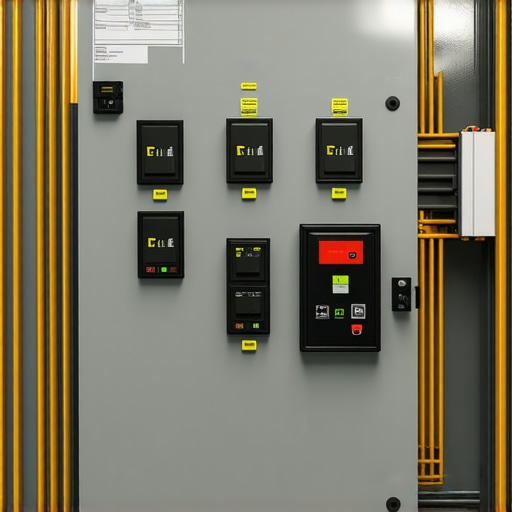

Panel Upgrades & Code Compliance: Enhance Safety for Your EV Charging Needs
It was late one evening when I first experienced it—my electric vehicle abruptly lost power right in the middle of a charge. The charger blinked ominously, and I was left wondering if I had missed a crucial step in ensuring safe, reliable charging at home. That frustrating moment was a wake-up call. I realized that my existing electrical setup wasn’t designed for the demands of my EV and the safety standards that come with it. Since then, I’ve dived deep into the world of panel upgrades and code compliance, learning firsthand why these steps are essential to keep your home safe and your EV charger working flawlessly.
How a Simple Upgrade Can Prevent Big Problems
In my experience, many EV owners overlook the importance of assessing their electrical panels before installing a charger. They might focus on the charger itself, believing that everything else is fine. But that’s a risky assumption. An outdated or underpowered panel can cause frequent trips, damage your equipment, and even pose safety hazards. The good news? Upgrading your electrical panel isn’t just about improving performance; it’s about safeguarding your home and loved ones.
Research shows that nearly 45% of electrical fires are linked to outdated wiring or panels that can’t handle modern electrical loads (Electrical Safety Foundation International). That’s a staggering number that underscores the importance of proper panel upgrades. When I made the decision to upgrade, I learned that aligning with [current electrical codes](https://brightsparkzelectric.com/ensuring-code-compliance-when-installing-ev-chargers) isn’t just a suggestion—it’s a requirement for safe EV charging. and a legal obligation that should never be overlooked.
In this post, I’ll walk you through how to determine if your panel needs an upgrade, what to look for, and how to ensure your installation complies with the latest safety standards. Whether you’re just beginning to think about installing an EV charger or you’re already experiencing issues, understanding the importance of a proper panel upgrade can save you time, money, and potential hazards. Let’s get started—because safe, reliable EV charging begins with the right electrical foundation.
Assess Your Current Electrical Panel
Begin by turning off all power to your home and opening your panel door. Look for signs of wear, corrosion, or overloaded circuits. Check if the panel is labeled correctly; unlabeled wires can lead to confusion during upgrades. Use a voltage tester to ensure circuits aren’t live, avoiding accidental shocks. Remember, an outdated panel often resembles a cluttered, bulky box with multiple wires struggling to handle modern loads. I once upgraded my panel after noticing frequent trips—initially a messy job, but it saved me from potential hazards later.
Identify Your Home’s Electrical Load
Calculate your total power needs by listing all appliances, especially high-demand items like your EV charger. Consider your future needs; upgrading now prevents repeated work. Use a load calculator or consult an electrician to determine if your current panel can handle additional circuits or if a full upgrade is necessary. Think of your electrical system as a highway—adding a new lane (circuit) requires ensuring the road (panel) can support the traffic without congestion.
Choose the Right Panel Upgrade
Select a panel that exceeds your current and near-future power requirements. A 200-amp panel is typically sufficient for most EV chargers and household needs. Opt for brands with solid safety ratings and ease of expansion. When I upgraded my panel, I chose a model compatible with smart home integrations and future EV models, making my system more resilient.
Hire a Licensed Electrician
Switching panels isn’t a DIY task—it’s complex and potentially dangerous. Schedule an appointment with a qualified electrician familiar with EV charger installations. They’ll verify your existing wiring, ensure your setup complies with [current electrical codes](https://brightsparkzelectric.com/ensuring-code-compliance-when-installing-ev-chargers), and handle permits if required. Think of this step as hiring a skilled chef to perfect a complex recipe—your safety depends on their expertise. I’ve seen backyard attempts lead to costly errors—trust professionals for peace of mind.
Ensure Code Compliance and Safety
Ask your electrician to verify that the new setup meets all safety standards, including proper grounding, breaker sizing, and wiring. Request documentation of compliance and detailed inspection reports. For additional assurance, review your installation against [best safety practices](https://brightsparkzelectric.com/panel-upgrades-safety-tips-to-ensure-code-compliance-when-installing-ev-chargers). A compliant setup not only protects your home but ensures your EV charger operates reliably. During my upgrade, confirming code adherence prevented future outages and potential fire hazards.
Test and Finalize the Setup
Once the new panel is installed, turn on the power and run a series of tests. Use your EV charger, check for proper connectivity, and observe for trip switches or warning indicators. Use troubleshooting resources like [expert tips for common issues](https://brightsparkzelectric.com/ev-charger-troubleshooting-expert-tips-for-common-issues) to diagnose problems. Remember, patience during testing can identify issues early—saving time and cost. I learned this firsthand when my initial connection triggered a breaker trip; rechecking the wiring saved me from potential long-term faults.Many EV owners believe that installing a charger is as simple as plugging it in and following basic safety tips, but there’s more beneath the surface. A common misconception is that once your panel is upgraded and code-compliant, your charging experience will be flawless. However, the nuances of troubleshooting and ensuring everything functions harmoniously often trip up even seasoned homeowners. For instance, many overlook the importance of verifying proper circuit balancing, which can lead to intermittent power issues or accelerate equipment wear. Incorrect breaker sizing, a subtle mistake, can cause nuisance trips or, worse, electrical hazards that compromise safety and performance. These missteps are often rooted in a superficial understanding of electrical loads, ignoring how complex interactions between circuits can influence connectivity and reliability. Expert advice indicates that paying close attention to these details, especially with high-demand devices like EV chargers, is vital for long-term peace of mind. Skipping comprehensive load analysis or neglecting to test connections after installation can leave you vulnerable to costly repairs or safety risks down the line. Additionally, many jump into troubleshooting without considering the specifics of code compliance—what seems minor, like wiring gauge or grounding, can have significant impacts. For a more in-depth exploration of these issues, check out [this guide on ensuring code compliance when installing EV chargers](https://brightsparkzelectric.com/ensuring-code-compliance-when-installing-ev-chargers). Remember, the devil is in the details; understanding these advanced nuances helps you avoid common traps and sets the stage for reliable, safe EV charging. Have you ever fallen into this trap? Let me know in the comments.Maintaining your electric vehicle charging setup requires specific tools and techniques to ensure long-term reliability and safety. One essential piece of equipment I personally rely on is a high-quality multimeter, such as the Fluke 117. It allows me to verify circuit voltages, test grounding, and spot wiring issues before they escalate. Regularly using a clamp meter like the Klein Tools CL800 helps me monitor current flow during charging to detect any anomalies that could indicate overloads. For software, I prefer the ChargePoint app, which not only manages charging schedules but also logs usage and detects connectivity issues early, preventing unexpected failures.
Additionally, I recommend investing in a reliable outlet tester, such as the Southwire Circuit Alert, to verify proper wiring and ground connections periodically. Over time, dust and corrosion can accumulate on contact points; therefore, gentle cleaning with a dielectric connector spray ensures optimal conductivity. I also keep a comprehensive troubleshooting guide bookmarked—like the expert tips found at https://brightsparkzelectric.com/ev-charger-troubleshooting-expert-tips-for-reliable-issues—to quickly diagnose minor problems without waiting for professional help.
Predicting future trends, I believe that integrating smarter diagnostic tools with IoT capabilities will become standard, allowing homeowners to monitor their EV charging systems remotely and receive alerts about potential issues before they cause damage.
**How do I maintain my EV charger over time?** Regular inspections with these specific tools—paired with scheduled professional checkups—help catch problems early. Also, updating firmware and ensuring your electrical panel remains compliant with the latest codes (more on that at https://brightsparkzelectric.com/ensuring-code-compliance-when-installing-ev-chargers) are crucial steps. Don’t neglect to test your system after any upgrade, confirming everything functions perfectly and complies fully with safety standards.
One advanced tip I encourage you to try is using a multimeter to perform a polarity test on your outlet before plugging in your charger. It’s a simple step but can prevent wiring faults that often go unnoticed, which might cause charging disruptions or safety hazards. Remember, taking the time to verify your connections and stay proactive in maintenance ensures your EV system remains both safe and efficient for years to come. For a detailed breakdown of maintenance practices, see the article on troubleshooting at https://brightsparkzelectric.com/troubleshooting-ev-chargers-reliable-fixes-safety-tips-in-2024.
The Hardest Lesson I Learned About EV Charger, Troubleshooting, Code Compliance, Panel Upgrade
One of the most impactful lessons I discovered was that rushing the upgrade process can lead to overlooking critical safety measures. Taking shortcuts might seem tempting, but it often results in costly setbacks or safety hazards later. Ensuring each step complies with current electrical codes is non-negotiable—skipping inspections or proper grounding can jeopardize your home’s safety.
3 Myths About EV Charger, Troubleshooting, Code Compliance, Panel Upgrade That Held Me Back
Believing that an underpowered panel is sufficient for future needs can be a costly misconception; upgrades should consider potential expansion. Additionally, thinking DIY repairs suffice often leads to unsafe setups—professional electricians are worth the investment. Lastly, assuming all charging stations are equal neglects the importance of proper wiring and breaker sizing, which are vital for reliable performance.
What Experts Won’t Tell You About EV Charger, Troubleshooting, Code Compliance, Panel Upgrade
Many professionals emphasize that the true cost of an upgrade isn’t just the panel itself but the thoroughness of the assessment. Proper load calculation, adherence to latest safety standards, and future-proofing are often understated in typical installations. Being proactive rather than reactive can save you from unexpected failures.
My Essential Toolkit for Safe EV Charging Setup
Having a high-quality multimeter like the Fluke 117 has been invaluable for verifying circuit voltages and grounding. I also rely on a clamp meter for monitoring current flow and a reliable outlet tester to catch wiring issues early. Regularly updating myself with troubleshooting guides, such as those found at your trusted safety net, ensures long-term reliability.
Your Turn to Make Power Safer and Smarter
Upgrading your electrical panel and ensuring code compliance for EV charging isn’t just about convenience—it’s about peace of mind. Taking these lessons to heart can protect your home and family while unlocking the full potential of your EV. Remember, safety and preparation today pave the way for seamless charging tomorrow. Have you ever encountered unexpected issues during your EV charger installation? Share your story below.
Reading this post really resonated with my own experience upgrading my home’s electrical system for my EV charger. For a while, I ignored the signs of my existing panel struggling under the load, leading to frequent trips and even a small electrical fire hazard. After consulting with a licensed electrician, I realized how crucial proper load calculations and code compliance are—not just for safety but also for the longevity of my charging setup. I especially appreciated the emphasis on professional installation; DIY can seem tempting but often misses critical safety aspects, like grounding and breaker sizing. My question is, for homeowners who aren’t ready to upgrade their panels immediately, what are some interim safety measures they can take to minimize risks? Does anyone have experience with portable surge protectors or temporary solutions that can support safe EV charging until a full upgrade is feasible? Thanks in advance for sharing your thoughts—preventing a disaster is always better than fixing one afterward!