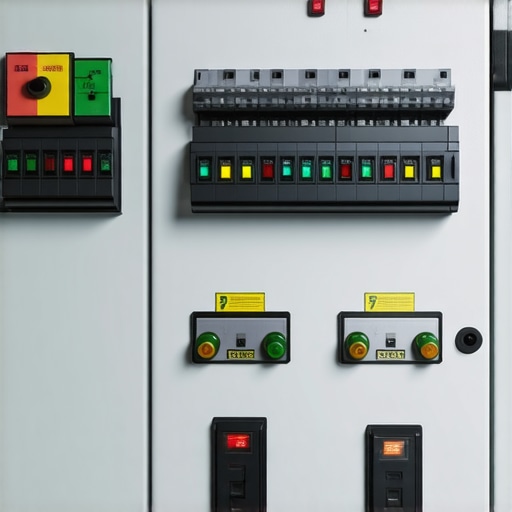

Does Your Panel Fail the 2026 80% EV Continuous Load Rule?
I’ll never forget the moment my EV charger kept tripping circuit breakers during a chilly winter evening. Frustration turned to concern when I realized that my home’s electrical panel might not just be underperforming—it could be failing the upcoming 2026 80% load rule. That lightbulb moment made me dive deep into the complexities of code compliance and panel capacity, lessons I wish I’d learned earlier.
Why You Need to Get Ready Before 2026
With the 2026 regulations looming, many homeowners are waking up to the fact that their existing panels may not meet new standards for EV charging. The rule stipulates that your panel must support continuous loads up to 80% of its capacity—no small feat if your system isn’t prepared. Failing to comply could mean costly upgrades or worse, failed inspections that delay your charging plans. From my own experience, overlooking these details can turn a simple upgrade into a whole new project.
Skeptical? You’re Not Alone
Here’s where I went wrong early on: I assumed my 150-amp panel was sufficient without verifying if it really supported the new load demands. Trust me, one of the biggest mistakes I made was neglecting to check the actual code requirements. It’s a common trap, but knowing what to look for can save you a lot of headaches. For a comprehensive guide on ensuring your setup passes inspection, I recommend reviewing [this resource](https://brightsparkzelectric.com/ensuring-code-compliance-when-installing-ev-chargers).
So, do you know if your panel can handle the extra load? Or are you in the same boat, realizing too late that your system might need an upgrade? Don’t worry—I’ve got your back. Let’s explore the steps to make sure your panel is ready for the 2026 rules and avoid the pitfalls I encountered.
Assess Your Current Panel Capacity
Begin by checking your home’s main electrical panel rating. Use a non-contact voltage tester or inspect the panel label directly. Compare the existing amperage to the anticipated load from multiple EV chargers or high-powered appliances. If your panel is below 200 amps, consider that it might not support future needs without an upgrade. Remember, an overloaded panel can cause frequent trips or fire hazards, so accuracy here is critical. As I found out during my own upgrade, verifying this step early avoids surprises later.
Calculate Your Load Demands Accurately
Estimate Your Expected EV Charging Power
Determine the wattage your EV charger will draw, typically between 7.2kW and 19.2kW for home chargers. Multiply the charger’s wattage by the hours of daily use to get the daily consumption. Add this to your home’s existing baseline load—lights, HVAC, kitchen appliances—to see if your current panel can handle the total load comfortably. Think of your electrical system as a highway; exceeding capacity causes traffic jams and potential breakdowns. Precise calculations prevent sudden outages and prepare you for legal compliance.
Use a Load Calculation Tool
Utilize electrical load calculators or consult with a licensed electrician to get a detailed analysis. This helps you understand if your system supports the added EV load under the 80% rule. For example, during my project, using a calculator revealed I needed a panel upgrade sooner than anticipated, saving me from code violations. Proper load assessment acts as the blueprint for your upgrade plan.
Verify Code Compliance Like a Pro
Don’t assume your electrical setup passes local codes. Use the resource provided by Bright Spark Electric to verify code compliance. This involves checking grounding, circuit breakers, conductor sizing, and labeling. Think of it as the inspection checklist that keeps your installation legit and safe. I once overlooked a grounding issue that caused my system to trip; catching it early would have saved hours of troubleshooting later.
Perform a Visual Inspection of Your Panel
Look for signs of aging, corrosion, or loose connections. Use a flashlight and insulated tools if needed. Tighten any loose terminals and replace worn-out breakers. If you’re unsure, an electrician’s eyes can catch things you might miss. I hired a pro after my own inspection, and their expertise uncovered a small crack in a bus bar, a potential hazard I would have ignored otherwise.
Plan for the Upgrade or Reinforcement
If calculations or inspections indicate your panel isn’t sufficient, plan for an upgrade. Options include installing a new, higher-capacity panel or adding dedicated subpanels for EV chargers. In my case, combining a panel upgrade with a load management system not only resolved my immediate issues but also future-proofed my system against growth. Check out the detailed guide on upgrading your panel for more ideas.
Consult a Licensed Electrician
Remember, electrical work is complex and potentially dangerous. Engage a qualified electrician to verify your assessments, perform upgrades, and ensure everything aligns with current codes. Their expertise can prevent costly mistakes and ensure safety. After my upgrade, a professional signed off on all work, giving me peace of mind and a system ready for 2026’s new standards.
By systematically evaluating your panel’s capacity, calculating your load demands with precision, verifying code compliance thoroughly, and planning an informed upgrade, you set a strong foundation for future EV charging needs. This proactive approach not only complies with upcoming regulations but also safeguards your home and investments.
Many homeowners assume that upgrading their electrical panels or installing EV chargers is straightforward, but the reality is more complex and riddled with misconceptions. One of the most prevalent errors is believing that a panel rated at 150 amps will automatically support multiple high-demand EV chargers without any upgrades. In practice, this can lead to overloaded circuits and code violations, especially as regulations become more stringent. Professionals emphasize that the capacity of your panel isn’t solely about the amperage rating but also involves proper load calculations and understanding your home’s unique demands. Rushing into an upgrade without thorough assessment can cause costly delays and safety hazards.
A common myth is that all EV chargers are interchangeable or require minimal wiring adjustments. However, different models have varying power requirements and compatibility issues. Selecting a charger without considering your panel’s actual support capabilities might trigger unnecessary troubleshooting later. For example, some advanced chargers incorporate features like smart load management, which can help balance power demand but require initial system integration and proper circuit design. To navigate this successfully, consult comprehensive resources such as expert troubleshooting guides.
Another nuanced aspect is the misconception around code compliance. Many assume if their electrical work appears sound, it automatically meets local standards. In reality, code requirements can be quite detailed, encompassing grounding, circuit breaker sizing, wiring methods, and labeling. Missing a single detail can result in failed inspections or, worse, unsafe conditions. For instance, recent updates emphasize the importance of dedicated circuits for EV chargers to prevent overloads, especially with the advent of bidirectional and V2G features. Always verify your setup against the latest code compliance guidelines to ensure safety and legality.
The ‘oops’ factor here is underestimating the importance of professional assessment. DIY solutions can be tempting, but without a thorough understanding of load dynamics and code intricacies, you risk safety violations or future upgrades. For example, a misleading belief that a simple panel upgrade suffices neglects the need for proper grounding and wiring harmonization, especially in older homes. Proactively engaging licensed electricians who are familiar with evolving EV-specific regulations can prevent these pitfalls and save money in the long run.
For advanced homeowners or professionals seeking to optimize their systems, understanding these hidden nuances can make the difference between a smooth upgrade and a costly failure. Stay ahead by consulting expert resources, staying updated on code changes, and recognizing that electrical safety is a layered discipline. Have you ever fallen into this trap? Let me know in the comments.
How do I maintain my EV charging setup to ensure longevity and safety
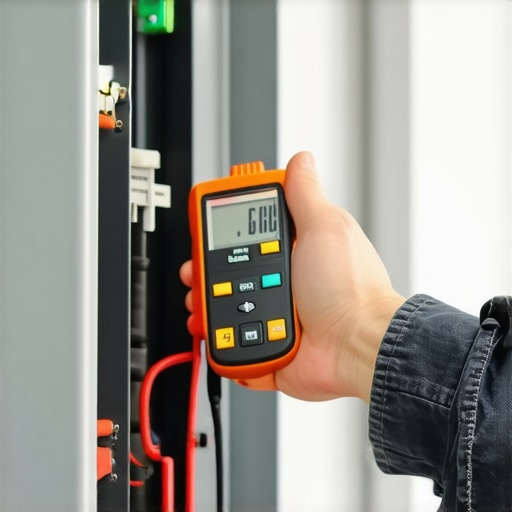
Maintenance is essential to keep your electrical system working efficiently and safely, especially as your EV setup becomes more integrated into your home. I personally recommend investing in the right tools and adopting routine checks to prevent minor issues from escalating. For this purpose, a high-quality clamp meter, such as the Fluke 323 True RMS Clamp Meter, has become my go-to device. It allows me to quickly measure current draw on circuits without disconnecting wiring, helping identify overloads or unexpected power fluctuations early on.
Additionally, a digital multimeter with capacitance and resistance testing capabilities ensures your wiring and breakers are in good condition. I regularly verify connections, verify grounding integrity, and check for signs of wear or corrosion. Combining these tools with a detailed maintenance log helps track when inspections or replacements occurred, which is crucial for long-term reliability.
Software tools also play a role here. Many modern EV chargers come with companion apps that provide diagnostic information. I use the app to monitor charging sessions, voltage stability, and alert notifications. Keeping the firmware updated, as advised in verification resources, ensures your system benefits from the latest improvements and security patches. As technology evolves, I predict integration with smart home systems will become more prevalent, enabling better remote diagnostics and automation for maintenance tasks.
Picking the Right Troubleshooting Approach
When issues arise, having reliable diagnostic steps saves time and prevents unnecessary parts replacement. I follow a methodical approach: first, check for obvious sign of damage or wear, then verify circuit integrity with a multimeter, and finally, test communication signals if applicable. For example, if your charger isn’t responding properly, consult troubleshooting guides like this expert resource to identify common causes and solutions.
Regular inspections, combined with proper tools, mitigate risks of overheating, electrical faults, or code violations. In the future, I see a trend where AI-integrated diagnostic tools will predict failures before they happen, based on usage patterns and system health data—making proactive maintenance a standard practice.
How do I keep my system compliant and safe over time?
Maintaining compliance involves periodic verification of code adherence, especially with evolving standards like the 2026 regulations. Make it a habit to review local code updates, re-inspect grounding and conductor integrity, and ensure labels and safety notices are up-to-date. Engaging a licensed electrician annually for a formal assessment can catch issues early. Remember, safety hinges on attention to detail and timely upgrades when necessary.
For anyone looking to refine their maintenance routine, I highly recommend adopting a scheduled checklist that includes both hardware inspections and software diagnostics. Doing so will help prevent unexpected failures and extend the lifespan of your EV system. Feel empowered—try integrating a clamp meter for your next check to experience firsthand how simple diagnostics can prevent costly repairs down the line.
Lessons That Changed My Approach to EV Panel Upgrades
- I once underestimated the importance of a thorough load calculation, which almost led to a costly panel upgrade. Now, I realize that understanding every circuit’s demand prevents surprises during inspection.
- Failing to verify code compliance thoroughly can cause delays. I learned that passive checks aren’t enough; proactive verification with professional resources saves headaches.
- My biggest lightbulb moment was realizing that aging panels might not support future EV loads, prompting me to plan upgrades well in advance rather than waiting for failure.
Tools and Resources That Made My EV Charging Success Possible
- The code compliance guide provided clarity on inspection checklist essentials, helping me avoid rework.
- Using a high-quality clamp meter like the Fluke 323 helped me monitor real-time circuit loads without disruption, catching overloads early.
- Consulting with licensed electricians throughout my upgrade process made complex code requirements manageable and ensured safety and legality.
- The panel upgrade resource gave me practical insights, saving money and avoiding common pitfalls.
Your Path to Confident EV Charging Setup Starts Here
Embarking on your EV charger and panel upgrade journey can be both exciting and daunting. Remember, the key is to approach it with informed confidence, using the right tools and resources to guide you every step of the way. With proactive planning, thorough verification, and professional support, you can ensure your system not only complies with upcoming 2026 standards but also provides safe, reliable power for years to come. Take the first step today, and don’t let uncertainty hold back your EV ambitions.
Have you faced challenges when assessing your home’s electrical capacity? Share your experiences below—I’d love to hear how you navigated your upgrade process.