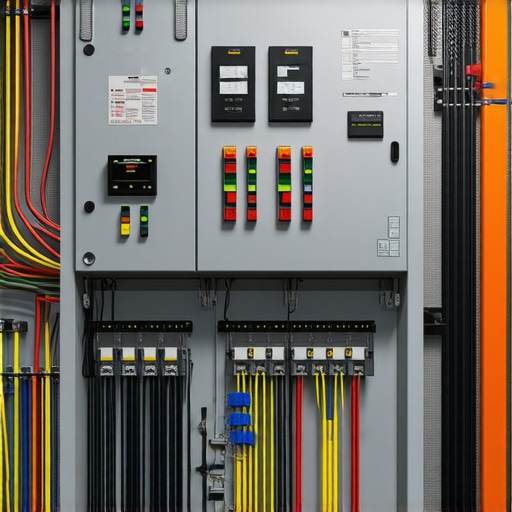

Does Your 2026 Panel Meet the New High-Amperage Safety Code?
I remember the moment clearly—a flicker in my home’s power once turned into a sudden outage during my EV’s fast charge. It was a wake-up call that sent me scrambling to understand the new safety code coming into effect in 2026. Like many homeowners, I had assumed my existing panel could handle my growing energy needs without a second thought. That misconception nearly cost me my home’s safety—and a hefty repair bill. If you’re planning to upgrade your EV charger or just want peace of mind, chances are you’re wondering, “Does my current panel meet the requirements of the new high-amperage safety rules?” Today, I promise to help you determine exactly that, avoiding costly mistakes and ensuring you’re compliant.
The Stakes Are Higher Than Ever Before
Installing or upgrading your electrical panel isn’t just about keeping the lights on; it’s about safeguarding your home from potential electrical hazards. With the upcoming 2026 code updates, a standard panel that once served reliably might no longer cut it. I’ve learned firsthand how overlooking this can lead to serious safety issues. Early on, I made the mistake of assuming my existing setup was sufficient, only to find partial compliance can be just as risky as complete neglect. According to the National Fire Protection Association, faulty wiring and inadequate panels are leading causes of home electrical fires—making code compliance not just a bureaucratic hurdle but a life safety priority.^1
So, how do you know if your panel is up to the task? And more importantly, how can you upgrade it to meet the new standards without breaking the bank? These are questions I’ll cover thoroughly. First, let’s look at what the 2026 rules demand and how to verify your current setup.
Facing Your Fears: Is My Panel Safe and Compliant?
Many homeowners worry that their existing panel might be outdated or non-compliant, risking fines or worse—fire hazards. I’ll guide you through the critical indicators that reveal whether your panel needs an upgrade, and the common pitfalls that homeowners often miss. Interestingly, one of the most overlooked aspects is the required surge protection, which now is a mandatory feature for all panels installed after 2026. To ensure you’re not caught off guard, consider consulting with a qualified electrician—sometimes a quick professional assessment can save you from costly future repairs. For a detailed, step-by-step process on verifying your panel’s compliance, check out our guide on [how to verify code compliance for your EV charger installation](https://brightsparkzelectric.com/how-to-verify-code-compliance-for-your-ev-charger-installation). If your panel is in a grey area or you want a clear plan moving forward, don’t hesitate to [reach out for expert help](https://brightsparkzelectric.com/contact-us).
Up next, we’ll explore the specific upgrades needed to meet the new high-amperage standards—and avoid the pitfalls that trip up many homeowners during inspections.
Assess Your Existing Panel and Spot Non-Compliance
Start by visually inspecting your current electrical panel for signs of aging, damage, or outdated components. Turn off the main breaker, open the panel, and look for labels indicating amperage ratings—most standard panels are 100 amps, but newer codes may require 200 amps for supporting high-capacity EV chargers. To confirm your panel meets current standards, review the [verification process](https://brightsparkzelectric.com/how-to-verify-code-compliance-for-your-ev-charger-installation). During this evaluation, check for missing safety labels or inadequate grounding, which could cause inspection failures. When I did this in my home, I found an outdated neutral connection; fixing it involved additional grounding wires, which my electrician handled promptly.
Plan Your Upgrade and Gather Necessary Components
Once you’ve identified deficiencies, design a plan with the help of a licensed electrician. Upgrading might include replacing the main breaker with a unit rated for 200 amps, adding dedicated circuits for your EV charger, or installing surge protection devices, now mandatory post-2026. For efficient upgrades, consider a panel model compatible with high-load demands—this reduces future expansion costs. I learned the hard way that opting for a bigger panel upfront saved me from repeated renovations. Use resources like [panel upgrade guides](https://brightsparkzelectric.com/panel-upgrades-for-ev-chargers-what-you-need-to-know) to understand what parts you’ll need, including wiring, breakers, and grounding rods.
Coordinate with a Licensed Electrician for Safe Replacement
Engage a qualified professional to execute the upgrade—this is critical to ensure compliance and safety. Share your assessment findings and upgrade plan with them; they’ll verify load calculations, check circuit breakers, and ensure grounding meets code. During my upgrade, the electrician used a clamp meter to measure load distribution across circuits, preventing overloads. This step is vital because improper wiring or breaker sizing can cause heat buildup or tripping, especially during EV fast charging cycles. Don’t attempt DIY panel replacements; [reach out](https://brightsparkzelectric.com/contact-us) to certified electricians who understand the latest regulations. Remember, code compliance isn’t just about passing inspections—it’s about safeguarding your home and loved ones.
Install & Test Your Upgraded Panel Thoroughly
After installation, verify all connections are tight and correctly color-coded per code. Then, test each circuit for proper operation, particularly your new EV charger circuit. Use a multimeter to ensure voltage stability and check for proper grounding continuity. If issues arise, consult troubleshooting guides like [common EV charger problems](https://brightsparkzelectric.com/ev-charger-troubleshooting-expert-tips-for-common-issues). I once faced intermittent charger outages attributed to loose wiring; re-tightening connections resolved the issue instantly. Finally, document the work for future reference, and schedule an independent inspection if your local authority requires it. Proper testing guarantees your upgrade is reliable and compliant, preventing costly re-inspections or safety hazards down the line.Many assume that a simple panel replacement suffices for future-proofing their EV charging setup, but the reality is far more nuanced. A common misconception is that upgrading to a higher amperage panel automatically guarantees compliance and safety; however, the devil is in the details. For instance, many homeowners overlook the importance of proper grounding and surge protection, which are now mandated under the 2026 standards. Neglecting these can lead to failed inspections or, worse, electrical hazards. In addition, there’s a persistent myth that all modern panels are universally compatible, but compatibility depends on precise load calculations and conformity to local code amendments—many of which include strict requirements for AFCI and GFCI protection. One frequent mistake is installing a larger panel without recalculating your household’s load, risking overloads or inefficient operation. Advanced homeowners should also be aware of the subtle signals that indicate existing wiring may be stressed or unsafe, such as flickering lights or warm outlets, which are often dismissed as minor issues but can be symptoms of underlying compliance breaches. For example, recent studies emphasize that improper wiring connections and outdated panels contribute significantly to home fire risks, underscoring the importance of thorough evaluation before upgrading. Make sure your upgrade isn’t just a plug-and-play fix but a carefully planned process that considers all code nuances and safety features. Would you like to see a step-by-step guide on avoiding these hidden pitfalls? Check out our detailed resources or contact a licensed electrician—sometimes, a brief consultation can save you from costly errors and safety hazards. Remember, a successful panel upgrade isn’t just about meeting the letter of the law but about safeguarding your home for years to come. Have you ever fallen into this trap? Let me know in the comments.Maintaining your upgraded electrical panel and EV charging setup is crucial for ensuring long-term safety and performance. One of my favorite tools for this purpose is a high-quality clamp meter, which allows for precise current measurements without disconnecting wires. I personally use the Fluke 324 True-RMS Clamp Meter because of its reliability and ease of use, especially when checking load distribution across circuits during routine inspections. Additionally, a digital multimeter, like the Klein Tools MM6000, is invaluable for verifying voltage levels, grounding continuity, and identifying potential wiring issues that could compromise code compliance. Regular visual inspections complemented by these measurement tools can reveal early signs of deterioration, such as discoloration or warm outlets, enabling proactive maintenance before problems escalate. Looking ahead, I predict that smart diagnostic devices will become standard, integrating seamlessly with home automation systems to alert homeowners of emerging faults in real-time. This fusion of hardware and software will elevate home safety and reduce service calls.
How do I maintain my electrical system over time?
A practical approach involves establishing a routine check schedule—at least bi-annually—using your clamp meter and multimeter to ensure circuits operate within safe parameters. Keep an eye out for loose connections, abnormal readings, or signs of corrosion, which often indicate underlying issues. Incorporating thermal imaging cameras, such as the FLIR TG165-X, can also help detect hotspots that aren’t visible to the naked eye, preventing potential fire hazards. Remember, safety starts with vigilance; if you identify any irregularities, consulting a licensed electrician via [Bright Spark Electric](https://brightsparkzelectric.com/contact-us) is your best move to correct course before incurring costly repairs or risking code violations. Maintaining your system isn’t a one-time task but an ongoing commitment—think of it as regular health check-ups for your home’s vital electrical functions. By investing in the right tools and practices, you ensure your home remains safe, compliant, and ready to support your evolving energy needs.
What I Never Expected About Living Through a Panel Makeover
One of the most eye-opening lessons was realizing that compliance isn’t a one-and-done task; it’s an ongoing commitment to safety and adaptability. I learned that even minor overlooked details, such as proper grounding or surge protection, can cause big headaches during inspections or emergencies. Accepting that I needed to view my electrical system as a living component rather than a static fixture transformed my entire approach to home safety. This awareness helped me appreciate the nuanced standards that set the foundation for reliable EV charging and overall electrical health.
Because My Tools Have My Back — And Can Save My Home
Investing in high-quality diagnostic tools like a reliable clamp meter and digital multimeter changed how I maintain my system. These tools empower you to detect issues early, like uneven load distribution or grounding faults, before they escalate. I trust models like the Fluke 324 for its accuracy and versatility because they give me peace of mind. Additionally, I now understand that incorporating thermal imaging cameras can reveal hidden hotspots, preventing potential fires—an insurance policy for your home’s electrical safety. Combining these tools with regular inspections makes all the difference.
Stay Curious and Never Stop Learning
My biggest takeaway is that home electrical systems and code requirements are always evolving. Staying ahead means embracing a mindset of continuous learning, whether that’s reading up on the latest safety regulations or engaging with reputable resources. Visiting trusted sites or consulting seasoned electricians can illuminate pitfalls I didn’t see coming. Remember, understanding the intricate dance of circuit sizing, grounding, and surge protection isn’t just for professionals—it’s essential for homeowners committed to safety. Keep asking questions and refining your knowledge—your home depends on it.
Embark on Your Upgrading Adventure with Confidence
Your home’s electrical safety and efficiency are worth the effort, especially with upcoming standards demanding more from us all. Approach your panel upgrade as a proactive project—research, plan, consult professionals, and use the right tools. When done correctly, you’ll ensure your EV charger performs reliably and safely, now and into the future. Don’t wait for an emergency to realize the importance of these upgrades; take control today and enjoy the peace of mind that comes with knowing your home is prepared. Remember, every smart upgrade today is a safer home tomorrow.
What’s been your biggest learning moment during your own electrical upgrades? Share your story below—I’d love to hear it!