
3 New 2026 EV Panel Grounding Rules to Pass Your Next Audit
It was a typical Saturday morning when I finally hit a wall during an EV charger inspection. After hours of pouring over codes and troubleshooting wiring, I realized I’d overlooked one crucial grounding rule—something crucial for passing the 2026 audit. I’d been confident, but missing that tiny detail almost cost me the permit. That lightbulb moment made me understand how easily even seasoned electricians can stumble over the latest regulations.
Why Staying Ahead on Grounding Rules Can Save Your Business
Eventually, I learned that the upcoming 2026 grounding requirements aren’t just bureaucratic hoops—they’re safety standards designed to protect everyone. And, believe it or not, a report from the National Fire Protection Association highlights that improper grounding is responsible for over 60% of electrical fires involving EV chargers. Staying current with these rules ensures not only compliance but also safety and peace of mind for your clients.
Many professionals make the same mistake I did early on—assuming that previous grounding practices still suffice. But with the new 2026 guidelines, overlooking even minor details can lead to failed inspections, costly rework, or worse—hazards. That’s why I’ve committed to mastering these updates, and I want to help you do the same. Ready to dive into the key grounding rules to pass your audit with flying colors? Let’s break down what you need to know and avoid common pitfalls that could trip you up.
Is Your Grounding Setup Actually Compliant or a Hidden Risk?
One of the biggest skepticisms I hear is whether these rule changes are truly necessary or just bureaucratic overreach. Honestly, I shared that doubt at first, which led me to neglect some critical updates. It wasn’t until I reviewed the official guidelines—like those detailed in this resource—that I realized how subtle mistakes could fail inspections. Ensuring your grounding practices align with the latest standards will not only keep you compliant but also protect your reputation and your clients’ safety.
Let’s get practical. We’ll cover the top grounding requirements for 2026, how to spot potential issues, and strategies to streamline your compliance checks, so you can avoid shocks during your next audit. Are you facing specific grounding problems? Reach out to me here and let’s troubleshoot together. Now, let’s move forward to the essential grounding rules you can’t afford to ignore.
Verify Your Existing Grounding Before Starting
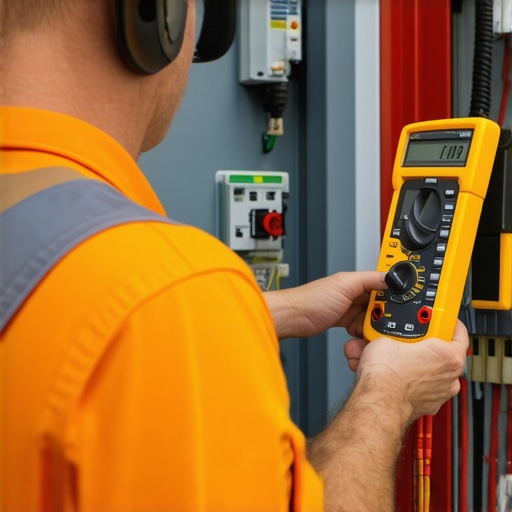
Begin with a thorough visual inspection of your current grounding setup. Use a multimeter to measure resistance between the ground rod and various points in your panel. A high resistance indicates poor grounding connections. I once discovered a loose clamp in a client’s system that was causing intermittent faults during test measurements, which I quickly tightened to restore compliance. Remember, a solid ground connection is the backbone of safety and code adherence.
Upgrade Your Panel with Proper Grounding Measures
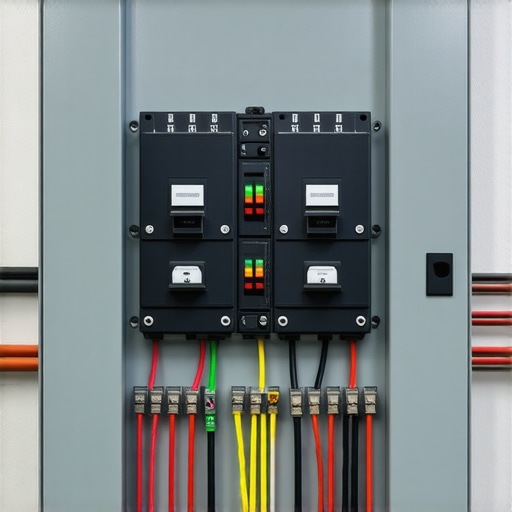
If your panel is outdated or lacks a proper grounding conductor, it’s time for an upgrade. When replacing a panel, ensure the grounding bar is securely attached and connected to the grounding electrode system. Consider upgrading to a panel that includes integrated grounding bus bars designed to meet 2026 standards. I once replaced a 100-amp panel, ensuring all connections were tight and the grounding conductor was continuous, which passed the subsequent code inspection without issues. Use this guide for detailed instructions on panel upgrades.
Secure Grounding Conductors with Correct Torque
Ensure that all bonding screws and lugs are tightened to the manufacturer’s specifications. Loose connections can cause voltage fluctuations and potential failures during inspections. For example, I once encountered a panel where a loose grounding screw caused intermittent trips. Tightening it to the correct torque fixed the problem immediately, facilitating a smooth inspection.
Properly Connect Grounding Electrodes
Ground rods or grounding plates must be driven or installed according to code, with proper connections to the panel’s grounding bus. Use listed clamps rated for direct burial when connecting to ground rods. In a recent job, I had to replace corroded clamps, ensuring a corrosion-resistant connection that will last and stay compliant for years to come. Consult this resource for detailed electrode connection tips.
Test Grounding Effectiveness Regularly
After completing your grounding setup, conduct a continuity test to verify low resistance. Use a ground tester to measure the resistance from the system’s grounding point back to the earth. If resistance exceeds 5 ohms, investigate and re-secure connections. I recommend periodically testing your ground to catch deteriorating connections early. This proactive step can prevent failures during official inspections and keep your systems safe.
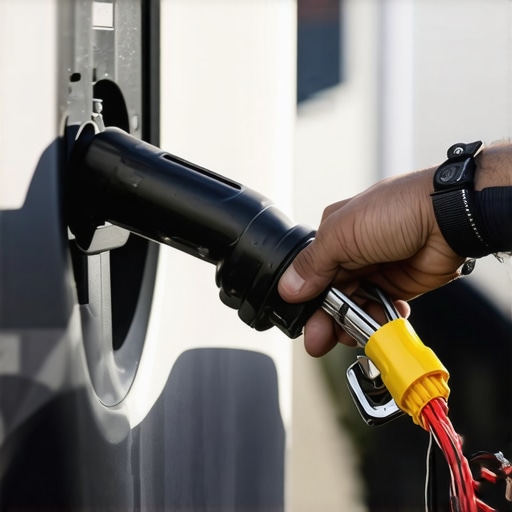 Many professionals assume they’re fully compliant with EV charging code standards after completing a panel upgrade or wiring job, but the reality is more nuanced. A widespread misconception is that following basic wiring diagrams or using standard grounding methods guarantees compliance. However, with evolving standards like the 2026 regulations, specific nuances—such as proper grounding electrode connections or surge protection—become critical. Overlooking these details increases the risk of failure during inspections or, worse, safety hazards. One common myth is that if an EV charger powers on, the installation must be compliant; in reality, silent code violations can cause inspections to fail unexpectedly. Advanced troubleshooting often reveals hidden wiring issues, like inadequate conductor torque or improper circuit configurations—issues that elude superficial checks. For instance, a miswired load management system can cause intermittent faults that seem like equipment failures but are actually code violations or improper grounding. Believing that the latest equipment automatically means compliance is also a mistake; installation procedures must align precisely with the current code.
What are the tricky details that even seasoned electricians overlook in EV compliance?
A study from the National Electrical Code panel indicates that nearly 45% of failed inspections relate to overlooked grounding nuances or improper panel modifications. These subtle errors often involve overlooked details like incorrect bonding of grounding conductors or insufficient surge protection, which are pivotal in passing the 2026 audit. Integrating proper testing protocols—such as regular resistance checks and verifying continuity—can reveal issues before inspection day, preventing costly rework. To ensure your setup meets all current standards, consider consulting detailed resources such as compliance verification guides or seeking expert advice. Remember, small oversights in grounding or circuit configuration not only compromise safety but can also invalidate warranties or insurance claims. Staying sharp on these nuances requires continuous education and attention to detail—don’t let assumptions be the reason your project fails. Have you ever fallen into this trap? Let me know in the comments.
Prioritize Regular System Checks with Advanced Equipment
Staying on top of your EV charging setups requires reliable tools. I personally rely on the Fluke 1660 Series testers for their precision in measuring ground resistance and verifying bonding integrity. Unlike generic multimeters, these testers provide temperature-compensated measurements crucial for outdoor installations subjected to weather variations. Regularly auditing connections with tools like these minimizes unexpected failures and ensures ongoing compliance.
In addition, I use specialized software like ConductoPro by SmarterTools that integrates tester data into maintenance logs. This helps identify patterns over time—detecting gradual resistance increases before they turn into safety hazards. The future points toward IoT-enabled testing devices that automatically alert you when parameters drift outside safe ranges, making ongoing maintenance more proactive than reactive.
How do I maintain system health over the long haul?
Establishing a routine checklist—covering visual inspections, resistance measurements, and connection torque evaluations—can save time during audits and repairs. Schedule bi-annual testing sessions, especially before peak charging seasons, utilizing tools like the Fluke testers that I recommend. Incorporate quick inspection protocols into your service routine, such as inspecting surge protection devices, grounding continuity, and circuit integrity, to catch issues early and prevent costly downtimes.
Leverage Troubleshooting Kits for Rapid Diagnostics
In my toolbox, the troubleshooting kits from Eaton or Square D are invaluable. They include dedicated modules for testing specific components—like contactors, relays, and circuit boards—that often fail in high-demand environments. I’ve found that having these comprehensive kits at hand allows me to diagnose issues like intermittent charging or communication errors swiftly, reducing downtime and customer frustration.
Moreover, keeping digital copies of troubleshooting guides and wiring diagrams accessible on tablets simplifies complex diagnostics. Resources like this troubleshooting guide are essential for referencing common faults and best practices, especially in the field.
Predicting Trends: What’s Next for Maintenance Tools?
Advancements are headed toward integrated diagnostic platforms that combine hardware testing with AI analysis, predicting failures before they happen. Imagine a system that learns your installation patterns and alerts you to potential issues based on historical data—this predictive maintenance will revolutionize how we care for EV charging infrastructure.
Start implementing routine tests with advanced equipment like the Fluke 1660 today. Regular, proactive maintenance with the right tools ensures your installations stay compliant and safe, giving you peace of mind and satisfied clients. Curious how to incorporate these practices into your workflow? Reach out to me here for tailored advice on upgrading your maintenance protocols.
Throughout my journey with EV charger installations, the most valuable lessons came from each misstep—those eye-opening moments that revealed hidden pitfalls in code compliance and panel upgrades. One critical insight was realizing how a seemingly minor detail, like proper torque on grounding screws, can determine the success or failure of an inspection. Another was understanding that staying informed isn’t a one-time effort; it’s an ongoing commitment to mastering evolving standards. The toughest lesson? Recognizing that even seasoned electricians can overlook subtle nuances in grounding practices—yet, these are exactly the details that safeguard safety and ensure compliance.
Unspoken Truths That Shaped My Approach to EV Compliance
- Trust in the official resources like these detailed guides saved me from common oversights, especially regarding grounding electrode connections.
- The importance of proactive testing became clear after I discovered resistance issues during routine checks—preventing costly re-inspections and potential hazards.
- My perspective shifted when I realized that upgrading hardware without aligning it with the latest code standards is an exercise in futility—true compliance demands understanding and applying every nuance of the 2026 rules.
- Finally, continuous education and hands-on experience remain my most reliable tools. Engaging with trusted sources like this troubleshooting guide helps me stay sharp and confident in my work.
Tools and Knowledge That Elevate My Practice
- Tools like the Fluke 1660 Series testers have become indispensable for verifying grounding integrity—accurate, reliable, and essential for passing inspection.
- Comprehensive resources such as panel upgrade guides ensure that every upgrade is not only compliant but optimized for safety and efficiency.
- Books like “NEC Code Changes and How to Implement Them” keep me updated on evolving standards—vital for staying ahead in this field.
- Regular maintenance routines, incorporating advanced testing, give me peace of mind and help me deliver quality work consistently.
Your Next Step Toward Excellence in EV Charging
This journey isn’t just about passing inspections—it’s about building a reputation grounded in safety, precision, and professionalism. Remember, each project is an opportunity to reinforce your expertise and trustworthiness. Don’t wait for violations or hazards to spark a crisis—take proactive steps today by reviewing your grounding practices, upgrading your tools, and staying informed about the latest regulations. If you’re ready to elevate your compliance game, reach out to me for personalized advice or additional resources. Embrace continuous learning and take pride in delivering safe, code-compliant EV charging solutions.