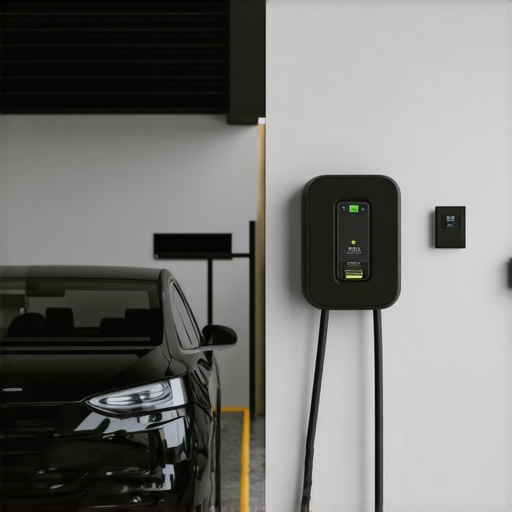

Panel Upgrades & Code Compliance for Safe EV Home Charging
Discovering the Importance of a Solid Electrical Panel When Embracing Electric Vehicles
When I first decided to switch to an electric vehicle, I knew that upgrading my home’s electrical system would be essential. I vividly remember the day I scheduled my initial consultation with a licensed electrician, feeling both excited and a little overwhelmed. Ensuring my home was ready for a reliable EV home charging station was no small task, but it turned out to be a rewarding experience that enhanced my understanding of home electrical safety.
Why I Learned That Panel Upgrades Are More Than Just a Fancy Addition
One of the key lessons I learned along the way was that a proper **panel upgrade** isn’t just about accommodating a new charger — it’s about **safety and efficiency**. An outdated electrical panel can pose serious risks, especially when supporting the high power demands of an EV charger. Upgrading my panel not only improved the charging speed but also gave me peace of mind knowing my home was compliant with local electrical codes. For detailed insights, I recommend checking out [Panel Upgrades & Code Compliance for Safe EV Home Charging](https://brightsparkzelectric.com/panel-upgrades-for-ev-chargers-what-you-need-to-know).
Ensuring Code Compliance: My Practical Approach
One thing I didn’t want to overlook was **code compliance**. I learned that each region has specific requirements, and working with a professional ensures that the installation adheres to safety standards. My electrician helped me verify that my setup met all relevant electrical codes, which you can also do by following [How to Verify Code Compliance for Your EV Charger Installation](https://brightsparkzelectric.com/how-to-verify-code-compliance-for-your-ev-charger-installation). This step was crucial in avoiding future issues and potential safety hazards.
Have You Considered How a Panel Upgrade Might Improve Your Home’s Electrical Reliability?
Reflecting on my experience, I realize that many homeowners overlook the importance of a properly upgraded electrical panel until something goes wrong. A reliable panel supports not just EV charging but also the overall electrical health of your home. If you’re contemplating a panel upgrade, I suggest exploring [Upgrading Your Panel for Better EV Charging Performance](https://brightsparkzelectric.com/upgrading-your-panel-for-better-ev-charging-performance). It’s a smart investment that pays off in safety, performance, and peace of mind.
What Are the Key Signs That My Panel Needs an Upgrade for Safe EV Charging?
If you’re wondering whether your current electrical setup is sufficient, look out for signs like frequent breaker trips, flickering lights, or an outdated panel that hasn’t been inspected recently. Consulting with a licensed electrician can help you assess your home’s readiness. Sharing your experience or asking questions in the comments can also help others make informed decisions!
For more trusted advice, I recommend visiting [Code Compliance & Panel Upgrades for Safe EV Charging](https://brightsparkzelectric.com/code-compliance-and-panel-upgrades-for-safe-ev-charger-installation), which offers comprehensive guidance on this vital topic.
Beyond Basics: How a Professional Panel Upgrade Can Transform Your EV Charging Experience
As electric vehicles become more mainstream, the demand for fast, reliable home charging intensifies. But did you know that the secret to seamless EV charging often lies in a well-executed electrical panel upgrade? Upgrading your panel isn’t just a technical necessity—it’s a strategic move to enhance safety, efficiency, and future-proof your home’s electrical system.
The Hidden Risks of Outdated Electrical Panels and How Upgrades Mitigate Them
Outdated panels can hide a host of issues—overloads, corrosion, or insufficient capacity—that threaten your home’s safety and your EV charging plans. An aging panel might trip breakers unexpectedly or worse, cause electrical fires. Expertly upgrading your panel ensures it can handle the high current loads without compromise. For specific guidance, explore [code compliance and panel upgrades](https://brightsparkzelectric.com/code-compliance-and-panel-upgrades-for-safe-ev-charger-installation) to ensure your system meets current safety standards.
Key Considerations When Planning Your Panel Upgrade for EV Charging
Choosing the right upgrade involves more than just capacity. It includes assessing your home’s future electrical needs, integrating dedicated circuits for EV chargers, and ensuring compatibility with local electrical codes. A professional electrician can help you navigate these complexities, providing a tailored solution that optimizes performance. For a detailed overview, see [upgrading your panel](https://brightsparkzelectric.com/upgrading-your-panel-for-better-ev-charging-performance).
What Are the Nuances in Ensuring Your Panel Upgrade Supports Safe and Efficient EV Charging?
Effective panel upgrades require a nuanced approach—balancing load calculations, grounding, and proper breaker selection. For example, a dedicated circuit for your EV charger minimizes risks and maximizes charging speed. Moreover, integrating surge protection and ensuring your wiring adheres to latest standards can prevent future issues. Consulting [expert troubleshooting tips](https://brightsparkzelectric.com/troubleshooting-ev-chargers-expert-tips-for-safe-reliable-power) can help you identify potential weak points before they become problems. Remember, a comprehensive upgrade not only supports current needs but also accommodates future expansions, making your home more resilient and prepared.
Thinking about the long-term benefits, a well-executed panel upgrade can significantly improve your home’s electrical reliability, reduce unexpected outages, and provide peace of mind. For homeowners eager to learn more about maintaining code compliance during upgrades, the resource [how to verify code compliance](https://brightsparkzelectric.com/how-to-verify-code-compliance-for-your-ev-charger-installation) offers valuable insights.
Share your experiences or ask questions in the comments—your insights might just help someone else navigate their own electrical upgrade journey! And if you’re curious about the latest trends or need tailored advice, don’t hesitate to [contact us](https://brightsparkzelectric.com/contact-us). Your safe, reliable EV charging future begins with the right upgrade today.
How Do Nuances in Panel Upgrades Impact Long-Term Residential Safety and Efficiency?
Reflecting on my journey with electrical upgrades, I realized that the subtle nuances—like proper grounding, breaker sizing, and load balancing—are often overlooked but critically influence the longevity and safety of your electrical system. For instance, I learned that a dedicated circuit for my EV charger not only optimized charging speed but also minimized risks of overloads and electrical fires. This insight came after reading detailed guidelines on [code compliance and panel upgrades](https://brightsparkzelectric.com/code-compliance-and-panel-upgrades-for-safe-ev-charger-installation), which highlighted how each component must work harmoniously within the system.
What Are the Complexities of Ensuring Your Panel Supports Future Electrical Demands?
One of the more sophisticated considerations I encountered was planning for future electrical needs. As EVs become more prevalent, and home automation grows, my electrician recommended a panel upgrade that accounts for potential expansion. This foresight ensures that I won’t face another costly upgrade in just a few years, aligning with advice from [upgrading your panel for better EV charging performance](https://brightsparkzelectric.com/upgrading-your-panel-for-better-ev-charging-performance). It’s about creating a resilient infrastructure capable of handling evolving demands without compromising safety or performance.
Have I Overlooked the Impact of Surge Protection and Wiring Standards in My Upgrade?
Absolutely. I discovered that integrating surge protection devices and adhering strictly to wiring standards could prevent unforeseen issues. For example, installing surge protectors protects against voltage spikes that could damage expensive EV charging equipment or other home electronics. Consulting resources like [expert troubleshooting tips](https://brightsparkzelectric.com/troubleshooting-ev-chargers-expert-tips-for-safe-reliable-power) helped me understand these complexities better. An upgrade isn’t just about capacity; it’s a comprehensive approach that includes safeguarding your entire electrical ecosystem.
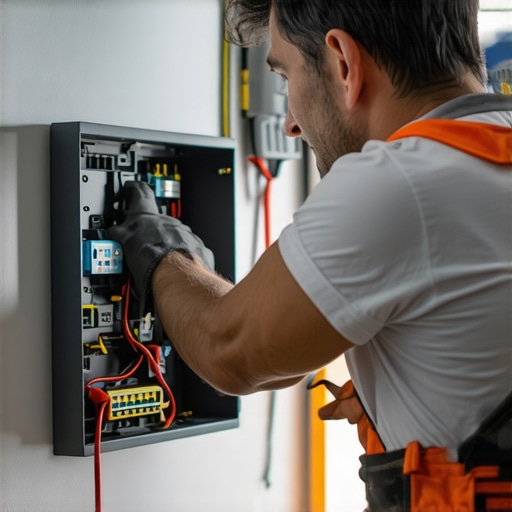
Engaging with the Community: Sharing Insights and Learning from Others’ Experiences
Throughout this process, I’ve found that engaging with fellow homeowners and professionals through comments and discussions provides invaluable insights. Hearing others’ experiences with panel upgrades, especially in regions with strict codes, has helped me refine my approach. I encourage you to share your own stories or ask questions—perhaps your experience with troubleshooting or code compliance could help someone else navigate their upgrade journey more smoothly. For further guidance, exploring [code compliance and panel upgrades](https://brightsparkzelectric.com/code-compliance-and-panel-upgrades-for-safe-ev-charger-installation) can provide detailed safety standards to keep in mind.
What’s Next? Embracing Long-Term Safety and Reliability in Home Electrical Systems
Looking ahead, I see my electrical system as an evolving framework—one that must adapt to technological advancements and increased demands. A well-planned, professionally executed panel upgrade is foundational to this vision. It’s about more than just meeting current needs; it’s about future-proofing my home’s electrical health. If you’re contemplating an upgrade, I recommend exploring [panel upgrade and code compliance tips](https://brightsparkzelectric.com/panel-upgrade-tips-for-code-compliance-reliable-ev-charging-2024) to ensure your project aligns with best practices and safety standards. Remember, investing in your electrical infrastructure today safeguards your home and peace of mind for years to come.
Delving Into the Nuances of Electrical Panel Configuration for High-Performance EV Charging
When I embarked on my journey to enhance my home’s electrical infrastructure for reliable EV charging, I quickly realized that the intricacies of panel configuration could make or break the system’s safety and performance. A deep understanding of load calculations, breaker selection, and grounding practices became essential. For example, ensuring a dedicated circuit for my EV charger not only improved charging speed but also minimized risks of overloads, which are often overlooked by homeowners unfamiliar with electrical standards. This meticulous approach aligns with the guidelines outlined by the National Electrical Code (NEC), emphasizing that proper panel configuration is vital for long-term safety and efficiency.
How Do Advanced Load Management Strategies Impact Future-Proofing Your Home’s Electrical System?
Implementing sophisticated load management strategies—such as dynamic circuit load balancing and integrating smart panels—can significantly future-proof your home. These solutions allow for seamless scaling as EV technology evolves and as additional electrical loads, like home automation systems, are added. For instance, smart panels equipped with real-time monitoring can automatically adjust loads to prevent overloads, extending the lifespan of your system and enhancing safety. To explore these innovations, I recommend reviewing detailed resources like upgrading your panel for better EV charging performance, which provides insights into integrating future-ready solutions.
What Are the Critical Considerations for Surge Protection and Wiring Standards in Advanced Upgrades?
In my experience, integrating surge protectors and adhering strictly to wiring standards are non-negotiable components of an advanced panel upgrade. Voltage spikes from lightning or grid fluctuations can damage sensitive EV chargers and other electronics, making surge protection a wise investment. Furthermore, wiring must meet or exceed current standards, ensuring proper conductor sizing, insulation, and grounding. Consulting authoritative sources like code compliance and panel upgrades ensures that every aspect of the upgrade aligns with safety regulations and best practices. It’s this comprehensive approach that transforms a simple upgrade into a resilient electrical system capable of handling the demands of modern technology.
Engage with the Community to Share Insights and Overcome Challenges
Throughout my upgrade process, engaging with fellow homeowners and industry professionals has been invaluable. Sharing experiences about troubleshooting complex issues or navigating code requirements often leads to innovative solutions and reassurance. I encourage you to participate actively in community discussions or consult with licensed electricians to gain nuanced perspectives. Your insights might help others avoid common pitfalls and elevate their electrical safety standards. For further expert guidance, explore troubleshooting EV chargers and other resources that demystify complex electrical challenges. Remember, mastering these advanced upgrade strategies not only ensures immediate safety but also fortifies your home for future technological advancements.
Things I Wish I Knew Earlier (or You Might Find Surprising)
The Subtle Art of Load Balancing
One thing I overlooked initially was how crucial proper load balancing is. I used to think that simply upgrading my panel was enough, but I learned that distributing electrical loads evenly prevents overloads and prolongs system life. It’s like giving each appliance its own lane on the highway—smooth and safe.
The Power of Future-Proofing
Planning for future electrical demands was a revelation. I realized that a panel upgrade isn’t just for today’s needs but a strategic move for years to come. Incorporating extra capacity and smart technologies can save a lot of headaches down the road, making my home adaptable to evolving tech.
The Importance of Professional Guidance
Initially, I thought I could handle the upgrade myself, but I soon discovered that expert advice is invaluable. A licensed electrician can navigate complex code requirements and ensure the system’s safety. Trust me, this is one upgrade where cutting corners isn’t worth it.
Surge Protection is a Game Changer
Installing surge protectors during the upgrade was a game changer. It shields my EV charger and other electronics from voltage spikes, preserving their lifespan and ensuring consistent performance. It’s a small investment with big peace of mind.
Wiring Standards Matter More Than You Think
Paying attention to wiring standards and insulation made a noticeable difference. Proper wiring not only ensures safety but also enhances charging efficiency. Overlooking this detail can lead to costly problems later, so I highly recommend following the latest standards diligently.
Resources I’ve Come to Trust Over Time
- National Electrical Code (NEC): The backbone of electrical safety standards; a must-read for anyone considering panel upgrades.
- Electrical Safety Foundation International (ESFI): Offers comprehensive guides and safety tips that helped me understand the importance of proper upgrades.
- BrightSpark Electric Blog: Their detailed articles on EV charger installation and code compliance provided practical insights I couldn’t find elsewhere.
Parting Thoughts from My Perspective
Looking back, I realize that a well-executed electrical panel upgrade is a cornerstone of safe and efficient EV charging at home. It’s not just about supporting your vehicle but safeguarding your entire electrical system for the future. If you’re contemplating such an upgrade, my advice is to prioritize professional guidance, consider future needs, and never underestimate the importance of safety standards. This investment not only boosts your home’s performance but also brings peace of mind knowing your electrical system is resilient and ready for tomorrow’s technology. If this resonated with you, I’d love to hear your thoughts. Feel free to share your experiences or ask questions in the comments, and don’t forget to explore the resources I mentioned for more detailed guidance.
Reading about the nuances of panel upgrades really resonated with me, especially the importance of load balancing and grounding. When I upgraded my system last year, I underestimated how crucial proper breaker sizing was in ensuring safety while supporting my EV charger. I ended up having to call in a licensed electrician to re-assess and correct some wiring issues that were overlooked initially. This experience taught me that a DIY approach can easily overlook critical safety details. For anyone considering a panel upgrade, I think it’s beneficial to not only evaluate current needs but also plan for future expansion—like adding more smart home devices or additional EVs. Have others here already upgraded their panels with future-proofing in mind? What strategies have worked well for you in balancing loads and safeguarding your system against surges?
I really appreciate how this post emphasizes the importance of a thoughtful panel upgrade. My experience also highlights that beyond just capacity, the quality of wiring and grounding techniques can make a huge difference in long-term safety and performance. I recently had my panel upgraded to support my EV charger, and I made sure the electrician included surge protection and proper load balancing for future expansions. One thing I learned is that quick fixes or skipping step details can lead to costly issues down the road, especially if you plan to add more high-demand appliances or additional chargers. Has anyone here experimented with smart panels or load management systems to optimize electrical use and prepare for future demands? I’d love to hear what solutions others have found effective for staying ahead of evolving home energy needs and maintaining safety.
Reading through this post really made me think about the importance of not just upgrading the panel for current needs but also considering future expansion. I recently had my electrical system inspected because I was concerned about supporting a future EV charger and potential smart home upgrades. It’s fascinating how much careful planning goes into load balancing, grounding, and selecting the right breaker sizes. I found that working with a knowledgeable electrician who can advise on smart panels and surge protection made a big difference in ensuring safety and efficiency. A question that comes to mind is, how do other homeowners approach planning for additional loads like multiple EVs or integrated home automation? Have any of you incorporated smart load management systems in your upgrades? Sharing those experiences could be really helpful for others trying to future-proof their homes too.
This post really hits home about the importance of a well-planned electrical panel upgrade, especially now with the rising adoption of EVs. I recently helped a friend evaluate his home’s electrical capacity and was surprised to find that his outdated panel was causing frequent trips when charging his EV. It made me realize how many homeowners might overlook these issues until something serious happens. One thing I’ve noticed is that integrating smart load management systems can make a huge difference in future-proofing the home and optimizing energy use, especially when multiple EVs or high-demand appliances are involved. Have others had experience installing smart panels or load management solutions? I’d love to learn what technologies or strategies have worked best for you in achieving a safe and efficient charging setup while planning for future needs.