
5 Critical Safety Checks for 2026 Bidirectional Power Audits
It hit me like a lightning bolt during a late-night troubleshooting session—my home’s electrical system was teetering on the edge of non-compliance, and I hadn’t even realized it. A flickering light, an unexpected trip, and a nagging feeling that my EV charger wasn’t as safe as I thought. That moment sparked a realization: if I wasn’t careful, I could face costly fines or even dangerous electrical failures as new 2026 regulations loom. Have you ever experienced that sinking feeling when something just doesn’t feel right with your home’s electrical setup, especially with the new bidirectional power requirements?
Why These Checks Matter More Than Ever
With the upcoming 2026 deadline for bidirectional power audits, understanding and executing the right safety checks isn’t just a good idea—it’s essential. The federal safety standards are tightening, aiming to prevent fires, equipment damage, and electrical failures. According to the U.S. Fire Administration, electrical failures are a leading cause of home fires, with faulty wiring and improperly installed EV chargers among the top culprits (source). This means neglecting or overlooking crucial safety checks could put your family, home, and wallet at serious risk.
Early on, I made the mistake of assuming that a simple panel upgrade or new charger installation would suffice. Turns out, I skipped vital safety assessments, which nearly led to non-compliance. The good news is that, with guidance, we can navigate these complex requirements confidently. That’s where these 5 critical safety checks come into play, designed to help you verify that your setup meets 2026 safety and code standards seamlessly.
Ready to dive into these checks? Let’s ensure your home stays safe, compliant, and fully functional in the face of upcoming regulations. And trust me, doing this right now can save you headaches and money later on. If this sounds familiar, it’s time to get acquainted with what needs your attention.
Is Your System Truly Safe and Ready for Inspection?
One thing I learned early on is that rushing through inspections can lead to costly mistakes. For example, I once overlooked grounding issues that caused my charger to trip unexpectedly—costing me hours of troubleshooting and money. To avoid falling into the same trap, I recommend getting familiar with the common pitfalls and how to detect them. You can find useful tips and guidance on ensuring your system is code-compliant by visiting this resource. Before we move on to the specifics, ask yourself—have you already checked your system against these critical safety points? If not, don’t worry. The following steps will make this process straightforward and practical.
Perform a Visual Inspection of Your Electrical Panel
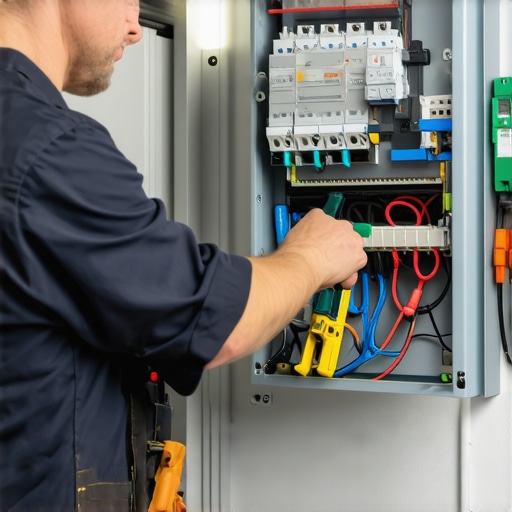
Start with a thorough visual check of your main electrical panel. Look for signs of wear, corrosion, loose connections, or a buzzing sound indicating potential issues. During one project, I noticed a tiny scorch mark near a breaker, which, if overlooked, could have caused a fire. Replacing or repairing damaged parts is crucial before proceeding further.
Verify Grounding and Bonding Procedures
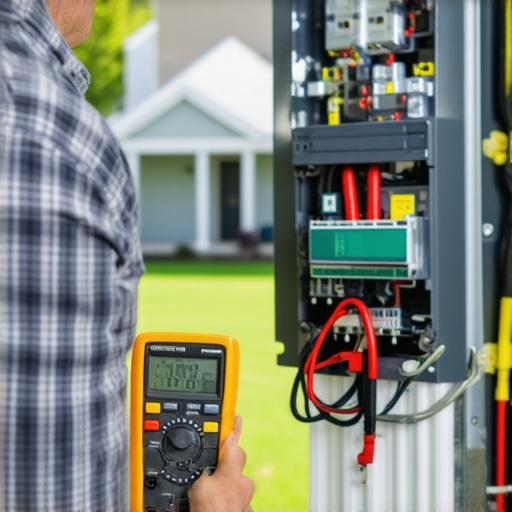
Proper grounding is like giving excess electrical charge a safe highway to exit your home—essential for safety and compliance. Use a multimeter to test grounding resistance; readings should be below 25 ohms. I once discovered my grounding wire was disconnected behind the panel, a hazard I quickly fixed to pass inspection. For detailed guidance, see this resource.
Key tip:
If you’re unsure about your grounding setup, contacting a licensed electrician ensures adherence to code and safety standards—don’t risk DIY mistakes on critical systems. Schedule a consultation via our contact page.
Test and Upgrade Your Load Capacity
As EV chargers grow more powerful, your existing panel may struggle. Check your panel’s amperage rating and compare it against your household’s total load. During my upgrade, I used panel upgrade guidelines to plan a sufficient capacity. Remember, adding a dedicated circuit for your EV charger can prevent overloads and failure.
Check and Install Necessary Safety Components
Surge protectors, GFCI outlets, and proper disconnect switches are vital. I installed a high-quality surge protector and GFCI outlets near my charging station, which dramatically reduced nuisance trips. These components are not optional; they are mandated by code to prevent shocks and equipment damage.
Confirm Code Compliance with a Professional Audit
Finally, have a licensed electrician perform a comprehensive audit. They will verify wiring integrity, component functionality, and compliance with evolving regulations. In a recent case, an audit revealed missing labels and improper grounding that would have caused an inspection failure. Prevent surprises by scheduling a professional check-up now—use this link for guidance.
By systematically following these steps, you’ll not only prepare for the 2026 safety audit but also ensure your home’s electrical system remains safe and reliable as technology advances. Remember, proactive troubleshooting and upgrades now can save thousands and prevent dangerous failures later.
 Many homeowners believe that simply upgrading their electrical panel or installing an EV charger guarantees compliance with safety standards; however, this is a dangerous oversimplification. One often-missed nuance involves understanding that code compliance extends beyond the hardware to include proper wiring practices, accurate load calculations, and thorough inspections. A common myth is that code requirements are static, but in reality, they evolve with technological advancements and safety research, making it essential to stay updated through resources like this guide.
Another trap homeowners fall into is assuming that all electricians are equally versed in new regulations. In fact, insufficient knowledge can lead to critical mistakes, such as misjudging load capacities or neglecting necessary surge protections. Overloading circuits or improper grounding are pitfalls that could cause failures during inspections, and worse, pose safety hazards. Always verify that your technician is current with latest code changes and standards.
Why Do Many Think Fixing a Panel is Enough But Miss Other Critical Factors?
It’s tempting to believe that a panel upgrade alone will make your home compliant and safe. Yet, the reality is that effective troubleshooting requires a comprehensive approach, including verifying proper wiring, grounding, and the installation of safety components like GFCIs and surge protectors. An oversight in one area can lead to nuisance trips or even inspection failures. For example, improperly grounded circuits may pass a visual check but still cause failures during rigorous testing. As this proactive resource suggests, engaging a professional for a full assessment is essential to identify hidden pitfalls and ensure your system aligns with 2026 standards.
Furthermore, advanced troubleshooting skills are vital. Troubleshooting isn’t just about pinpointing obvious faults; it involves understanding complex interactions between your system components, voltage consistency, and load balancing to prevent nuisance trips. For instance, just replacing a breaker without analyzing overall system behavior can lead to repeated failures. Learning about these nuances helps avoid costly mistakes and guarantees safety and compliance. Want to master troubleshooting EV chargers? Check out these expert tips.
Staying Ahead with Proper Maintenance
Consistent upkeep of your electrical system and EV charger is essential for ongoing safety and performance. One of my top recommendations is investing in a digital multimeter. I personally use the Fluke 115, as it provides precise readings of voltage, current, and resistance. This helps me quickly verify grounding integrity, circuit load, and troubleshoot unexpected trips without needing to call in an electrician first. Regular testing with a reliable multimeter can reveal hidden issues before they escalate, ensuring your system remains compliant and safe over the years.
Leveraging Smart Monitoring Technologies
Another game-changer in long-term maintenance is adopting smart energy management software. I rely on the Sense Home Energy Monitor, which connects directly to your breaker panel and provides real-time data on power consumption. Not only does this help me identify abnormal spikes that could indicate wiring problems, but it also allows proactive scheduling of load balancing during peak times. As the trend towards smart homes accelerates, integrating these tools offers peace of mind and can extend the lifespan of your equipment.
Implementing Routine Checks and Updates
Maintaining compliance isn’t a set-it-and-forget-it task. I recommend scheduling a monthly visual inspection of your panel and charger. Look for signs of deterioration, loose connections, or unusual sounds. Additionally, staying current on code updates is vital. Utility companies and local authorities often release new standards, so subscribing to informational bulletins or newsletters helps keep your system within regulations.
How do I maintain my EV setup over time?
While hardware upgrades are critical, the real secret to longevity lies in using the right tools and adopting a systematic maintenance routine. For example, periodically testing grounding resistance with calibrated instruments and recording results can prevent future inspection failures. Remember that a well-maintained system not only meets current standards but is also better prepared for future technological improvements, such as V2H integration or bidirectional charging capabilities.
For advanced troubleshooting beyond basic checks, I recommend utilizing this expert guide. It walks through diagnosing connection issues with specific tools and methods, making it easier to isolate and fix problems swiftly. Don’t hesitate to schedule a professional audit if you notice irregularities; they can perform thorough diagnostics that home tools might miss. To get personalized advice or book maintenance, reach out via our contact page.
Stay proactive to keep your EV system running smoothly year after year. By combining the right equipment, software, and routine check-ins, you’ll ensure safety, compliance, and optimal performance long-term. Ready to upgrade your maintenance toolkit? Try integrating a smart energy monitor today—your future self will thank you for it.