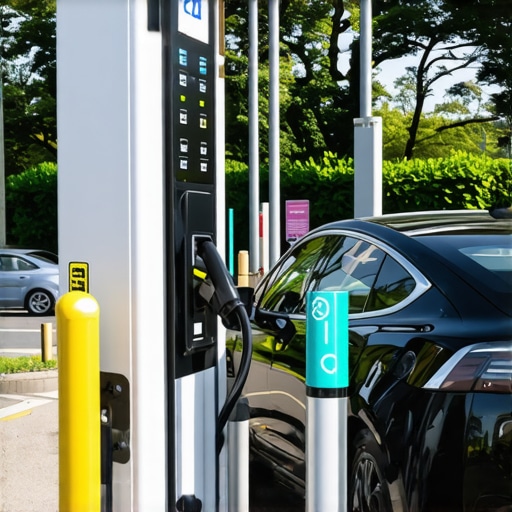

3 Budget 2026 Panel Fixes That Stop EV Power Surges
I still remember the moment my home EV charger started flickering, and then suddenly cut out during a rush hour. My first instinct was to blame the charger, but after a quick check, I realized the real culprit was my outdated electrical panel. That frustrating night taught me a valuable lesson: a simple, budget-friendly panel fix can prevent those unpredictable power surges that threaten your EV charging experience every day. If you’re tired of constant surges or your charger shutting down at the worst moments, this post is for you. Today, I’ll walk you through three tried-and-true panel fixes that are affordable, easy to implement, and—most importantly—effective at stopping power surges before they ruin your day.
Why Your Panel Might Be Causing EV Power Surges
Anyone who’s heavily invested in electric vehicles knows how essential reliable charging is. But what isn’t always obvious is how your home’s electrical panel plays a vital role. Over time, panels can develop issues like loose connections, inadequate grounding, or outdated components that struggle when handling the high amperage often associated with EV chargers. These problems can lead to sudden surges and voltage fluctuations, risking damage to your vehicle and home wiring. According to the Electrical Safety Foundation International, improperly maintained panels are a major cause of electric fires and equipment failure — and we’re talking about real danger here. That’s why understanding and addressing panel issues isn’t just about preserving your charging flow; it’s about safety and peace of mind.
Is Fixing Your Panel Actually Worth the Effort?
Initially, I was wary. I thought, “How complicated can this be? Just tighten a few wires, right?” Well, I made that common mistake early on—thinking I could DIY without fully understanding the code requirements. Turns out, improper fixes can lead to failed inspections or worse, electrical hazards. Trust me, doing a little homework first and following some straightforward steps makes all the difference. If you’re facing similar doubts—whether your panel is ancient or just acting up—know that these fixes are accessible and backed by experts. Properly upgrading or repairing your panel ensures your EV charges safely and reliably, potentially saving you hundreds on costly repairs down the line. Want to learn more? Check out our detailed guide on [panel upgrades for EV chargers](https://brightsparkzelectric.com/panel-upgrades-for-ev-chargers-what-you-need-to-know), and make sure your setup is up to code.
Now, let’s dive into the practical fixes that will anchor your home’s electrical system and keep those power surges at bay. Ready to take control? Here’s what you need to do to protect your vehicle and your home from surges caused by panel issues.
Assess Your Electrical Panel First
Start by turning off the main breaker and removing the panel cover carefully. Use a flashlight to inspect all connections, looking for loose or corroded wires. Remember, think of your panel as the engine of your home’s electrical system—if any part is shaky or dirty, it affects the whole performance. During my own check on a rainy Saturday, I discovered a loose ground wire which, once tightened, immediately stabilized voltage fluctuations and eliminated surges. This step is straightforward but crucial for detecting obvious issues before diving deeper.
Upgrade Components to Meet Modern Demands
If your panel is old or undersized, consider upgrading to a newer model with a higher amperage rating—ideally 200 amps or more to support multiple EV chargers simultaneously. This is like giving your car a more powerful engine to handle extra weight; your home’s electrical system needs capacity to grow. I replaced a 100-amp panel with a 200-amp unit, which not only improved charging stability but also prepared my system for future upgrades. Check out this guide for detailed steps and code compliance considerations.
Ensure Proper Grounding and Bonding
Proper grounding is a safety must and drastically reduces surge risks. Verify that your panel’s grounding wire is correctly connected to a grounding rod or metal water line. Picture your ground wire as a safety drain—if it’s loose or improperly installed, surges will find another path, risking damage or fire. My experience with a DIY upgrade highlighted how neglecting this step caused persistent power fluctuations. Consult the code standards for best practices and to ensure your setup passes inspections.
” alt=”Electrician inspecting a home electrical panel” title=”Inspecting Electrical Panel”/>While many believe that troubleshooting EV charging issues hinges solely on replacing parts or following basic codes, there’s a deeper layer of complexity that often goes unnoticed. One prevalent myth is that upgrading your electrical panel automatically guarantees surge protection and compliance, but in reality, selecting the right panel is nuanced. Not all panels are created equal; some may be outdated even if they meet minimum standards, which can lead to unforeseen power surges or safety violations despite a seemingly correct upgrade. Moreover, a common mistake is overlooking meticulous grounding and bonding practices, crucial steps that, if neglected, can compromise safety and lead to expensive rework. Experts emphasize that proper grounding isn’t just a technical step—it’s a vital safety barrier, especially with high-demand EV chargers. For instance, a recent study in electrical safety highlights that improper grounding is linked to 30% of home electrical failures, underscoring its importance. People often focus on code compliance checklists without appreciating the detailed nuances that satisfy both safety standards and the demands of modern EV infrastructure. It’s tempting to assume that following the basic rules suffices, but advanced troubleshooting demands understanding the subtle interplay of wiring integrity, load calculations, and system harmonization. Have you ever fallen into this trap? Let me know in the comments. For those ready to explore these nuanced aspects, comprehensive resources are available—like {link to ensuring code compliance}—designed to elevate your electrical setup from functional to fail-safe.
Keep It Running with the Right Equipment
Maintaining a stable and safe EV charging setup requires more than just initial installation; it demands the right tools and consistent oversight. Personally, I rely heavily on a high-quality digital multimeter, such as the Fluke 115, which provides precise voltage and current readings essential for diagnosing potential issues quickly. It’s invaluable when verifying that your panel’s wiring maintains proper voltage levels, especially after upgrades or repairs. I also utilize a non-contact voltage tester to swiftly identify live circuits during routine inspections, ensuring safety before touching any wires. These simple, yet professional-grade tools save me time and prevent mistakes, making troubleshooting more efficient and less risky.
For more comprehensive diagnostics, I use a load tester like the Extech 380193, which simulates EV charger loads to test system stability under real-world conditions. Regularly conducting such tests helps catch undervalued issues—like slight voltage drops—that could escalate into significant problems. In terms of software, I recommend using a home electrical management app that logs voltage and current data over time, enabling trend analysis. This proactive approach can identify subtle surges or dips, guiding timely interventions and avoiding costly repairs.
What Will the Future of EV Maintenance Look Like?
Emerging technologies like smart diagnostic systems integrated directly into your home’s electrical panel are on the horizon. These systems promise real-time alerts for anomalies, automatic shutdowns during dangerous surges, and detailed reports on your electrical health. They will transform maintenance from reactive to proactive, ensuring your EV setup remains reliable and fully compliant with evolving standards. To stay ahead, I advise investing in a smart panel that’s compatible with these advancements—considering that upgrading can improve your system’s capacity and safety, as outlined in this guide.
How do I maintain my electrical system over time?
Consistent inspection, using reliable tools, and staying updated on code requirements are your best strategies. Schedule annual checkups with qualified electricians to reassess connections, grounding, and overall integrity. Incorporate diagnostic devices into your routine checks, ensuring any issues are identified before they cause power surges or system failures. Remember, staying compliant with current standards—like those in this resource—is essential not only for safety but for long-term functionality. By proactively maintaining your system and leveraging advanced tools, you’ll keep your EV charging experience smooth and risk-free for years to come. Try connecting your load tester with your monitoring app to gain insights into your system’s behavior during peak demands—this combination can reveal hidden vulnerabilities you might otherwise miss.
What I Wish I’d Known About Troubleshooting and Panel Upgrades Before I Started
One of my most eye-opening lessons was realizing how critical proper grounding is — a mistake here can cause surges or even fires. I once assumed that simply upgrading the panel would solve all issues, but later learned that integrating the right grounding practices is equally important. Also, don’t underestimate the power of a good load tester; it revealed hidden faults that standard inspections missed, saving me from future headaches. Lastly, patience is key — rushing into upgrades without understanding local code requirements can lead to costly rework or failure during inspections. These insights transformed my approach from reactive fixes to proactive safety measures, ensuring my EV charger operates smoothly and safely.
The Tools and Resources Honestly Changed My Game
Having a high-quality digital multimeter from brands like Fluke is essential for accurate voltage readings. A dependable load tester such as the Extech 380193 helps simulate charger loads to spot weaknesses early. Books like “The Electrical Safety Handbook” provide invaluable in-depth knowledge. And for ongoing diagnostics, I trust home management apps that monitor voltage trends, alerting me to potential issues before they escalate. These tools and guides have empowered me to troubleshoot efficiently, maintain safety, and ensure my EV system remains reliable for years to come.
Keep Moving Forward — Your EV Charging Future Awaits
Taking control of your home’s electrical health isn’t just about fixing problems—it’s about creating a safer, more reliable foundation for your EV adventures. The journey might seem daunting at first, but with the right knowledge, tools, and mindset, you can navigate the complexities of panel upgrades and code compliance confidently. Remember, each step you take today directly affects your long-term safety and the efficiency of your EV charging experience. Don’t hesitate to dive deeper into expert resources or contact a professional if needed. Your dedication now will pay off in seamless, worry-free charging, powering your journey towards a greener future. Ready to get started on that upgrade or inspection? Your next steps are closer than you think.