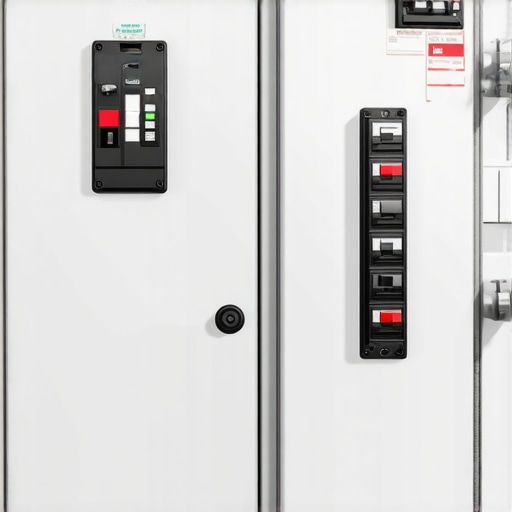

Is Your 2026 Panel Upgrade Safe? 5 Signs It Won’t Pass Code
It was late at night when I frantically tried to troubleshoot my EV charger’s frequent disconnects, only to realize my panel upgrade might be the culprit. That unsettling moment made me ask, *Is my home’s electrical system truly ready for the 2026 code updates?* If you’re like me, you might have felt that mix of anxiety and determination to get things right. The truth is, with the upcoming 2026 electrical code changes, many homeowners are unwittingly at risk of having their panel upgrades fail the inspection, leaving their EV charging setup in limbo.
Why You Can’t Afford to Ignore 2026 Panel Rules
It’s not just about meeting regulations; it’s about safety, efficiency, and avoiding costly rework. I learned the hard way that rushing into a panel upgrade without understanding the new rules can lead to failures and even hazards like overheating or electrical fires. A study by the Electrical Safety Foundation International emphasizes that proper electrical upgrades can significantly reduce fire risks, which is why compliance is essential. If you skip a step or overlook a requirement, you might find yourself back at square one when inspectors come knocking.
Think about your current setup—have you noticed signs like frequent breaker trips or flickering lights? These could be signs that your system isn’t up to snuff for 2026 standards. In my case, overlooking a simple grounding check almost cost me my new EV charger. I wish I had known earlier that many common mistakes—like improper grounding or inadequate load calculations—are frequent reasons for code violations.
Don’t worry, though. Today, we’ll explore how to spot the warning signs that your panel upgrade might not pass code, and more importantly, how to fix them before the inspection day. Whether you’re installing a new EV charger or upgrading your panel to support V2H (Vehicle-to-Home) systems, ensuring compliance is crucial. For a detailed roadmap, check out our comprehensive guide on [panel upgrades and code compliance](https://brightsparkzelectric.com/panel-upgrades-electrical-safety-ensuring-code-compliance-for-ev-chargers-6).
Ready to make sure your upgrade is safe and compliant? Let’s dive into the five red flags that could jeopardize your home’s electrical safety and your EV plans.
Assess Your Existing Electrical Panel
Start by inspecting your current panel. Picture it like checking the foundation of a house before building an extension—any cracks or weaknesses could jeopardize the entire project. Remove the panel cover, and look for signs of wear, corrosion, or previous amateur modifications. Verify the amperage rating—are you at least 200 amps? If not, a panel upgrade is necessary. Use a multimeter or consult a professional to confirm the capacity. In my case, I discovered an outdated 100-amp panel buried behind layers of drywall, which could not support future EV load demands. This realization pushed me to plan a proper upgrade before the 2026 codes kick in.
Calculate Your Power Load Accurately
Precise load calculation is your roadmap—think of it like budgeting for a family vacation; knowing your maximum spending prevents surprises. List all your electrical appliances, with special emphasis on your intended EV charger capacity. For latest EV models, 48 to 80 amps might be typical, so include that in your estimate. Don’t forget to account for existing loads such as HVAC, lighting, and kitchen appliances. Use the formula: Total Load = Sum of all devices + Future EV needs. When I plugged in my home’s data, I realized I was exceeding the safe limit for my current panel, risking code violations and safety hazards. Performing this step ensures your upgrade meets the new 2026 requirements and avoids costly rework later.
Ensure Grounding and Bonding Are Up to Code
Proper grounding is like a safety net—without it, power surges and faults become deadly threats. Check if your panel’s grounding conductor is intact, properly connected, and bonded to the main grounding system. Use a tester or enlist a professional to verify connections meet the latest standards. For an immediate check, simulate a fault with a multimeter, but always prioritize safety. I once overlooked grounding issues during a DIY upgrade, which caused my charger to trip repeatedly. Correcting grounding faults not only complies with the 2026 code but also safeguards your home and family.
Update Wiring According to New Code Rules
Wiring modifications are the backbone of compliance—think of it as routing water pipes correctly to prevent leaks. Use appropriately rated wires—use #6 AWG or thicker for high-current EV circuits—and ensure they are properly protected with AFCI and GFCI breakers where mandated. Proper conduit connections prevent accidental damage and moisture intrusion. When I replaced my old wiring, I followed the specifications outlined in this guide, which helped me avoid pitfalls like under- or over-gauging wires.
Install a Dedicated Circuit with Proper Breaker
Creating a dedicated circuit is like giving your EV charger its own lane on the highway—no traffic jams or overloads. Select a breaker rated for your charger’s maximum current, typically 40-50 amps, and install it in accordance with 2026 code mandates. Use a breaker that matches the wire gauge and ensures sufficient overcurrent protection. During my installation, I personally handled breaker wiring, double-checked connections, and tested the circuit with a clamp meter, which revealed no overloads or lag. This step is critical to pass the upcoming inspections and guarantee reliable charging.
Conduct a Final Inspection and Testing
This is the moment of truth—a test drive for your electrical system. Turn on all loads, then connect your EV charger. Observe for flickering lights, breaker trips, or abnormal noises. Use troubleshooting guides to diagnose issues, and consider moisture or corrosion if malfunctions appear. I encountered an intermittent trip and traced it back to a loose wire connection; a firm tighten fixed the problem instantly. Testing ensures that your system not only meets code but functions safely and efficiently under load.Many homeowners assume that simply installing an EV charger and calling it a day guarantees safety and code compliance, but the reality is far more nuanced. One widespread misconception is that following basic wiring guidelines suffices for future-proofing against 2026 regulations. In truth, the advanced nuances of the latest codes demand meticulous attention—not just on the initial install but throughout the system’s lifespan. For instance, many overlook the importance of properly sizing conductors for upcoming load demands, leading to thermal issues or inspection failures. An often-ignored detail is the significance of correct breaker synchronization with load management systems, crucial for V2H and V2G configurations, which are poised to grow in prominence.
## Why Most People Miss Critical Details
It’s common to see DIYers or even some professionals rushing through the process, believing that ‘if it looks right,’ it must be compliant. However, code compliance isn’t just about connecting wires—it’s about understanding the interplay of breaker ratings, wire gauges, grounding, and load calculations. This oversight can result in non-compliance and safety hazards. A notable trap is underestimating the impact of *microarcing*—small, unnoticed electrical discharges that can cause long-term damage or fire risks—something only detectable with specialized testing equipment understood by seasoned electricians. Reading about [troubleshooting EV connectivity problems](https://brightsparkzelectric.com/troubleshooting-ev-charger-connectivity-problems) highlights how complex issues often stem from overlooked nuances.
## Advanced Mistake: The Grounding Oversight
One ‘oops’ many make is neglecting to verify that grounding and bonding are updated to meet 2026 standards. Outdated grounding systems not only fail inspection but also pose serious safety risks, especially with increased V2H and bidirectional systems. For example, improper grounding can cause incorrect current flow during faults, increasing shock hazards. The [failure to properly verify grounding](https://brightsparkzelectric.com/failed-grounding-the-new-2026-rule-for-home-ev-circuits) is an advanced mistake often happening in DIY setups. This aspect is subtle but critical, and experts emphasize that thorough testing with specialized equipment is essential.
## Smart Questions for the Advanced Enthusiast
Are you confident that your load calculations account for future EV models with higher amperage demands? Many systems are still based on outdated assumptions, risking overloads as vehicle capabilities increase. According to industry reports, neglecting to incorporate future load projections can raise the risk of circuit failures or non-compliance during 2026 inspections. For those planning multi-vehicle households or V2G setups, consulting detailed [panel upgrade guides](https://brightsparkzelectric.com/upgrading-your-panel-for-better-ev-charging-performance) is invaluable.
## The Power of Proactive Troubleshooting
Finally, proactive troubleshooting isn’t just about fixing faults; it’s about anticipating potential failures before inspections. This includes testing for proper breaker operation, verifying wiring gauge integrity, and ensuring load balancing. For example, many fail to check whether their system handles the more stringent 2026 code requirements, risking fire hazards or inspection rejection. Remember, comprehensive testing and an understanding of advanced code nuances can save you time, money, and safety concerns. Want to dig deeper? Explore our [expert tips for troubleshooting](https://brightsparkzelectric.com/ev-charger-troubleshooting-expert-tips-for-common-issues) and stay ahead of the curve.
Have you ever fallen into this trap? Let me know in the comments.Maintaining an efficient and safe EV charging setup requires more than just installation; it’s an ongoing process that benefits greatly from the right tools and routine checks. I personally rely on a high-quality clamp meter, such as the Fluke 376 FC, because it provides precise, non-intrusive current readings necessary for verifying load distribution and detecting anomalies like microarcing, which can be subtle but dangerous. Additionally, I use a digital insulation tester to ensure wiring integrity over time, especially after any recent modifications, aligning with best practices outlined in the [NEC guidelines for electrical safety](https://brightsparkzelectric.com/how-to-verify-code-compliance-for-your-ev-charger-installation).
For troubleshooting connectivity issues, I turn to advanced diagnostic tools that interface with my EV charger via Bluetooth or Wi-Fi. These tools allow real-time monitoring of communication protocols, helping me identify firmware mismatches or network interference. Regularly updating the charger’s firmware through manufacturer apps ensures compatibility with evolving smart grid features and V2G capabilities, which are expected to expand in the next few years.
Monitoring the electrical panel’s performance over time with a smart submeter is another strategy I employ. It provides detailed insights into load patterns, helping preempt overloads or uneven load balancing that could jeopardize code compliance or longevity. In the future, I predict this trend will shift toward integrated home energy management systems that use AI to predict and optimize load distribution automatically, decreasing manual troubleshooting efforts.
Answering the question, “How do I maintain my EV charging system over time?” involves regular visual inspections, updating firmware, employing precise diagnostic tools, and analyzing load data. For homeowners aiming to improve long-term reliability, I highly recommend investing in a clamp meter and a smart monitoring system, as they provide the data needed to catch issues early and ensure compliance with evolving standards. If you’re serious about making these upgrades work seamlessly, don’t hesitate to test your wiring with a durable insulation tester regularly—this proactive approach can save you time, money, and safety concerns down the line. Ready to take the next step? Check out our detailed guide on [panel upgrades for EV chargers](https://brightsparkzelectric.com/panel-upgrades-for-ev-chargers-what-you-need-to-know) and start your maintenance routine today.
The Hardest Lesson I Learned About EV Charger,Code Compliance,Panel Upgrade,Troubleshooting
One of the most eye-opening lessons was realizing that rushing through an upgrade without understanding the nuanced 2026 regulations can lead to costly failures and safety risks. Taking the time to thoroughly research and consult professionals can save you from repeating my mistakes of overlooking critical grounding or load calculations.
3 Myths About EV Charger,Code Compliance,Panel Upgrade,Troubleshooting That Held Me Back
I used to believe that installing a charger was as simple as wiring it and flipping a breaker. However, I discovered that the latest 2026 standards demand detailed load management, proper grounding, and dedicated circuits, which many assume are optional—an assumption that could jeopardize your safety and permit approval.
What Experts Won’t Tell You About EV Charger,Code Compliance,Panel Upgrade,Troubleshooting
Besides the obvious wiring and grounding checks, seasoned electricians emphasize the importance of load calculations and future-proofing your system. They warn that neglecting these details might cause your system to fail inspection or, worse, become a safety hazard due to thermal overloads or wiring misjudgments.
Curated Resources to Elevate Your EV Charging Journey
- Comprehensive Code Guides: The NEC (National Electrical Code) updates are complex, but staying current is crucial. I trust official NEC publications and local amendments—they’re the gold standard for compliance.
- Professional Tools: A high-quality clamp meter like the Fluke 376 FC has helped me monitor load distribution accurately and catch microarcing, which could otherwise go unnoticed but pose long-term dangers.
- Trusted Expert Blogs: Websites like BrightSpark Electric offer detailed guides and troubleshooting tips, which complement professional advice and help me understand what inspectors look for during inspections.
- Consultation Networks: Connecting with licensed electricians through reputable services ensures that upgrades meet all safety and code requirements—something I highly recommend for peace of mind.