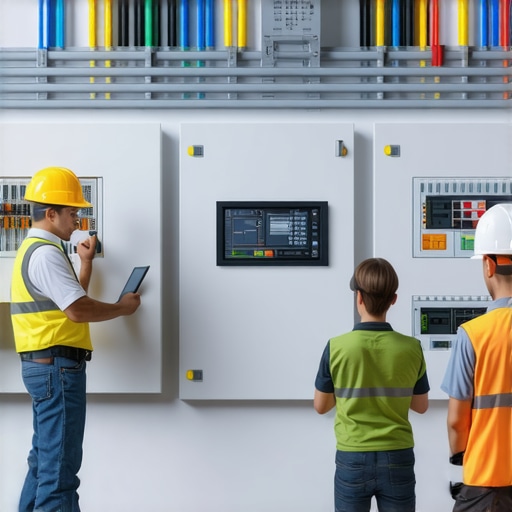

5 Hidden Panel Upgrade Costs Required by 2026 Safety Codes
I remember the moment clearly—the flicker of my garage lights during a busy evening, followed by that sinking feeling in my stomach. It hit me then: my outdated electrical panel might not just be a nuisance but a ticking time bomb for my electric vehicle (EV) charging plans. That realization sparked a cascade of questions—what was I missing? How much would it really cost to get my home ready for the future?
If you’re like me, you might feel overwhelmed by the idea of upgrading your electrical panel, especially with the looming 2026 safety codes. The truth is, I learned the hard way that several hidden costs can sneak in if you’re not prepared. Today, I want to share what I discovered and help you avoid the same pitfalls. You’ll find out what those extra expenses are and how to navigate them smartly.
Why These Hidden Costs Are More Than Just Extra Expenses
In our push toward a greener, more efficient home, EV charging is almost a necessity. But upgrading your panel isn’t just about plugging in a new charger. The upcoming 2026 safety codes, aimed at protecting homeowners and ensuring reliable power, introduce several mandatory modifications that can catch you off guard. For example, installing surge protection, ensuring proper grounding, or adding dedicated circuits might seem straightforward but can quickly add to your bill.
A mistake I made early on was underestimating the importance of these code requirements. I thought, “A simple upgrade will do,” but I overlooked the complexity of the regulations. That oversight almost delayed my EV installation and increased my costs when I had to redo parts of the work to meet compliance. According to a recent report, non-compliant installations can lead to fines or worse—hazards that threaten safety and insurance coverage.
To keep your project on track, it’s essential to understand the specific costs that are often hidden behind the scenes. For instance, some costs include permits, inspection fees, or additional materials needed for code compliance. Having a clear picture helps you avoid surprises and ensures your home’s electrical system is safe and future-proof.
Are you currently facing unexpected expenses with your panel upgrade or nervous about meeting the 2026 code standards? You’re not alone, and there are proactive steps you can take to prepare. Next, we’ll dive into the key upgrades required by code, how to budget for them, and what simple strategies can help keep your project on budget and compliant.
Assess Your Home’s Electrical Capacity Immediately
Begin by inspecting your current panel’s amperage rating; most homes will need at least a 200-amp service to support a Level 2 EV charger. I recommend turning off power and removing the panel cover to verify the main breaker’s size. During my upgrade, I found my 100-amp panel insufficient, which led me to plan a full replacement. Consult your local code for minimum requirements and avoid underestimating your home’s current load to prevent future overloads. Remember, a panel too small will necessitate costly rewiring and permit delays if not identified early.
Calculate the Additional Load Prior to Panel Replacement
Estimate your total electrical load, including existing appliances and the new EV charger. Think of your electrical system as a water pipe; adding more devices is like increasing water demand, risking future pressure drops. Use a load calculator or consult an electrician to understand if your current wiring and panel can handle the extra demand. During my project, I used this calculation to justify a panel upgrade rather than a simple circuit extension, saving me from future electrical issues.
Engage a Certified Electrician for a Code-Compliant Upgrade
Hire a licensed professional familiar with the latest 2026 safety codes. Attempting a DIY upgrade is risky—imagine trying to fix a complex circuit blindfolded. An expert will check grounding, proper breaker sizing, and surge protection—crucial for your home’s safety and compliance. I contacted [BrightSpark Electric](https://brightsparkzelectric.com/contact-us) for a consultation and found their experienced team invaluable in navigating regulatory requirements and ensuring quality work.
Upgrade the Panel with Future-Proof Features
Include modern safety devices such as surge protectors and dedicated circuits for your EV charger. Think of these as adding security cameras and alarms for your home’s electrical system—they prevent catastrophic failures. When I upgraded, I installed surge protection and dedicated circuits for multiple EV ports, which future-Proofs my system against the 2026 regulations and helps prevent overloads. If you want to understand more about panel upgrades, visit [this guide](https://brightsparkzelectric.com/upgrading-your-panel-for-better-ev-charging-performance) for detailed insights.
Install Ground Fault and Arc Fault Circuit Interrupters
Ground-fault and arc-fault protection prevent electrical fires and shocks—think of them as smoke detectors warning you before damage occurs. The 2026 codes make these mandatory in most circuits, especially near water sources or outdoor installations. During my upgrade, incorporating these devices alerted me early to wiring issues and greatly enhanced safety. Proper installation requires professional knowledge—trust your electrician to handle this critical step.
Ensure Proper Grounding and Panel Bonding
Good grounding directs excess electricity safely into the earth, avoiding shocks or fires. Visualize grounding as water flowing down a drain—without it, water (electricity) can back up and cause damage. Verify grounding electrodes and bonding during your upgrade; this is often a overlooked cost, but crucial for compliance and safety. During my project, I had my electrician run dedicated grounding conductors following code specifications, which prevented future code violations.
Verify Compliance After Installation
Finally, have your system inspected and verified for code compliance before energizing. Think of this as a safety check before a flight; you want everything to be right. Use [this checklist](https://brightsparkzelectric.com/how-to-verify-code-compliance-for-your-ev-charger-installation) to evaluate your installation or hire a professional inspector. My inspection confirmed all safety devices were functioning correctly, preventing costly violations or rework down the line.
Many homeowners believe that upgrading their electrical panel is a straightforward task focused solely on increasing amperage capacity, but in reality, this process involves nuanced considerations that can trip up even seasoned DIYers. A common misconception is thinking that once the panel’s main breaker is rated for a higher current, the installation is complete. However, without addressing code-required safety features like surge protection, proper grounding, and dedicated circuits, your system remains vulnerable to faults and fails to meet compliance standards. I’ve seen cases where homeowners overlook the importance of these details, only to face costly rewiring or re-inspection delays later. Additionally, many assume that appliance-specific concerns, such as oversized circuit breakers or improper wiring gauge, are minor issues. In truth, these mistakes can cause equipment damage or fire hazards, especially when adding high-demand devices like EV chargers. It’s vital to understand that the 2026 safety codes tighten these rules further, making compliance more complex but also more critical for safety and insurance coverage. Are you aware of the advanced requirements for integrating EV chargers into your home electrical system? For example, installing arc fault circuit interrupters (AFCIs) and ground fault circuit interrupters (GFCIs) is no longer optional—they’re mandated in many circuit types. Failing to include these safety devices can result in penalties and increased risk of electrical fires. To navigate these complexities, consulting with a licensed electrician familiar with the latest regulations is essential. They can ensure your system incorporates all the necessary elements, like proper grounding and surge protection, while meeting code standards. This proactive approach not only protects your home and loved ones but also secures your investment against future compliance issues. For detailed guidance on future-proofing your panel upgrade and EV integration, I recommend exploring this comprehensive [panel upgrade guide](https://brightsparkzelectric.com/upgrading-your-panel-for-better-ev-charging-performance). Remember, rushing the upgrade or neglecting these nuances can lead to subtle yet dangerous faults. Have you ever fallen into this trap? Let me know in the comments. Be aware of the intricate details behind compliance to ensure your home’s safety and efficiency.
Tools I Recommend for Long-Term EV Charger Maintenance
To ensure your electric vehicle charger remains reliable and safe over time, I rely on a set of specialized tools that make troubleshooting and routine checks straightforward. My top choice is a high-quality digital multimeter, like the Fluke 117, which I use daily to verify voltage levels, check wiring integrity, and detect hidden electrical faults. Its precise readings help me confirm that circuits meet the necessary standards and identify issues before they escalate.
Next, I highly recommend investing in a clamp meter. A device such as the Klein Tools CL800 allows me to measure current without disconnecting wires, streamlining the process of diagnosing load issues or uneven power distribution. This is particularly useful when verifying whether your EV charger is drawing the expected current, ensuring your system operates efficiently and safely.
For more advanced diagnostics, I utilize a circuit tester with GFCI and AFCI testing capabilities. These testers simplify verifying ground fault and arc fault protection after installation or maintenance, confirming compliance with 2026 safety codes. Regular testing prevents potential fire hazards and ensures your safety devices function correctly.
Complementing hardware tools, I utilize software like the Zinsco Electric Load Calculator to simulate load impacts on your electrical system. Running such calculations helps anticipate long-term strain on your panel, especially when planning for future expansions or additional EV chargers. Staying proactive with these assessments guards against unexpected failures and keeps your installation compliant and efficient.
How do I Keep My System Working Smoothly Over Time?
Maintenance isn’t just about having the right tools; it’s also about establishing a routine check-up schedule. I recommend monthly inspections of your circuit breakers and surge protectors, ensuring no signs of wear or corrosion. Additionally, scheduling annual diagnostic tests with professionals can reveal subtle issues before they cause downtime or safety risks. An example of this is verifying grounding connections and ensuring AFCIs and GFCIs are functioning optimally—a task made easier with test kits designed for these specific purposes.
Looking ahead, I predict that integration of smart diagnostic tools will become more prevalent, allowing homeowners to monitor their electrical systems remotely. Devices that connect via Wi-Fi and integrate into smart home ecosystems could provide real-time alerts for anomalies, reducing the need for manual checks and enhancing safety.
Utilize the tips discussed here—like regularly testing your AFCI with a dedicated tester—and you’ll significantly extend the lifespan and safety of your EV charging setup. For a detailed guide on how to verify your system’s compliance and safety features, visit this resource. Why not try out a digital multimeter today and see how simple early detection can be? Remember, a well-maintained system not only saves money but also assures your peace of mind as you power your electric vehicle into the future.
The Hardest Lesson I Learned About Panel Upgrades and Code Compliance
One of the toughest realizations was understanding that a panel upgrade isn’t just about increasing amperage; it’s a comprehensive safety overhaul. I once thought replacing the main breaker was enough, only to discover later that missing surge protection and grounding could compromise safety and violate codes. Crossing that line taught me to view the upgrade as an integrated process, not just a box-ticking exercise.
What the Professionals Know That I Didn’t
Experienced electricians have insights into future regulations and hidden costs that DIYers often overlook. For example, the importance of installing AFCIs and GFCIs isn’t just about safety—it’s about avoiding costly re-inspections. Their expertise also helps in selecting the right materials, saving time and money in the long run. If you’re considering a home upgrade, consulting a licensed electrician early on can safeguard you against unexpected hurdles.
My Personal Tip for Staying Prepared
Always verify local code requirements before starting your project. I recommend visiting this resource to ensure you’re not caught off guard. Early planning allowed me to budget accurately and avoid delays caused by non-compliance issues. Think of your upgrade as an investment in safety and future-proofing your home—approach it with care and expert guidance.
Tools and Tricks That Saved My Sanity
Having the right diagnostic tools made all the difference. I swear by my digital multimeter and clamp meter—they helped me catch wiring issues before they became real problems. For ongoing safety assurance, testing AFCIs and GFCIs regularly is simple and effective. Tools like these not only help in troubleshooting but also give peace of mind, knowing my EV charger and panel system are safe and compliant.
Your Next Step Toward Safer, Smarter Charging
Upgrading your electrical panel for EV charging is a meaningful step toward a sustainable future, but it requires diligence and proper planning. Don’t let hidden costs or overlooked safety features trip you up. With the right knowledge and professional support, you can turn this challenge into an opportunity for a safer, more efficient home. Keep learning, stay curious, and embrace the process—you’re building a smarter home for tomorrow.
Have you encountered unexpected costs or safety concerns during your EV panel upgrade? Share your experience below; your story might help others avoid the pitfalls I faced.