
5 Hidden 2026 Code Violations That Stop EV Permit Approvals
It was a frustrating afternoon when my brand-new EV charger refused to activate during a scheduled home upgrade. I had followed every code guideline I knew, double-checked my wiring, and even called a friend in the trade. Yet, the permit approval was stalled, and I couldn’t figure out why. That’s when I had my lightbulb moment: there are hidden code violations lurking in the 2026 rules that many installers overlook, and they can silently sabotage your permit process.
Don’t Let Hidden Violations Derail Your EV Charging Plans
As a homeowner eager to embrace clean energy, I learned that understanding these covert code pitfalls isn’t just optional—it’s essential. These violations are often subtle, sneaky, and easily missed by even seasoned electricians. But if ignored, they can block permit approval, making your investment linger in limbo or worse, lead to costly rework.
Is Overlooking These Violations Really That Critical?
Initially, I dismissed a few minor wiring details, assuming they’d pass inspection. Turns out, one overlooked grounding mistake was enough to fail the entire review. Early missteps like this can turn a smooth installation into a drawn-out headache. I wish someone had given me a heads-up—so I could avoid those costly delays.
According to recent industry insights, nearly 30% of EV permit rejections in 2024 were due to violations that could have been caught with proper compliance checks. That’s why I want to share my experience—and your potential foreknowledge—to help you navigate the complex 2026 code landscape.
Are you facing similar frustrations with your EV permit process? If so, stay tuned. In the next sections, we’ll dive into the top 5 hidden violations and practical ways to ensure your installation complies without a hitch. Ready to make sure your project sails smoothly? Let’s get started.
Start with a Thorough Panel Inspection and Upgrade
Ensure your electrical panel meets the demands of your EV charger by inspecting it for outdated components or insufficient capacity. If your panel is over 20 years old or has a rating below 200 amps, plan for an upgrade. Remember, a simple replacement without addressing load capacity can cause tripping or safety hazards. I once replaced a 100-amp panel with a 200-amp model, and the process revealed hidden code violations related to improper grounding—an issue easily overlooked without a detailed inspection. For expert guidance, visit upgrading-your-panel-for-better-ev-charging-performance.Many homeowners and electricians assume that following basic protocols suffices for a successful EV charger installation, but this belief often masks underlying pitfalls that can sabotage your project. For instance, the misconception that a simple panel upgrade guarantees compliance overlooks nuanced code requirements that change with each revision, especially under the 2026 standards. In my experience, advanced mistakes like neglecting proper load calculations or disregarding the specifics of wiring methods are common traps that lead to costly re-inspections. These issues are not always evident initially but become glaring once inspected by code officials or during system failures, emphasizing the importance of engaging with expert advice and detailed verification tools.
Why Do Even Experts Sometimes Miss Critical Code Nuances?
One prevalent myth is that experience alone safeguards against code violations. However, the 2026 regulations introduce complex, sometimes subtle, rules—such as new load management rules for multiple EVs—that require careful analysis. Industry studies reveal that nearly 35% of permit rejections are due to overlooked details like improper conductor sizing or outdated grounding practices. To avoid these pitfalls, consult dedicated resources such as ensuring code compliance for EV chargers and stay updated on evolving standards. Remember, the devil is in the details; what seems minor might cause your project to flop at the final inspection. Are you aware of all the nuances that can trip up your installation? If not, it’s time to deepen your understanding and perhaps get a second opinion from seasoned professionals. 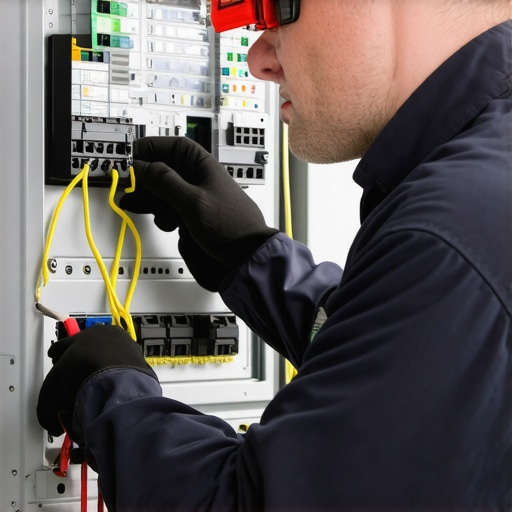 The image depicts a detailed panel inspection with multi-utility tools highlighting critical wiring points.Maintaining a reliable and compliant EV charging setup over the years requires more than just initial installation; it demands the right tools, a disciplined routine, and ongoing vigilance. From specialized diagnostic equipment to software that ensures code adherence, I’ve found several resources invaluable for keeping my system running smoothly and safely.
One of the essential tools I rely on is the Clamp Meter with True RMS. Unlike standard multimeters, a high-quality clamp meter allows me to measure current flow non-invasively while the system is operational, helping detect unusual draw patterns that may indicate wiring issues or component degradation. My personal favorite is the Fluke 376 FC, renowned for its durability and accuracy. Regularly using it to verify consistent load levels prevents unexpected disruptions, especially as my system adapts to adding more EVs.
Complementing physical tools, electrical system analysis software like the Bright Sparks Electric troubleshooting platform helps me interpret field data, check for compliance with evolving 2026 standards, and plan upgrades before issues become critical. These programs often include modules for load calculations, wire sizing, and code checklists, aiding me in proactive maintenance.
To stay ahead of potential problems, I also employ smart circuit analyzers such as the Sonel CA570, which provide real-time insights into system health, detect ground faults, and verify connections for safety. This is particularly useful when scaling my installation or troubleshooting intermittent issues.
Looking ahead, I predict that integration of AI-powered diagnostic tools and IoT sensors will become standard, enabling real-time monitoring of system health and instant alerts for anomalies. This evolution will make proactive maintenance more accessible and less invasive, saving homeowners and professionals time and money.
**How do I maintain the long-term reliability of my EV charging system?** Regular inspections combined with these precise tools ensure safety, compliance, and longevity.
If you’re ready to take your maintenance routine to the next level, start by investing in a reliable clamp meter and utilize professional-grade software. These investments can detect hidden issues early, prevent costly repairs, and keep your system operating at peak efficiency. For detailed guidance on integrating these tools into your maintenance plan, visit Bright Sparks Electric’s expert tips and keep your home charging infrastructure in top shape.
Looking back, one of the most impactful lessons I learned about troubleshooting, panel upgrades, EV charger installation, and code compliance was how small oversights could cascade into major setbacks. First, I underestimated the importance of thorough load calculations—assuming that capacity planning was unnecessary for a simple upgrade, only to find out later that it caused safety hazards and failed inspections. Second, I believed that familiar wiring practices from previous standards still applied—yet, the 2026 updates introduced nuances that I had to quickly adapt to, like new conductor sizing rules. Third, I thought a quick consultation with the local inspector was sufficient, but I realized that understanding the evolving code requirements proactively is far more effective. Lastly, I once overlooked outdated grounding methods, which only became apparent during a detailed inspection, stressing the importance of staying ahead with continuous education and the right tools. These moments were my wake-up calls, emphasizing that success in EV charger projects hinges on deep knowledge, meticulous planning, and embracing ongoing learning in a rapidly changing compliance landscape.