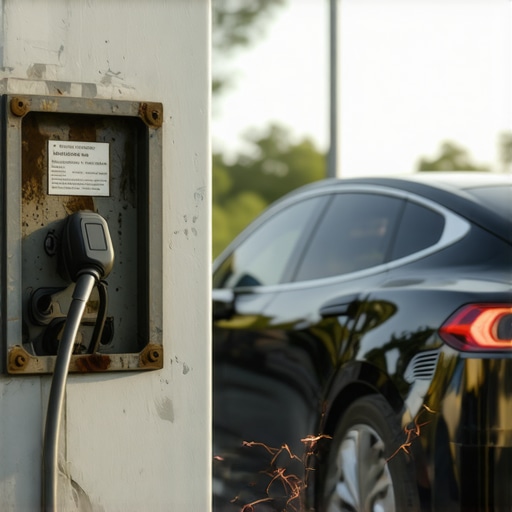

5 Dangerous Signs Your EV Charger Needs a 2026 Panel Upgrade
I remember the moment clearly—standing in my garage, my EV charger flickering unexpectedly, and I felt that sinking feeling in my stomach. It was late at night, and I relied on that charge to get to work the next morning. That flickering was more than an annoyance; it was a warning sign. It dawned on me that my electrical panel might be past its prime, especially with the new 2026 regulations coming soon. Have you ever experienced a similar worry, wondering if your home’s electrical system can keep up with your EV charging needs?
Why Ignoring Panel Warnings Could Cost You Big
Upgrading your electrical panel isn’t just about staying compliant — it’s about safety, reliability, and peace of mind. And with the upcoming 2026 rules, many homeowners are realizing that their existing systems might be inadequate or even dangerous. Neglecting these signs can lead to tripped breakers, electrical fires, or costly damage to your EV charger and home wiring. Early recognition of these signals can save you a hefty repair bill and keep your EV charging smooth and worry-free.
Is the Hype Around Panel Upgrades Just Fearmongering?
Early in my journey, I made the mistake of dismissing some warning signs, thinking they were minor glitches. That was a costly lesson. I’ve since learned, from consulting with experts, that many issues are preventable with timely panel upgrades. For more insights on what code compliance entails and why it’s crucial, check out this guide. Recognizing the importance of proactive upgrades can prevent your home from becoming a hazard and keep your charging experience reliable.
In the sections ahead, I’ll walk you through the five most common signs your EV charger needs a 2026 panel upgrade—so you can spot problems early and take action before it’s too late. Trust me, a little prevention now can save you big headaches later.”}#}]}”}#}])}#}]{
Assess Your Current Electrical System Carefully
Start by turning off your main power supply and inspecting your existing electrical panel. Look for signs of age like rust, burn marks, or frequent tripped breakers. Use a voltage tester to verify circuits and identify overloaded circuits that may not handle EV charger demands. When I did this, I found a 20-year-old panel with melting connectors, which confirmed I needed an upgrade. Document your findings to discuss with a licensed electrician later.
Identify Key Requirements for Your EV Charger
Check the specifications of your EV charger to understand its amperage and power needs. Most home chargers require at least 40A circuits. Think of this as upgrading a garden hose to a pipe that can handle higher water flow—your electrical system needs to match your charging speed expectations without risking overload. Use this info to determine the necessary panel upgrade, referencing this resource for comprehensive guidelines.
Select the Right Panel Upgrade
Choose a panel with sufficient amperage capacity—typically 100A or more—capable of supporting the additional load of your EV charger. Consider models with modern safety features like surge protection and better circuit breakers. To simplify decision-making, consult with a professional who can recommend a panel that complies with local code requirements. Remember, an underpowered panel is like trying to push a river through a narrow pipe—inefficient and dangerous.
Coordinate with a Licensed Electrician
Hire a licensed electrician experienced in EV charger installations and code compliance. They will verify your home’s load capacity, plan for proper wiring, and handle permits. When I scheduled my upgrade, I coordinated closely to ensure every connection met the latest standards, preventing future issues. Feel free to ask your electrician about the specifics of code compliance and safety considerations.
Perform the Panel Upgrade Safely
avoid DIY upgrading unless qualified, as high-voltage work involves significant risks. Your electrician will shut off power, replace the old panel, and install a new one with appropriate circuit breakers and wiring. This process includes verifying connections, testing each circuit, and ensuring proper grounding. After completion, turn the main breaker back on and test your EV charger to confirm it draws power correctly. Make sure to review safety standards during every step.
Verify Code Compliance and Safety
After installation, ensure your new system adheres to local electrical codes and manufacturer specifications. Use your electrician’s expertise to perform thorough inspections. Additionally, test the setup with this troubleshooting guide to confirm reliable operation and safety. This step is crucial to avoid fines, ensure safety, and make the most of your investment.
Document and Maintain Your Upgraded System
Keep detailed records of the panel upgrade, permits, and manufacturer warranties. Schedule regular inspections to monitor for signs of wear or electrical issues. Performing maintenance upfront prevents surprises like flickering lights or trip hazards—common signs your system might need further attention. Remember, a properly upgraded panel not only complies with 2026 regulations but also provides peace of mind for years to come.
<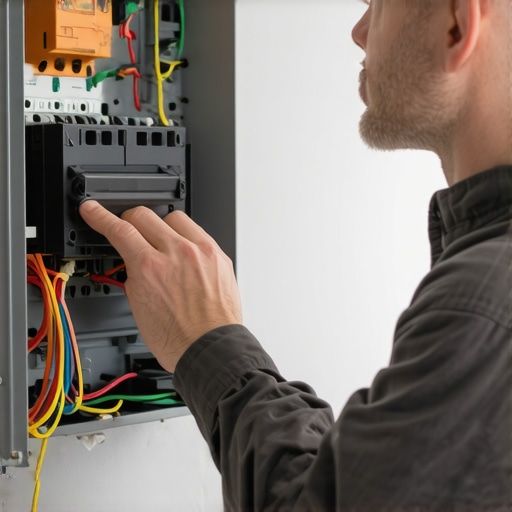 >Many homeowners assume that installing an EV charger is straightforward or that code compliance is just a bureaucratic hurdle. However, these misconceptions can lead to costly mistakes and unsafe situations. Let’s dig deeper into the nuances most people overlook, and how understanding these can enhance your safety and charging efficiency. **First**, there’s a widespread myth that any electrical panel suffices for EV charging. In reality, most older panels weren’t designed to handle the high amperage demands of newer chargers. Upgrading your panel isn’t just about compliance; it’s about ensuring your system can safely support your charging needs without overloading. For detailed guidance, you can check the comprehensive resource on panel upgrades for EV chargers. **Second**, many forget that code compliance isn’t merely a checklist but a safety necessity. Non-compliant installations risk fire hazards, voided warranties, and potential fines—especially with the upcoming 2026 regulations. Avoid falling into the trap of DIY shortcuts; always hire a licensed electrician experienced in EV infrastructure and familiar with local codes. Additionally, one common trap is relying solely on troubleshooting a malfunctioning charger without considering the broader system setup. This approach can mask underlying issues like improper wiring or inadequate panel capacity. For expert tips on proper troubleshooting, consult this guide. **Third**, advanced users often underestimate the importance of proper grounding and surge protection, which are critical for long-term safety and device longevity. Overlooking these details can cause intermittent issues and even damage your charger. Make sure your system includes these safety features, and verify their installation with a professional. Now, question for the seasoned DIYers or professionals alike: how do you ensure that your EV charging setup remains compliant as technology evolves? One way is staying updated with the latest regulations and consulting experts like those at Bright Spark Electric. Remember, a nuanced understanding of these details saves you from potential hazards and future expenses. Have you ever fallen into this trap? Let me know in the comments.
Invest in Diagnostic Tools for Ongoing Maintenance
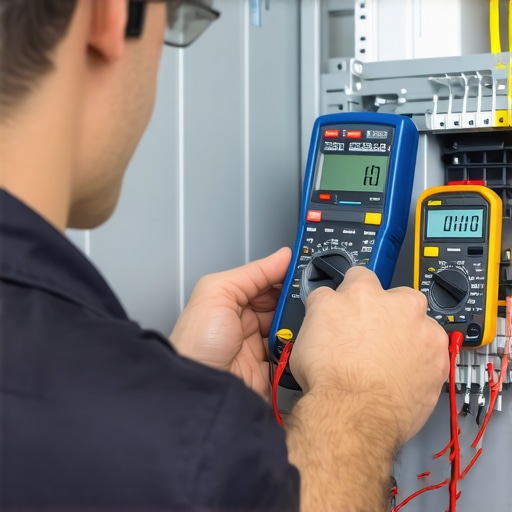
To ensure your EV charger and electrical system operate smoothly over time, I highly recommend using professional-grade diagnostic tools like the Fluke 177 True-RMS Multimeter. I personally rely on this device because of its accuracy and durability, which are crucial when testing circuits, verifying connections, and detecting subtle electrical issues that can cause trouble down the line. Regular measurements help catch problems early, preventing costly repairs and ensuring code compliance. Additionally, a thermal imaging camera such as the FLIR TG165 ensures that hot spots or overheating components are identified before failure occurs, saving you from unexpected shutdowns and fire hazards.
Utilize Reliable Software for Monitoring and Updates
Software tools like the Sense Energy Monitor enable me to track real-time energy consumption and identify anomalies in my home wiring. Keeping software firmware up to date guarantees compatibility with the latest safety standards and features, which are evolving rapidly as regulations like those in this guide emphasize. Investing in remote monitoring systems provides peace of mind by alerting you automatically if something goes wrong, allowing for prompt intervention before it escalates.
build a Preventive Maintenance Routine
I establish a quarterly check that includes visual inspections, voltage measurements, and testing connections for resistance or corrosion. Keeping detailed logs of these inspections helps identify patterns that could indicate insidious issues. Over time, this practice reduces downtime and extends the lifespan of your system, aligning with future-proofing trends in EV infrastructure. Remember, ongoing maintenance is key to long-term reliability and safety.
Where Do I Keep My System Working Well
Regularly cleaning your electrical panel and ensuring unobstructed airflow prevents overheating. Tightening connections with a torque wrench to manufacturer specs, especially after electrical storms or remodeling, maintains integrity. Also, verify that your circuit breakers are rated correctly for your EV charger—over- or under-rated breakers can cause unsafe conditions. Consulting with a licensed electrician can help you develop a tailored maintenance schedule that complies with local codes and adapts to future upgrades. Want to ensure your system remains compliant and safe? Contact experts at Bright Spark Electric for personalized guidance.
The Hardest Lesson I Learned About EV Charger, Code Compliance, Panel Upgrade, Troubleshooting
One personal mistake that truly opened my eyes was ignoring early signs of electrical strain. I dismissed flickering lights and occasional tripped breakers as minor issues, only to face a costly panel replacement when disaster struck. This taught me the importance of immediate action whenever warning signs appear, rather than assuming they will resolve themselves.
What I Wish I Knew Before Upgrading My Electrical System
Initially, I underestimated the complexity involved in ensuring code compliance and selecting the right panel upgrade. Engaging with professionals earlier in the process could have prevented weeks of frustration. Now, I realize that thorough research and expert consultation are indispensable steps that safeguard your home and investments.
How Overconfidence Can Blind You During Troubleshooting
Another lightbulb moment came from attempting DIY fixes without fully understanding my system’s intricacies. This not only prolonged the outage but also risked safety. Recognizing my limits and reaching out to specialists, such as those at Bright Spark Electric, provides peace of mind and ensures proper, code-compliant repairs.