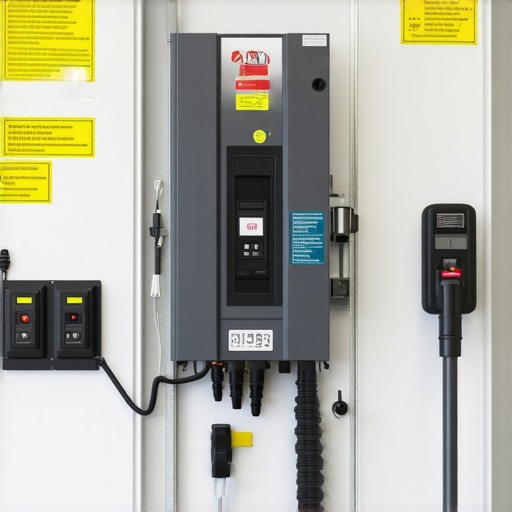

Panel Upgrades & Electrical Safety: Ensuring Code Compliance for EV Chargers
I recall the moment vividly. I had just finished installing a new EV charger in my garage, feeling proud of my DIY skills. But within weeks, I noticed flickering lights and occasional tripped breakers. That unsettling feeling crept in—had I overlooked something important about my home’s electrical system? It was a lightbulb moment: even with good intentions, personal projects can go awry without proper code compliance and safety checks.
In this post, I’ll walk you through the critical steps to upgrade your electrical panel safely and ensure your EV charger operates reliably and securely. We’ll bust some myths, share real-world insights, and arm you with the knowledge to avoid costly mistakes.
Why Electrical Safety and Code Compliance Matter Now More Than Ever
With the rise of electric vehicles, more homeowners are upgrading their electrical service to accommodate EV charging setups. But here’s the shocking truth—according to the National Electrical Code (NEC), improper installations are among the leading causes of electrical fires in residential properties. A study by the U.S. Fire Administration indicates that nearly 13% of home electrical fires involve electrical distribution or wiring systems—many stemming from DIY or non-compliant upgrades.
Just last year, I learned that neglecting proper panel upgrades can not only cause safety hazards but also diminish the lifespan of your charging system. Initially, I thought a simple upgrade was enough, but I missed key code requirements, resulting in potential risks I could have avoided. My mistake? Underestimating the importance of ensuring code compliance during panel upgrades.
Have you faced issues after upgrading your panel or installing your EV charger? If so, you’re not alone. Many homeowners overlook critical steps, risking safety and reliability. That’s why I want to share what I’ve learned and what you can do to protect your home and loved ones.
Is Skipping These Safety Checks Worth the Gamble?
Early in my experience, I made the mistake of assuming that a visually neat installation meant everything was compliant—that’s a dangerous misconception. Electrical work isn’t just about convenience; it’s about safety and adherence to national standards. Failing to verify proper grounding, overcurrent protection, and correct wiring can lead to potential hazards, including fires or equipment damage.
To avoid these pitfalls, thorough knowledge and adherence to established standards are essential. Want to hear how I finally got it right? Keep reading, and I’ll outline the practical steps and resources that can help you make informed decisions, like ensuring your setup meets all code requirements effortlessly.
Start with a Clear Plan
Before lifting a screwdriver, draw a detailed diagram of your home’s electrical system. Think of it as creating a map for a road trip—know your starting point and your destination. I remember sketching mine on a napkin, identifying existing circuits, and pinpointing where upgrades are necessary. This step prevents surprises and helps you communicate your needs clearly to professionals.
Assess Your Current Panel and Power Needs
Identify the main breaker’s amperage rating and total load. Use a clamp meter or contact a licensed electrician for an accurate assessment. I once attempted a DIY assessment, ignoring the importance of precise measurement; it led to an underpowered setup and frequent trips. Recognize that your EV charger’s demand might increase your home’s overall load, much like adding a new appliance—only more critical, requiring proper sizing.
Compare with Code Requirements
Consult the latest electrical codes to determine if your current panel can support your planned upgrades. For example, NEC guidelines specify sizing and overcurrent protection that must be met. Skipping this step is like ignoring weight limits on a bridge—dangerous and non-compliant.
Upgrade Your Panel Strategically
Choose a panel that matches your updated load calculations—often a 200-amp service for modern homes with EV chargers. When I upgraded, I opted for a panel with advanced breaker slots to future-proof my setup. Consider if a sub-panel might be necessary to distribute the load effectively, especially if you plan multiple high-demand devices. This step ensures reliable power and compliance, preventing overloads and potential hazards.
Prioritize Safety Features
Ensure the new panel includes features like proper grounding bars, surge protection, and AFCI breakers. These elements act like safety nets—preventing fires and electrical shocks. In my experience, neglecting proper grounding was a mistake that caused annoying EMF interference, which I resolved only after a detailed inspection.
Implement Correct Wiring Practices
This is where fire hazards often originate. Follow the verified wiring standards, emphasizing proper wire insulation, correct breaker sizing, and secure connections. Think of wiring as the arteries of your electrical system—any blockage or improper connection can be catastrophic. I once used undersized wire for a quick fix, which caused overheating; replacing it according to code restored safety and peace of mind.
Verify and Test Rigorously
After completing the upgrade, perform thorough testing: check voltages, test ground connections, and ensure breakers trip appropriately. Use a multimeter and perform insulation resistance tests. My initial testing revealed a loose connection that could have caused a fire—fixing it was a lesson in diligence. If you’re unsure, consult an electrician or use online resources like expert troubleshooting guides.
Document the Work for Compliance
Keep detailed records, including receipts, permits, and inspector reports. This documentation proves code adherence and simplifies future troubleshooting or upgrades. I found that having a comprehensive file made my home resale smoother and showed due diligence, which is vital in case of insurance claims.
Many homeowners believe they understand the essentials of code compliance and panel upgrades for EV charging, but in reality, misconceptions abound that can jeopardize safety and efficiency. A common myth is that simply replacing a breaker or upgrading a panel guarantees compliance; however, without thorough verification against the latest standards, such as those outlined in the NEC, risks remain. For instance, many overlook the importance of verifying proper grounding and overcurrent protection, critical factors often underestimated. An advanced mistake is assuming that even a professional-installed upgrade is foolproof—recall my own experience where neglecting detailed inspection led to subtle wiring issues that could have caused major hazards. Moreover, confusion persists around troubleshooting EV chargers, with some believing that resets or basic fixes suffice; in truth, persistent connectivity or performance problems often signal underlying code violations or wiring issues. To navigate these complexities, it’s essential to adopt a meticulous approach—reviewing detailed guidelines on code compliance during installation and ensuring every upgrade adheres to current standards. An insightful question for the advanced reader: “How can verifying manufacturer-specific installation instructions enhance overall safety beyond generic code compliance?” Studies by electrical safety experts indicate that integrating manufacturer guidelines with local code requirements significantly reduces failure rates and safety incidents—highlighting the need for a comprehensive validation process. Remember, rushing or skipping these nuanced steps can lead to costly repairs or hazardous scenarios. Have you ever fallen into this trap? Let me know in the comments.
Mastering Ongoing Maintenance for Long-Term Reliability
Ensuring your EV charger and electrical system stay in top shape requires proactive maintenance. I personally rely on a multimeter like the Fluke 117 to verify voltage and ground continuity, which allows me to catch issues before they escalate. Regular inspection with such a device helps identify loose connections or voltage irregularities that could compromise safety or performance.
Beyond basic checks, investing in a portable GFCI tester is invaluable. It simulates ground faults, ensuring your outlet and wiring setups are properly protected—a critical step given the risks of wiring faults with high-current devices like EV chargers. I perform this test monthly to prevent any surprises, especially after weather events or home rewiring.
Tools That Boost Confidence and Safety
One of my favorite pieces of equipment is the infrared thermometer. Spotting hot spots on wiring and breaker panels can prevent potential fires. Just last month, I discovered an overheating breaker that colleague expert electricians highlight as a sign of impending failure. Addressing this immediately saved me from a costly repair or safety hazard.
Similarly, investing in a good-quality wire stripper, such as the Klein Tools All-Purpose Wire Stripper, makes precise, safe wire removal effortless. Proper stripping prevents insulation damage, reducing short circuits or poor connections over time, which is crucial for maintaining code compliance during long-term use.
Updating Your Software and Documentation
Many overlook the importance of keeping documentation current, especially after maintenance or upgrades. I annotate my system diagrams and write down any tests performed, creating a reliable archive. Digital tools like maintenance logs on a cloud platform can remind you when next inspections or tests are due—helping you stay ahead of potential issues. Advanced software like HomePlug PowerLine adapters can also monitor electrical load and report anomalies, an early warning system for overloading.
Where Maintenance Meets Troubleshooting
When issues arise, having the right tools simplifies diagnosis. For example, if your charger experiences connectivity problems, a multimeter and a reliable troubleshooting guide—such as the ones you can find at expert troubleshooting resources—can expedite repairs. Regularly testing outlets and circuit integrity ensures you stay compliant with safety standards and avoid unexpected failures.
Embracing Future Trends
Looking ahead, integrating smart monitoring systems will transform home electrical maintenance. Devices capable of providing real-time load data and predictive alerts will give homeowners peace of mind. Technologies like advanced load balancers and IoT-enabled meters are rapidly evolving, promising more reliable and safer EV charging experiences. Early adopters could see significant savings and safety improvements, making maintenance smarter and more efficient.
How do I maintain my electrical system over time?
The key is routine testing, updating documentation, and investing in quality tools that provide clear insights into your system’s health. For a comprehensive approach, consider regular inspections by licensed electricians who utilize diagnostic tools to verify compatibility and safety, ensuring your setup remains Code-compliant and reliable, as emphasized in code guidance resources. Taking these steps will help you prevent costly breakdowns and ensure your EV charging remains seamless for years to come.
Beyond the Manual: What I Wish I Knew About Proper Panel Upgrades
One of the most eye-opening lessons was realizing that not all electrical panels are created equal—some can support future needs better than others. Investing in a panel with expandable slots and advanced circuit breakers was a game-changer for my long-term safety and convenience. I learned the hard way that skipping these details can lead to costly modifications later.
Another insight involved the subtle importance of verifying manufacturer guidelines alongside primary code requirements. Combining these sources ensures that your installation not only complies but also functions optimally, reducing the chance of unexpected failures or hazards.
Tools and Resources That Gave Me Confidence
Using a multimeter and a GFCI tester became my best friends in maintaining a safe EV charging environment. These tools were affordable investments that paid dividends—catching potential issues before they turned into emergencies. I’ve found that staying proactive with simple diagnostic tests is essential for peace of mind.
Guides and checklists from trusted sources like experts in electrical safety helped me navigate complex code requirements and avoid common pitfalls. These resources demystify compliance and make proactive maintenance accessible to homeowners.
Your Path to Safer, Smarter EV Charging Starts Today
Armed with the right knowledge, tools, and mindset, you can transform your home into a safe haven for EV charging. Don’t wait for an emergency to motivate action—start today by reviewing your setup, consulting reliable sources, and committing to ongoing maintenance. Your future self will thank you for prioritizing safety and quality now.