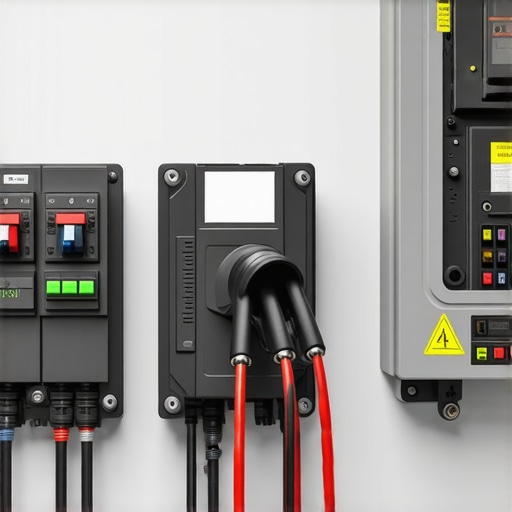

Panel Upgrades & Electrical Safety: Ensuring Code Compliance for EV Charging
I remember the moment clearly. After installing my new EV charger, my home circuit breaker kept tripping. Frustrated and worried, I realized I overlooked a crucial detail: ensuring my electrical panel could handle the upgraded load. That lightbulb moment made me dig deep into the world of code compliance and panel upgrades. If you’ve faced similar struggles—particularly with troubleshooting or upgrading your electrical system—you know how stressful it can be. Today, we’re going to tackle a common dilemma among EV owners: how to upgrade your electrical panel safely and in compliance with code requirements to ensure reliable, safe charging at home.
Why Cutting Corners on Panel Upgrades Can Cost You Big Time
Upgrading your electrical system might seem like an intimidating task, but skimping on proper installation can lead to hazardous situations, hefty fines, or even voided insurance policies. For instance, the National Fire Protection Association reports that faulty wiring and improper upgrades are among the leading causes of residential electrical fires—costing Americans millions annually. This emphasizes why understanding and implementing code-compliant panel upgrades isn’t just about legality; it’s about safety and peace of mind.
Is It Really Worth Investing in Proper Upgrades or Just Cutting Corners?
I admit, early on I was tempted to go the quick and cheap route, but I made the mistake of ignoring the importance of verified compliance and quality materials. That oversight nearly cost me my home. Proper panel upgrades and ensuring code compliance isn’t just a bureaucratic hurdle; it’s a critical step to maintaining safe and reliable home charging. You can read more about the specifics of what an upgrade entails and how to verify code compliance [here](https://brightsparkzelectric.com/how-to-verify-code-compliance-for-your-ev-charger-installation).
If you’ve faced these kinds of issues or have questions about your own setup, keep reading. We’ll explore the practical steps to upgrade your panel responsibly and troubleshoot common issues—so you can enjoy worry-free EV charging that’s both safe and efficient.
Assess Your Existing Electrical System
Begin by evaluating your current electrical panel’s capacity. Turn off all appliances and observe the main breaker, noting its amperage rating. I once checked my panel during a dinner before installing my EV charger; I discovered it was rated for 100 amps, but my new charger required a 200-amp capacity—an immediate red flag. To properly upgrade, you need to know if your panel can handle additional loads or if an expansion is necessary. Use a multimeter or hire a licensed electrician to perform a load calculation, ensuring your system can safely accommodate the new demands.
Verify Code Compliance Before Making Changes
Next, familiarize yourself with local electrical codes, which govern safe installation practices. Think of codes as the ‘rulebook’ that keeps your home safe; ignoring them is like building a bridge without a blueprint. I personally downloaded my local regulations and cross-checked them with the official guidance. You might need a permit or inspection, especially for panel upgrades, so contact your local authority or consult with a professional to confirm your plan meets all requirements.
Select the Right Panel Upgrade and Materials
Choosing the appropriate panel upgrade involves matching the capacity to your home’s needs. Consider a dedicated subpanel for your EV charger, which isolates it and simplifies future upgrades. Think of this like adding an extension to your house—better to build it robustly the first time. Use high-quality, UL-listed components, including breakers and wiring. During my own upgrade, I opted for a 200-amp load center with heavy-duty breakers, which provided peace of mind and room for expansion. For detailed product recommendations, visit this resource.
Coordinate with a Licensed Electrician
While some homeowners might attempt DIY, code-compliant panel upgrades are best handled by professionals. Think of electricians as skilled architects—they know how to design a safe electrical system tailored to your home. I hired a licensed electrician, who brought experience and ensured my setup met all safety standards. Schedule a consultation, provide the load calculation and materials list, and verify their licensing and insurance details via their contact page. Clear communication prevents errors and guarantees adherence to regulations.
Perform Upgrades Safely and Test Thoroughly
Once installation is complete, double-check all connections, and restore power meticulously. Turn on your system and monitor for issues—heat, sparks, or tripped breakers. I learned this the hard way when my first startup tripped the breaker; a loose connection was to blame. Carefully test each circuit, including your EV charger, following safety procedures. For troubleshooting tips, explore this guide to ensure reliable and safe operation of your new setup.
Tackle Common Troubleshooting Problems
If your charger isn’t functioning properly, verify that your panel upgrades and wiring are correct. Check for proper grounding, correct breaker sizing, and secure connections. Using a multimeter, ensure voltage matches specifications. Remember, electrical issues can be dangerous; when in doubt, consult your electrician or utilize troubleshooting resources such as this troubleshooting guide. Addressing these issues promptly ensures your EV charging remains safe and reliable, saving you time and potential hazards down the line.Many homeowners assume that adhering to code requirements and choosing compatible panels is straightforward, but in reality, there are nuanced pitfalls that can compromise safety and performance. A common misconception is that meeting the minimum code requirements suffices for long-term reliability; however, experts stress the importance of considering future potential loads and the quality of materials used. For example, selecting a panel rated just enough for current needs without accounting for future expansion can lead to frequent tripping and costly upgrades later. This is where a thorough understanding of advanced electrical planning becomes crucial, as detailed in resources like [panel upgrades for EV chargers](https://brightsparkzelectric.com/panel-upgrades-for-ev-chargers-what-you-need-to-know), which emphasize foresight beyond the bare minimum. One trap to avoid is relying solely on self-assessment; professional inspection and load calculations are vital to uncover hidden issues, such as subtle wiring deficiencies that might not trip breakers immediately but pose safety risks.
Another often overlooked point is the misconception that all code compliance checks are equally rigorous across regions. Variations in local codes mean that what is compliant in one area might be insufficient in another, potentially affecting insurance coverage or future resale value. I’ve seen cases where homeowners thought their installations were foolproof until an inspection revealed discrepancies, highlighting the importance of engaging licensed electricians familiar with local standards. A sophisticated question to ask is: How do evolving codes and standards impact existing installations, and what steps should homeowners take to stay compliant over time? The answer often involves periodic reviews and updates, as outlined by safety experts and documented in [expert guides](https://brightsparkzelectric.com/expert-panel-upgrades-code-compliance-for-safe-ev-charging). Remember, neglecting these nuances not only risks violating regulations but can also endanger your home and loved ones. Have you ever fallen into this trap? Let me know in the comments.Once you’ve completed your initial panel upgrade and EV charger installation, ongoing maintenance becomes crucial to ensure safety and optimal performance. Regular inspections of your electrical connections can prevent unexpected issues—I’ve found that visually checking breaker panels every six months helps identify loose wiring or corrosion early. Using a quality multimeter, like the Fluke 117, allows me to verify that voltage levels remain within specifications, catching potential problems before they escalate. Additionally, keeping the area around your panel clean and free of dust or moisture reduces the risk of short circuits and electrical fires. Scheduling annual professional inspections ensures compliance with evolving safety standards, especially as local codes update, which can impact your system’s legality and insurance coverage. To stay ahead, I recommend subscribing to industry newsletters or joining forums like the Electric Vehicle Charging Community, where updates on best practices are regularly shared. Moving forward, investing in smart monitors can offer real-time data on your system’s health, alerting you immediately to anomalies—these devices are becoming more affordable and user-friendly. I personally use the Sense Energy Monitor to track energy flow and detect irregularities, providing peace of mind and helping optimize charging schedules for savings. How do I keep my electrical system functioning smoothly over time? The key is a combination of routine visual checks, professional inspections, and leveraging modern diagnostic tools. As the trajectory of EV adoption accelerates, I predict that the integration of AI-powered monitoring will become standard, enabling smarter, safer home charging. For a detailed guide on maintaining code compliance and troubleshooting persistent issues, visit this expert resource and try implementing a smart system to proactively detect problems before they happen.
What I Wish I Knew Before Starting My Panel Upgrade
- Don’t Underestimate the Complexity: Upgrading an electrical panel isn’t a simple job—it requires understanding local codes and planning for future load increases. Rushing leads to mistakes that can compromise safety and performance.
- Professional Help Is Worth Every Penny: Attempting DIY upgrades may seem cost-effective initially, but a licensed electrician’s expertise ensures your system is safe, compliant, and ready for future expansion.
- The Devil Is in the Details: Small overlooked factors like proper grounding, cable sizing, and circuit separation can cause big problems down the line. Meticulous planning and verification save headaches later.
- Code Compliance Isn’t Just About Passing Inspections: Following the rules protects your home and loved ones. Staying informed on evolving standards and periodically reviewing your system with professionals keeps your setup current and safe.
- Future-Proofing Saves Money and Stress: Anticipate future needs by choosing a panel with extra capacity and quality materials now—preventing costly upgrades down the road and ensuring reliable EV charging.
Tools and Insights That Made a Difference
- Official Local Codes Documentation: Always start here to understand the specific requirements for your area. I trust my local regulations and the [official guidance](https://brightsparkzelectric.com/how-to-verify-code-compliance-for-your-ev-charger-installation) to keep me aligned with safety standards.
- High-Quality Components: Using UL-listed breakers and wiring is non-negotiable—these materials ensure durability and safety, as I experienced during my own upgrade with products recommended on [this page](https://brightsparkzelectric.com/upgrading-your-panel-for-better-ev-charging-performance).
- Skilled Electricians: A licensed professional not only inspects and installs but also provides peace of mind. Their expertise in [code compliance](https://brightsparkzelectric.com/expert-panel-upgrades-code-compliance-for-safe-ev-charging) makes all the difference.
- Diagnostic Tools: Multimeters and smart monitoring devices help catch issues early. I utilize tools like the Fluke 117 and the Sense Energy Monitor for ongoing checks and alerts, extending my system’s longevity.
Your Next Step Starts Here
Embarking on a panel upgrade for your EV charger is an investment in safety, convenience, and future readiness. Don’t let misconceptions or rushing compromise your safety. Trust in proper planning, professional help, and quality materials to ensure your home charging setup is both reliable and compliant. The future of electric vehicle charging depends on smart, safe choices today—make yours count.
What challenges have you faced when upgrading your electrical system or installing an EV charger? Drop your experiences or questions below—I’m here to help you navigate safely towards a smoother charging experience.
,