
Top Panel Upgrade Tips for Safe EV Charger Installation
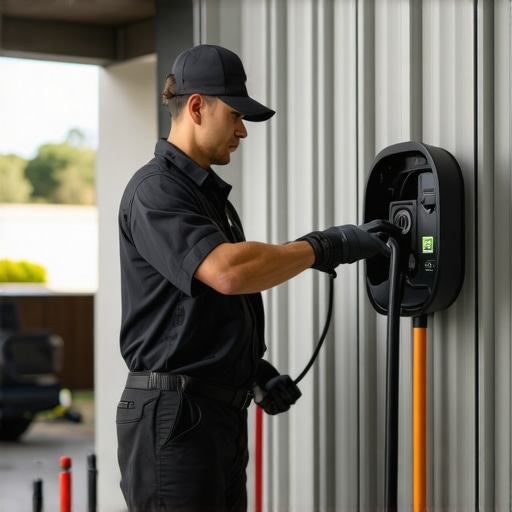
It was a chilly Saturday morning when I hit a wall—my first attempt at installing an EV charger in my home didn’t go as smoothly as I expected. Sparks flew, and I realized I had missed a critical step: ensuring my electrical panel was ready for the added load. That realization was a lightbulb moment for me, highlighting just how vital a proper panel upgrade can be for safety and efficiency. If you’re contemplating installing an EV charger, and you’re worried about safety or code compliance, you’re not alone. Many homeowners overlook the importance of upgrading their electrical panels, which can lead to serious issues down the line.
Why a Reliable Panel Upgrade Matters More Than You Think
Your electrical panel isn’t just a box of wires—it’s the heart of your home’s power system. When adding an EV charger, especially a Level 2 unit, you’re requesting a significant increase in current flow. Without a proper upgrade, this can cause overloads, short circuits, or even electrical fires. There’s plenty of published research emphasizing that residential electrical fires often stem from outdated or overloaded panels, making regular upgrades a crucial safety step. For instance, the National Fire Protection Association reports that electrical failures are a leading cause of home fires, with many linked to inadequate wiring or panels. That’s why it’s essential to verify whether your current system can handle the extra demand.
Thinking about skipping this step might seem tempting to save money or time, but the risks outweigh the benefits. Trust me—the small cost of a professional panel upgrade can prevent much bigger headaches, or worse, safety hazards. When I first tried to install mine without proper planning, I underestimated the importance of code compliance and proper sizing. That mistake nearly cost me not just money but peace of mind.
So, if you’re ready, let’s dive into the practical steps that will help you ensure a safe, code-compliant upgrade for your home’s electrical system. Remember, approaching this with the right knowledge makes all the difference—and if you’ve faced similar concerns or mishaps, sharing your experience can be a helpful step too. Want to learn more about the specifics? Check out my detailed guide on [upgrading your panel for better EV charging performance](https://brightsparkzelectric.com/upgrading-your-panel-for-better-ev-charging-performance). Now, let’s move on to how you can assess your panel’s readiness and what to look for in a professional upgrade.
Assess Your Electrical Panel’s Capacity
Begin by turning off all appliances and installing a socket tester to scan for existing issues. Next, locate your main electrical panel—usually in the basement, garage, or utility closet—and check its current amperage rating, which is labeled on the door. For safe EV charger installation, your panel should be rated at least 100 amps. If it’s lower, a panel upgrade is necessary. Remember, like upgrading vehicle tires before a long trip, ensuring your home’s electrical system can handle the load is vital for safety and performance. I once encountered a panel rated at 60 amps, which clearly couldn’t support the additional demand, leading to a costly upgrade that could have been avoided with proper early assessment. Use a multimeter or hire a licensed electrician for accurate readings. Once you have this info, you can plan the next steps to keep your home safe and compliant.
Determine Your Circuit Breaker Needs
Identify the circuits feeding your intended EV charger location—these are marked inside the panel or on the breaker itself. For a Level 2 charger, you’ll typically need a dedicated 240-volt circuit with a 40-50 amp breaker. If your existing breaker isn’t rated high enough, **a replacement with a higher-rated breaker is required**—but only if the panel can accommodate it without exceeding the total amperage. Think of this like upgrading a highway lane—adding more capacity requires a bridge sturdy enough to hold it. During my recent upgrade, I found a 30-amp breaker already in use on the same panel, so I needed to replace it with a 50-amp version and ensure the bus bar could handle it. This process involves turning off the main power, unscrewing the existing breaker, and installing the new one, making sure it clicks firmly into place. Always consult your panel’s specifications or a professional to confirm compatibility.
Evaluate the Panel’s Physical Condition and Compatibility
Inspect your electrical panel for signs of wear such as corrosion, rust, or frequent tripping. Check if there is space available for additional breakers; many panels have blank slots for expansion. If your panel is over 20 years old or shows signs of deterioration, a full upgrade might be safer than just replacing breakers. Consider if your panel is compatible with modern standards—some older panels may lack the capacity or wiring configuration to support circuit addition safely. Think of it as replacing an outdated engine: upgrading the entire system can be more reliable than patching an old engine. I once had a client with a legacy panel that couldn’t be upgraded with new breakers, forcing us to replace the entire unit to meet current safety codes. Confirm the panel’s model number and specifications with your electrician or by referencing the manufacturer’s documentation.
Plan for Professional Upgrading
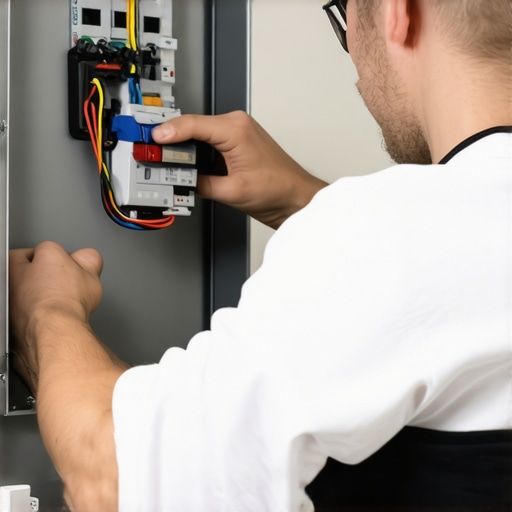
This step involves scheduling a licensed electrician to perform the upgrade, ensuring it meets local electrical codes and safety standards. Don’t skip this—improper installation can lead to fire hazards or code violations, which may jeopardize your home insurance. A professional will verify your assessments, select compatible components, and perform the upgrade using proper tools and safety precautions. When I hired a licensed electrician for my upgrade, he also checked other parts of my system, catching issues I hadn’t noticed. Always ask for a detailed written proposal and verify their licensing and insurance before proceeding. Remember, electrical work is complex and dangerous; a proper upgrade is worth the investment for peace of mind and safety compliance.When homeowners tackle EV charger installations, many assume that adhering to basic code requirements suffices. However, the reality is that code compliance isn’t just about ticking boxes; it’s about understanding nuanced safety standards that can trip up even experienced electricians. For instance, a common misconception is that installing a higher-capacity breaker automatically ensures safe operation. In truth, upgrading your panel without verifying specific load calculations and wiring standards can lead to dangerous overloads or fire hazards. Experts like those at the National Fire Protection Association emphasize thorough system evaluation before making modifications, underscoring that code compliance is context-dependent and far from one-size-fits-all.
Another often-overlooked aspect is the difference between compliance and practical safety. While a retrofit might meet minimum code standards, it may not account for dynamic load fluctuations caused by simultaneous high-demand appliances or future EV charger upgrades. This can lead you into a trap where safety standards are technically met, yet system reliability suffers. Regularly consulting authoritative resources—such as detailed guidelines on [panel upgrade safety](https://brightsparkzelectric.com/panel-upgrades-code-compliance-ensuring-safety-with-ev-chargers-in-15-steps)—can reveal these hidden pitfalls.
Ever wondered if your understanding of compliance covers all bases? Many homeowners trust DIY approaches and skip professional assessments, risking code violations that might affect insurance claims or future resale. For example, improper wiring or insufficient grounding—issues often missed by amateurs—are critical for safety but escape untrained eyes. Engaging licensed electricians not only brings expertise but also ensures you adhere to regional amendments, which can vary significantly. Remember, local codes are frequently updated; as one expert puts it, “Following outdated practices is one of the leading causes of electrical failures in homes” (source: [NFPA](https://www.nfpa.org)).
Make sure your upgrade journey doesn’t fall into these common traps. Proper assessment of your system’s actual load capacity, detailed wiring verification, and adherence to evolving standards are essential. For comprehensive guidance, explore my [detailed guide on code compliance in EV installations](https://brightsparkzelectric.com/essential-guide-to-code-compliance-panel-upgrades-for-safe-ev-charging). Don’t forget—consultation with professionals can uncover nuances that DIY checks might miss. Have you ever fallen into this trap? Let me know in the comments and share your experience.Ensuring your home EV charging station remains operational and safe over the long term requires the right tools and regular maintenance routines. Personally, I rely on a combination of professional-grade diagnostic equipment and digital management software to keep everything running smoothly. One tool I consider indispensable is the Fluke 323 Clamp Meter, which allows me to accurately measure current loads without disconnecting circuits, ensuring my system operates within safe parameters. I use this device regularly to verify that circuits arent overloaded, especially after panel upgrades or adding new loads—consistent checks prevent unexpected trips or failures. Additionally, I incorporate a portable GFCI tester to periodically confirm grounding and protection devices are functioning correctly, critical for safety in EV charger installations. To monitor the health of my system remotely, I’ve set up a smart energy management system that tracks energy consumption patterns and sends alerts when anomalies occur, such as unexpected surges or dips in power that might indicate wiring issues or failing components.
Maintenance isn’t just about hardware; updating software and firmware on your EV charger and related components is equally vital. For example, manufacturers often release firmware updates that patch security vulnerabilities or improve performance. I regularly check the manufacturer’s website and subscribe to their update notifications to ensure my system benefits from the latest enhancements. Documenting all maintenance activities, including tool readings and software updates, helps track system health over time and prepares you for troubleshooting, should issues arise.
Looking ahead, the trend is moving toward integrated smart systems that automate diagnostics and predictive maintenance. This evolution will allow homeowners to identify potential failures before they happen, dramatically reducing downtime and repair costs. For now, however, a disciplined routine combining physical inspections, accurate measurement tools, and software updates forms the backbone of reliable EV charging support.
How do I maintain my EV charger and panel system over time?
Establish a weekly routine to inspect physical connections for corrosion or signs of wear, verify device operation with tools like the Fluke 323 for current calibration, and perform firmware updates. These practices not only extend the lifespan of your system but also ensure ongoing safety and compliance. Remember, dedicated tools like these are worth the investment; they empower you to catch minor issues before they develop into costly repairs. I highly recommend trying out the Fluke 323 Clamp Meter as your primary diagnostic device—it’s been a game-changer for me in maintaining a safe and efficient charging setup. To explore more about maintaining code compliance and safety standards in your system, visit my detailed guide on [panel upgrade safety](https://brightsparkzelectric.com/panel-upgrades-code-compliance-ensuring-safe-ev-charging). Regular maintenance with proper tools simplifies troubleshooting and keeps your home powered reliably, giving you peace of mind during every charge.
Every homeowner venturing into EV charger installation uncovers lessons that go beyond checklists and code compliance. One insight I wish I grasped earlier is how crucial the physical state of your electrical panel truly is—it’s the foundation of your entire charging safety. Overlooking age or wear can be a costly mistake, emphasizing that a comprehensive evaluation is always worth the effort.
Another reality check came when I realized that DIY approaches, while tempting, often miss the nuanced requirements of local standards. Engaging licensed professionals not only ensures safety but provides peace of mind, especially as regulations evolve. Remember, the subtle differences in wiring configurations or grounding practices can make all the difference—resources like this guide have been invaluable for me in staying ahead.
Finally, embracing ongoing maintenance and embracing modern diagnostic tools transformed my understanding of system reliability. Regular inspections with devices such as the Fluke 323 Clamp Meter and staying updated through software not only prolongs system life but keeps safety front and center. This proactive mindset can save you from surprises, making EV charging safer and more dependable in the long run.
Insider Lessons That Changed My Approach to Home Charging Safety
- The importance of evaluating my panel’s physical integrity: Old or Corroded panels are silent hazards that can undermine safety—pre-emptive upgrades are best.
- The value of expert consultation over solely DIY efforts: Local code intricacies and unseen wiring issues demand professional eyes for peace of mind.
- Integrating regular maintenance routines with quality tools: Using trusted diagnostic equipment like the Fluke 323 has revolutionized how I monitor my system’s health.
- Staying informed with authoritative resources: Continuous learning from trusted sources helps me stay compliant with changing standards, ensuring my system remains safe and efficient.
Tools and Insights That Keep My System Running Smoothly
- Diagnostic Equipment: The Fluke 323 Clamp Meter has been indispensable for real-time load assessments.
- Maintenance Guides: The comprehensive guide on code compliance keeps my upgrades aligned with safety standards.
- Learning Resources: Trusted websites and professional tutorials have broadened my understanding beyond basic installation.
- Monitoring Software: Smart energy management systems help me catch anomalies early, preventing potential hazards.
Embrace Your Power to Charge Safely and Mindfully
Taking charge of your home’s EV charging system might seem daunting at first, but with the right knowledge and tools, it’s a journey filled with rewarding discoveries. By learning from personal experiences and trusted resources, you can create a safe, efficient environment for your EV and your family. Remember, each step you take towards proper upgrade and maintenance is a stride toward peace of mind and sustainable living. Ready to make your home charging truly safe? Share your thoughts or questions below—let’s keep the conversation going and empower each other in this electrifying journey.
Reading this post really highlighted how crucial it is to not overlook the importance of a proper panel assessment before installing an EV charger. I ran into a somewhat similar situation where I attempted a DIY upgrade, and luckily, I had an electrician come by just in time. It’s so easy to underestimate the age and condition of your panel, especially if it’s over 15 years old. I learned that inspecting the panel for corrosion, rust, and available slots can save a lot of headache later on. Also, I found that investing in a good diagnostic tool like the Fluke Clamp Meter immensely helped me monitor the load and ensure everything was within safe limits. Have others experienced surprises with older panels that weren’t initially apparent? What’s been your approach to handling legacy systems—replacing the entire panel or just upgrading breakers? Would love to hear about different strategies people have used to ensure their home’s electrical system stays safe and efficient.
I completely agree with the emphasis on testing your electrical panel before jumping into an EV charger installation. Having recently upgraded my system, I realized how revealing it can be to check for corrosion or signs of wear—things that aren’t always obvious at first glance. I also found that taking photos of my panel labels and breaker configurations made it easier for my electrician to assess what upgrades were needed. An interesting challenge I faced was figuring out how to handle an older panel that lacked sufficient space for new breakers. In my case, I opted for a complete replacement, which seemed the most straightforward and safe solution long-term. Has anyone else had to deal with incompatible panels that couldn’t be upgraded with just breakers? What was your decision-making process? Would be helpful to hear different approaches on balancing cost, safety, and future-proofing.
This post really hit home for me. I learned from my own experience that even panels that seem functional can hide underlying issues, like corrosion or undersized wiring, especially in older homes. Checking the physical condition and capacity of your panel before beginning any EV charger installation is so crucial. I had a situation where I thought just replacing the breaker would suffice, but after inspecting, I realized I needed a full panel upgrade because of its age and deteriorated condition. It’s great to see detailed guidance on assessing load capacity and the importance of professional help. I think many homeowners underestimate how unnoticeable some issues are until it’s too late. Has anyone here encountered a similar story where their initial assessment was way off? Do you think home inspections with a licensed electrician should become a standard step before EV installations to avoid these surprises? I believe more proactive evaluations could save many from costly repairs later on.