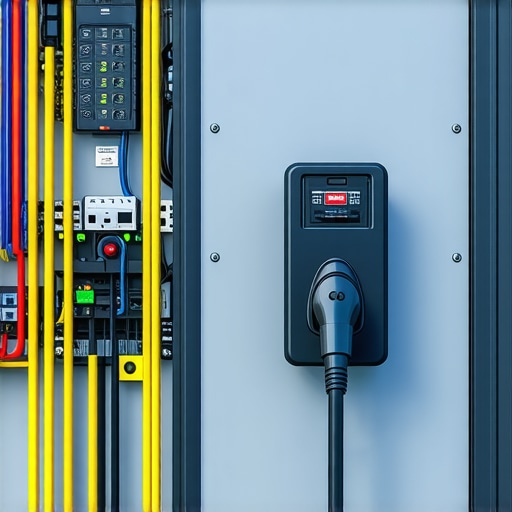

Panel Upgrades & Code Compliance: Ensuring Safe EV Charging in 13:33
Ever had that sinking feeling when your new EV charger trips the breaker for the third time in a week? I remember the exact moment I realized my home’s electrical system wasn’t up to the task. It was late at night, my car was fully charged, but I was left feeling anxious every time I plugged in. That lightbulb moment made me dig deeper into the world of panel upgrades and code compliance, and what I found was eye-opening. It’s not just about installing a charger; it’s about doing it safely and according to the rules. Today, I want to share the real story behind ensuring your home’s electrical system can handle your EV needs, and how proper upgrades and compliance can save you from costly mistakes and dangerous hazards.
Why Proper Panel Upgrades Matter for Safe EV Charging
When I first installed my EV charger, I thought I was being smart by doing a quick DIY setup. Turns out, I overlooked a crucial detail: my existing electrical panel was already maxed out. The result? Frequent breaker trips, potential fire hazards, and stress that my home wasn’t ready for reliable EV charging. This was a wake-up call. Upgrading your electrical panel isn’t just about convenience; it’s about safety and compliance. An outdated panel can’t support the power demands of modern EV chargers, which often require dedicated circuits and proper wiring to operate safely. If you’re considering an upgrade, I highly recommend checking out https://brightsparkzelectric.com/upgrading-your-panel-for-better-ev-charging-performance for expert guidance. Proper panel upgrades ensure your system can handle current and future demands without risking damage or safety issues.
Is code compliance really that important?
Absolutely. Early on, I made the mistake of assuming that a quick installation was enough. But ignoring local electrical codes can lead to serious problems, from failed inspections to insurance issues, or worse, dangerous electrical fires. Ensuring your EV charger installation complies with local codes isn’t just bureaucratic red tape; it’s a safeguard for your home and loved ones. For detailed steps on verifying compliance, visit https://brightsparkzelectric.com/how-to-verify-code-compliance-for-your-ev-charger-installation. Trust me, taking shortcuts here is a risk you don’t want to take.
Have you faced the frustration of troubleshooting your EV charger or worrying if your system is safe? If so, you’re not alone. The good news is, with the right knowledge and professional help, you can navigate these challenges confidently. In the sections ahead, I’ll walk you through practical steps to upgrade your panel safely and ensure your charging setup meets all code requirements—so you can charge with peace of mind and keep your home safe and reliable.
Remove Guesswork by Assessing Your Current Panel
Start by turning off the main breaker and opening your electrical panel. Use a flashlight to inspect the capacity and wiring. I once faced a confusing panel with multiple unused slots and some overloaded circuits. I documented the existing breakers and checked their amperage ratings. If your panel is older or near capacity, it’s time to consider an upgrade. For detailed guidance, visit this expert resource to understand how to evaluate your system.
Choose the Right Panel Upgrade
Identify a panel that meets your current and future EV charging needs. Think of it as upgrading your engine for a smoother ride — you want enough horsepower (amperage) to handle the load. I recommend a panel with a dedicated circuit for your EV charger, typically 40-50 amps. When selecting a new panel, ensure it complies with local codes, which can be verified through this step-by-step guide. If unsure, consult a professional to avoid costly mistakes.
Work Methodically and Safely During Installation
Disconnect the power before starting work. Use insulated tools and wear rubber gloves. Remove the old panel carefully, noting how wires are connected. I once mistakenly connected a wire to the wrong terminal, which caused a short circuit, but luckily I caught it before turning on the power. Follow the manufacturer’s wiring diagram precisely. When installing the new panel, ensure all connections are tight and secure. Double-check grounding and bonding to prevent electrical hazards. If you’re uncomfortable with electrical work, reach out to a licensed electrician through this contact link.
Ensure the Upgrade Meets Electrical Codes
Compliance is non-negotiable. It’s like following a recipe — missing steps can spoil the dish. I learned this the hard way when an inspection failed because I overlooked a bonding requirement. To ensure compliance, review your local electrical codes or hire an inspector. You can also visit this resource for tips on navigating code requirements. Proper documentation and permits safeguard your home and insurance.
Test and Verify Your New Setup
Once installed, turn on the main breaker and test your EV charger. Observe for any unusual smells, sounds, or tripping breakers. I once experienced a trip due to loose wiring; tightening the connections solved the problem. Use a multimeter to verify voltage levels and ensure everything operates within safe parameters. Keep a log of your upgrade process and test results. If issues arise, consult this troubleshooting guide for expert tips.
Many homeowners assume that installing an EV charger is straightforward or that troubleshooting is just about resetting breakers. But in my experience, these assumptions often lead to costly mistakes. Let’s dig deeper into what most people overlook, especially when it comes to code compliance and panel upgrades.
One of the biggest myths is that a basic plug-and-play installation is sufficient for modern EV chargers. The truth is, most residential electrical systems require careful assessment and often need a dedicated circuit with the correct amperage. Skipping this step can cause frequent trips, damage to the charger, or even fire hazards. Remember, upgrading your panel isn’t just about supporting current needs but future-proofing your system for the increasing power demands of new EV models.
Another trap is underestimating the importance of code compliance. Many folks think that as long as the installation works, it’s compliant. That’s a dangerous misconception. Ignoring local electrical codes can lead to failed inspections, invalidated insurance, and worst of all, safety risks. For a detailed look at how to verify your setup’s compliance, I recommend reviewing this guide. Remember, proper documentation and permits are your best defenses against future liabilities.
What advanced mistakes do even seasoned DIYers make in troubleshooting or upgrade planning?
One common mistake is focusing solely on the charger itself when issues arise. Often, the root cause lies in wiring connections, grounding, or insufficient panel capacity. For example, a loose wire or poor grounding can mimic a faulty charger, leading to unnecessary replacements. This is why I always emphasize thorough testing, including verifying voltage levels and tight connections. If you want to avoid these pitfalls, explore expert troubleshooting tips.
Furthermore, many overlook the importance of detailed planning before upgrading panels. Choosing a panel that doesn’t meet the specific amperage requirements or doesn’t comply with local codes can create long-term issues. For instance, installing a 40A dedicated circuit on a panel not rated for that load is a recipe for future failures. Always consult a professional or review expert advice on panel upgrades to ensure safety and compliance.
In conclusion, don’t fall into the trap of oversimplification. Proper planning, understanding code requirements, and careful troubleshooting are your best tools for safe and reliable EV charging. Have you ever fallen into this trap? Let me know in the comments.
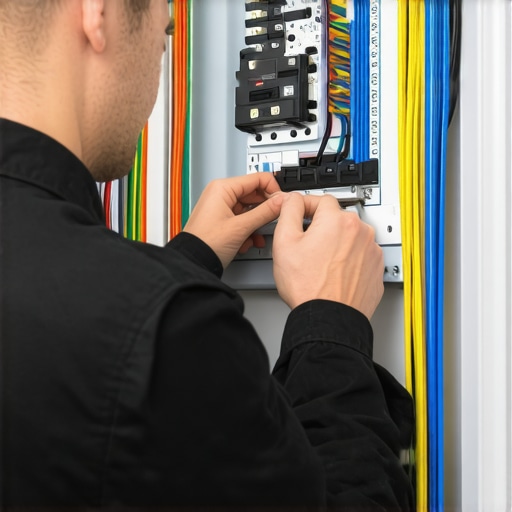
Maintaining your EV charger and ensuring its longevity requires the right tools and a disciplined approach. Over time, even well-installed systems can face issues due to dust, corrosion, or simple wear and tear. To keep your setup working smoothly, I rely on a few specific instruments and methods that I’ve found invaluable in my experience.
Use a High-Quality Multimeter for Accurate Diagnostics
My go-to tool is a digital multimeter with a high resolution. I use it not just to check voltage levels but also to verify continuity and proper grounding. I prefer a multimeter with auto-ranging capabilities because it reduces the chances of user error. When troubleshooting, I measure the voltage at the charger’s outlet, the breaker, and the panel to ensure consistent power delivery. This helps me catch issues like voltage drops or faulty wiring early, preventing more severe problems down the line.
Adopt Infrared Thermometers to Detect Heat Buildup
Overheating can be a silent sign of poor connections or overloading. An infrared thermometer allows me to scan connections, breaker terminals, and wiring junctions quickly. If I notice any component running significantly hotter than the others, I investigate further, which often reveals loose connections or overloaded circuits. Regular thermal checks can prevent dangerous failures and extend the lifespan of your system.
Implement Software Monitoring for Future-Proofing
For those with advanced setups, I recommend integrating smart monitoring tools. Devices like the smart EV charger monitors provide real-time data on power usage, trip history, and system health. These tools help me identify trends before they become critical issues, ensuring my system remains reliable as I expand my charging capabilities. As technology evolves, I predict that predictive analytics will become standard, alerting homeowners to potential failures before they happen.
How do I maintain my EV charging system over time?
Maintenance involves regular inspections, cleaning, and testing. I recommend cleaning dust and debris from the panel and connections with a dry brush or compressed air every six months. Checking the tightness of connections with your multimeter, especially after storms or heavy usage, ensures everything stays secure. If you notice any irregularities, addressing them promptly can prevent costly repairs and safety hazards.
In the future, I believe that remote diagnostics and AI-driven predictive maintenance will become the norm, making home EV charging even more reliable and hassle-free. Staying proactive with these tools and techniques will keep your system running optimally for years to come.
Ready to upgrade your troubleshooting toolkit? Try integrating a thermal camera or a smart monitoring system today and experience the difference firsthand. For detailed guidance on maintaining your system, visit this expert resource.
The Hidden Truths I Learned About EV Charger Safety
- One of my biggest surprises was realizing how overlooked panel capacity is—assuming existing wiring could handle a new charger often ends badly. It’s a lesson in respecting the electrical system’s limits and planning ahead.
- Failing to verify local code compliance can seem like a bureaucratic hassle, but it’s actually a safeguard that protects your home and loved ones. Skipping permits or inspections might save time now, but it risks much more down the line.
- My most eye-opening experience was discovering how improper grounding or loose connections can mimic charger failures. Thorough testing with a multimeter saved me from unnecessary replacements and potential hazards.
- Thinking I could DIY my way through panel upgrades? Not so fast. The complexity and safety risks demand professional help and proper planning—don’t cut corners.
- The future of EV charging safety will involve smarter diagnostics and remote monitoring, making maintenance easier and more reliable. Staying proactive with these tools is key to peace of mind.
Tools and Resources That Changed My Approach
- High-Quality Multimeter: Essential for accurate diagnostics, verifying voltage, continuity, and grounding. I trust Fluke for its reliability and precision.
- Infrared Thermometer: Detects heat buildup in wiring and connections, preventing overheating issues before they escalate.
- Smart Monitoring Devices: Keep an eye on power usage and system health remotely, helping me spot issues early. I recommend looking into models compatible with home automation systems.
- Expert Guides and Local Code Resources: Websites like this guide have been invaluable for understanding compliance and safety standards. Always verify with local authorities and professionals for your specific area.
Charge Ahead with Confidence and Care
Taking the time to upgrade your electrical panel and ensuring code compliance isn’t just about avoiding problems; it’s about creating a safe, reliable foundation for your EV future. The journey may seem daunting, but with the right tools and knowledge, you can power your home confidently and securely. Remember, safety and planning today mean peace of mind tomorrow. Are you ready to take the next step toward safer, smarter EV charging at home? Share your experiences or questions below—I’d love to hear your story!
Reading through this post really made me reflect on my own experience with upgrading my home’s electrical panel for EV charging. I initially thought a simple DIY approach was sufficient until I started noticing frequent breaker trips and some minor flickering when I plugged in my charger. It was a clear sign my system was pushed beyond its capacity. What I found most helpful was the emphasis on following local codes and verifying compatibility—those details can’t be overlooked if you want a safe and reliable setup. I also appreciated the tip about using a multimeter to check voltage and ensure proper grounding; I try to do routine inspections to catch issues early. Has anyone here used thermal imaging tools during their installation? I’ve been considering adding one to my toolbox as an extra safeguard. Would love to hear more about tools that others have found valuable for ongoing maintenance and safety, especially in preventing heat buildup in critical connections.
This post really resonates with my recent experience upgrading my electrical panel for better EV charging. I used to think as long as the charger worked, everything was fine, but I quickly learned that proper wiring, dedicated circuits, and code compliance are essential for safety and long-term reliability. I appreciate the mention of thermal imaging tools—I’ve started using an infrared thermometer during inspections, and it’s helped me catch hotspots before they become more serious issues. What I find challenging sometimes is navigating local codes and permits. Has anyone found effective ways to streamline that process or work with inspectors to ensure everything is compliant without headaches? Also, do you recommend any particular brands or features in multimeters or thermal cameras for DIY enthusiasts? Would be great to hear how others perform maintenance to keep system safety top-notch.