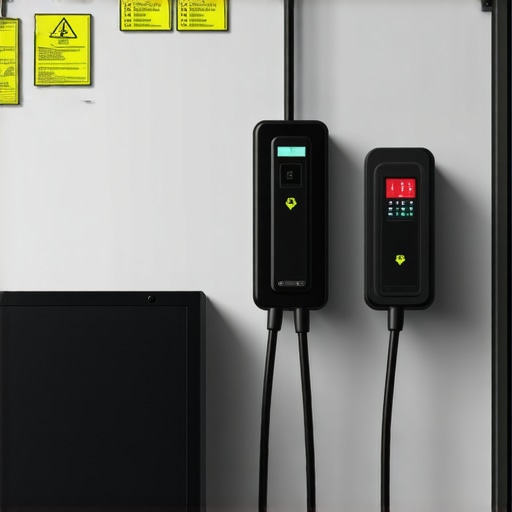

Code Compliance for EV Chargers: Home Upgrades & Safety Best Practices
Ever had that sinking feeling when your EV charger trips the breaker for the third time in a week? I remember my own lightbulb moment—watching sparks flicker as my old electrical panel struggled to keep up. It was a stark reminder that my home’s wiring wasn’t just outdated; it was a potential hazard. That’s when I realized how critical code compliance and proper panel upgrades are for safe, reliable EV charging at home.
Why Skimping on Code Compliance Can Cost You More Than You Think
When I first installed my EV charger, I thought I could just plug in and go. Turns out, that was a rookie mistake. Not adhering to electrical codes can lead to dangerous situations like electrical fires or equipment damage. The good news? It’s entirely avoidable with the right upgrades and inspections. Properly upgrading your electrical panel and ensuring your installation meets local codes isn’t just about legality; it’s about safety and peace of mind. If you’re curious about the ins and outs, check out this guide for a comprehensive overview.
Is Professional Help Really Necessary for Panel Upgrades?
Early on, I thought I could handle the upgrade myself. Spoiler alert: I made a costly mistake. I underestimated the complexity of ensuring code compliance, which could have led to serious issues down the line. Trust me, professional electricians are worth every penny—especially when it comes to expert panel upgrades. They know how to navigate local building codes and ensure your system is safe and reliable.
If you’ve faced similar frustrations or doubts, you’re not alone. The good news is, you don’t have to figure this out by yourself. Proper upgrades and compliance are vital for your home’s safety and your family’s peace of mind. Ready to get started? Stay tuned as we explore step-by-step how to upgrade your panel and meet all safety standards without the stress.
Assess Your Current Electrical System
Before diving into upgrades, I recommend turning off your main power and inspecting your electrical panel. When I did this in my home, I noticed that my panel was outdated with old circuit breakers that didn’t support the demands of modern EV chargers. Document any existing deficiencies, such as insufficient capacity or outdated wiring. This initial step is crucial to understand what needs replacement or reinforcement. For detailed troubleshooting, check out this troubleshooting guide.
Calculate Your Power Needs
Determine the power requirements of your EV charger, which typically ranges from 32A to 50A for home installations. Use this information to evaluate if your current panel can handle the additional load. When I upgraded my system, I used this resource to understand how much capacity I needed. Proper calculation prevents overloads and ensures compliance with local electrical codes.
Match Circuit Breakers to Your Charger
Install dedicated circuit breakers rated for your charger’s amperage. I learned the hard way that sharing circuits can lead to frequent trips and safety hazards. Use the manufacturer’s specifications and local code requirements. For example, a 40A charger requires a 40A breaker, not less. Consult this expert guide for precise breaker sizing.
Upgrade Your Electrical Panel
If your panel is insufficient, replacing or adding a subpanel might be necessary. When I opted for a full upgrade, I worked with a licensed electrician who followed all safety standards. During the upgrade, they ensured all wiring was rated for the load, grounding was proper, and breakers were correctly installed. It’s like giving your home a new, safer heart.
Ensure Proper Grounding and Bonding
Check that your system has proper grounding and bonding, which are critical safety features. I had a professional verify this during my upgrade, and it made a noticeable difference in system stability. For detailed verification steps, see this verification guide.
Obtain Necessary Permits and Inspections
Local regulations often require permits for electrical upgrades. I submitted my plans to the local building department, and an inspector approved the work after verifying compliance. This process ensures your system meets all safety standards and avoids future legal issues.
Schedule a Professional Inspection
Always have a licensed electrician perform or review the installation. During my inspection, they checked wiring integrity, breaker ratings, and grounding. An inspection confirms your upgrade is code-compliant and safe, giving you peace of mind. For additional safety tips, see this troubleshooting guide.
Test Your System Thoroughly
After completing the upgrade, test your EV charger with your vehicle. Check for proper operation, reliable charging, and absence of tripping breakers. When I tested mine, I initially faced connectivity issues, which I resolved by troubleshooting as outlined in this troubleshooting resource. Regular testing ensures ongoing safety and performance.
Document Your Upgrades
Keep detailed records of all work, permits, and inspections. This documentation will be invaluable for future maintenance or if you sell your home. My records helped streamline inspections and proved compliance during a recent home appraisal.
Many homeowners believe that installing an EV charger at home is a straightforward task, but there’s a lot more nuance involved than most realize. One of the most persistent myths is that a standard electrical upgrade suffices for safe and reliable charging. In reality, overlooking the intricacies of code compliance and proper panel upgrades can lead to costly mistakes and safety hazards. Let’s dig deeper into what most people get wrong about these essential upgrades and how to avoid common pitfalls.
Myth: All electrical panels are created equal
Many assume that any panel can support an EV charger with just a quick addition of a breaker. However, not all panels are designed to handle the increased load, especially older models. Upgrading your panel isn’t just about capacity; it’s about ensuring proper grounding, wiring, and breaker compatibility. For instance, a panel that’s not rated for high-duty cycles may overheat or trip frequently, risking damage or fire.
Overlooking the importance of professional assessment
Some homeowners try to handle upgrades themselves or rely on unlicensed electricians. The danger here is missing critical nuances like proper grounding and bonding, which are *not* optional for safety. A professional electrician will verify these details and ensure your system meets all local code requirements. For advanced setups, like installing a 50A circuit, expert assessment becomes even more crucial. This isn’t just about compliance; it’s about safeguarding your home and loved ones.
Why is improper grounding such a sneaky hazard?
Grounding issues are often overlooked but can cause severe safety risks, including electric shocks or fire. Studies show that improper grounding is a leading cause of electrical fires in residential settings. Ensuring proper grounding and bonding, verified during inspections, is critical for code compliance and safety. Don’t skip this step—trust an expert to double-check your system’s grounding details, as outlined in this comprehensive guide.
Common mistake: Underestimating future load requirements
Many assume their current system will handle future EV models and added chargers without upgrades. This can lead to overloads and frequent trips. Proper calculation of your home’s electrical capacity and planning for future needs is a step many skip. Use resources like this guide to ensure your system is future-proof.
In summary, the real key to a safe, reliable, and code-compliant home EV charging setup lies in understanding the nuances—beyond just installing a new breaker or panel. Proper assessment, professional upgrade, and thorough inspection are non-negotiable. Have you ever fallen into this trap? Let me know in the comments. Remember, the devil is in the details when it comes to electrical safety and code compliance. For expert assistance, don’t hesitate to reach out.
How do I keep my EV charging system functioning smoothly over time?
Maintaining your EV charger and electrical system is crucial to ensure long-term reliability and safety. From selecting the right tools to adopting proactive maintenance routines, I’ve found that being prepared and informed makes all the difference. One of my top recommendations is investing in a high-quality multimeter. I personally use the Fluke 117 because of its precision and durability. It allows me to regularly check voltage levels, verify grounding, and troubleshoot circuit issues without calling in a professional every time. Regularly testing your system with a multimeter helps catch potential problems early, preventing costly repairs or safety hazards.
Another essential tool is a thermal imaging camera. I use the FLIR One Pro attached to my smartphone, which helps me identify hotspots in wiring and breakers that might be overheating. Spotting these issues early can save you from electrical fires or equipment failure. Routine visual inspections are also vital—checking for frayed wires, corrosion, or loose connections. Keeping your electrical panel clean and free of dust ensures better cooling and reduces the risk of malfunction.
Beyond hardware, software tools can enhance your maintenance regime. For example, using a home energy management app like Sense allows you to monitor your electrical loads in real-time. I find this particularly useful for tracking unusual power draws that could indicate wiring issues or faulty breakers. Staying on top of these patterns helps me schedule repairs proactively and avoid unexpected outages.
Looking ahead, the trend is moving toward smart, integrated solutions. Future systems will likely include predictive diagnostics, alerting you before a minor issue becomes a major safety concern. Companies are developing AI-driven monitoring devices that analyze data from your electrical system and recommend maintenance actions. This evolution will make home electrical upkeep more intuitive and less time-consuming.
What are the best practices for maintaining your EV charger over the long run?
To keep your EV charging system performing at its best, schedule annual inspections with a licensed electrician. During these visits, they can verify that grounding, wiring, and breaker ratings remain compliant with current codes. Additionally, keeping detailed records of your maintenance and inspections can help you spot trends and prepare for future upgrades. Remember, a well-maintained system not only ensures safety but also prolongs the lifespan of your investment.
If you haven’t already, consider implementing a routine check using your multimeter and thermal camera. These simple steps can save you money and stress in the long run. For more detailed guidance on troubleshooting or upgrades, check out this troubleshooting resource. Don’t forget — regular maintenance isn’t just about fixing problems; it’s about preventing them before they happen. Give these tools and tips a try, and enjoy peace of mind knowing your EV system is in top shape.
The Hardest Lesson I Learned About Electrical Safety and EV Chargers
One of my biggest realizations was that rushing into an EV charger installation without proper electrical assessment can be dangerous. I once thought a simple breaker swap was enough, only to learn that inadequate grounding and outdated panels pose serious risks. It taught me that thorough evaluation and professional upgrades aren’t just best practices—they’re essentials for safety.
My Essential Toolkit for Ensuring Reliable EV Charging
I rely heavily on tools like the Fluke 117 Multimeter to regularly check voltage and grounding, which keeps my system safe and efficient. Additionally, a thermal imaging camera such as the FLIR One Pro helps me spot hotspots that indicate wiring issues. These tools have been invaluable in maintaining peace of mind and preventing problems before they escalate. For trusted guidance on system maintenance, I turn to expert resources like this troubleshooting guide.
Don’t Let Fears Hold You Back from Upgrading
Taking action to upgrade your electrical system with proper code compliance is a significant step towards safer, more reliable home EV charging. Remember, professional help ensures your system can handle current and future demands, giving you peace of mind. The future of EV charging is smart and safe—are you ready to be part of it?
What’s been your biggest challenge when upgrading your home’s electrical system for EV charging? Share your experience below!
Reading through this comprehensive guide really hit home for me. After installing my first EV charger, I experienced frequent breaker trips and wasn’t sure if I was doing something wrong or if the panel just couldn’t handle the load. Turns out, I overlooked the importance of professional assessment and proper grounding, which are critical for safety and consistent performance. Having upgraded my electrical panel with a licensed electrician, I noticed immediate improvements—less tripping, more stable power delivery, and peace of mind knowing everything is code-compliant.
One thing I learned is that future-proofing your system is just as important as the initial upgrade. As EV models continue to evolve and demand higher power, I wonder how many homeowners are truly prepared for those increased needs. Do those of you who have gone through upgrades have tips on assessing future capacity and making your system scalable? I’d love to hear your experiences and recommendations for planning ahead in these upgrades.