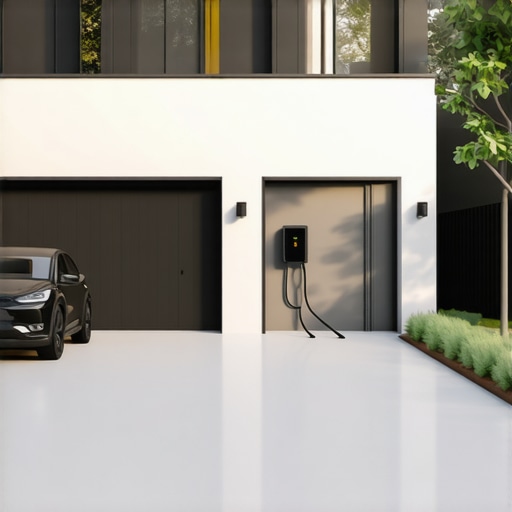

Panel Upgrades & Code Compliance: Ensure Safe EV Charging in Your Home
I remember the moment clearly. I was plugging in my new electric vehicle, excited about the eco-friendly ride ahead. But as I connected the charger, a flicker of doubt crept in. Was my home’s electrical panel ready for this new demand? That realization hit hard — I might be risking more than just a blown fuse if my system wasn’t up to code. It was a lightbulb moment that changed everything about how I approached EV charging safety.
Why Upgrading Your Panel & Ensuring Code Compliance Matters Now More Than Ever
With the rapid rise of electric vehicles, more homeowners are installing chargers at home. According to the U.S. Department of Energy, the number of EVs on the road is expected to reach 27 million by 2030. That’s a lot of new electrical load demanding safe, reliable solutions. But many overlook a critical step: making sure their electrical panel can handle the extra power without risking fire hazards or system failures.
If your existing electrical system is outdated or not compliant with current codes, you’re playing with fire—literally. An overloaded panel can cause overheating, electrical fires, or costly outages. That’s why professional panel upgrades and code compliance are essential for safe EV charging at home.
Early in my journey, I made the mistake of assuming my old panel could handle the new EV charger. I didn’t think it was a big deal — until I experienced frequent trips of my circuit breaker. That was a clear sign I needed an upgrade. Upgrading your panel not only improves safety but also enhances the performance and longevity of your charger, ensuring you get the most reliable power every time you plug in.
Is EV Charger Safety Overhyped? My Experience and What You Need to Know
I admit, I was skeptical at first. I wondered if all the fuss about code compliance was just insurance fluff. But after a close call with an overloaded circuit, I learned the hard way that ignoring proper upgrades can lead to serious consequences. A simple mistake—like not verifying if your home’s wiring meets current standards—can compromise safety and void warranties. For a comprehensive guide, see how to verify code compliance for your EV charger.
In this article, I’ll walk you through practical steps to ensure your electrical system is ready for safe, efficient EV charging. From understanding the importance of panel upgrades to navigating code requirements, I’ll share insights gained from personal experience and industry best practices.
Ready to dive into how you can protect your home and family while enjoying the benefits of electric vehicle ownership? Let’s start with the essentials of assessing your electrical panel’s capacity and making informed upgrades for a safer, more reliable charging experience.
Assess Your Electrical Panel’s Capacity
Start by inspecting your current electrical panel. Look for signs of an outdated system, such as rust, scorch marks, or a panel over 20 years old. Personally, I once found a panel that hadn’t been upgraded since the 1970s, which was a clear red flag. Turn off the main breaker and remove the panel cover carefully, then evaluate the size of the main breaker—ideally 100 amps or more for EV charging.
Calculate Your Home’s Total Load
Next, add up all your household’s electrical appliances and systems. Use a load calculator or consult an electrician to determine if your current panel can handle the additional load from an EV charger, typically 40 to 50 amps. In my case, I realized my panel was near capacity, risking overload. This step ensures you don’t just assume your system is ready, but verify it.
Consult a Licensed Electrician
Don’t attempt a panel upgrade yourself. I learned this the hard way when I tried to do my own wiring, which led to a brief power outage and a call to a professional. A licensed electrician will evaluate your panel, recommend the right size upgrade, and ensure everything meets local code requirements. They can also handle permits and inspections, saving you time and legal headaches.
Plan for a Panel Upgrade
Work with your electrician to select a panel that accommodates future expansion and high-demand devices like EV chargers. A common upgrade is installing a load center with a 200-amp service, providing ample headroom. During my upgrade, the electrician installed a new subpanel dedicated to my EV charger, which improved performance and safety.
Ensure Code Compliance and Safety
Before finalizing the upgrade, verify that all work complies with local electrical codes. This includes proper grounding, breaker sizing, and wiring methods. I used these guidelines to double-check my electrician’s work, giving me peace of mind. Proper code compliance prevents fire hazards and ensures your warranty remains valid.
Request a Certification
After installation, ask your electrician for a certificate of compliance. This document confirms that your new panel and wiring meet all safety standards. It’s a crucial step that provides legal protection and insurance coverage in case of future issues.
Update Your Home’s Electrical System for Optimal Performance
Finally, consider adding dedicated circuits for your EV charger and other high-demand appliances. I installed a separate circuit breaker for my charger, which prevented trips and improved charging speed. This approach not only enhances safety but also prolongs the lifespan of your electrical components.
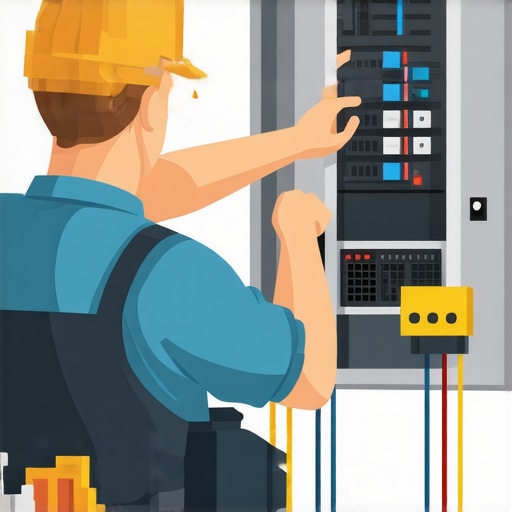
Many homeowners believe that simply installing a higher amperage panel or adding a dedicated circuit automatically guarantees safe and efficient EV charging. However, this is a misconception that can lead to costly mistakes. In reality, the nuance lies in understanding that the compatibility of your existing wiring, adherence to local code requirements, and proper load calculations are equally crucial. For example, upgrading to a 200-amp panel without verifying that your wiring can handle the increased load may still pose fire risks or lead to frequent breaker trips. The key is a comprehensive assessment by a licensed electrician, who can ensure that all components work harmoniously to support your EV charger safely and reliably. Don’t fall into the trap of oversimplification; always prioritize professional evaluation and compliance. For detailed guidance, see these expert panel upgrade tips.
What Advanced Factors Should Homeowners Consider for Long-Term EV Charging Safety?
Beyond basic upgrades, consider factors such as future expansion plans, the quality of grounding, and the installation of smart circuit breakers that monitor loads in real-time. These nuances can prevent overloads and extend the lifespan of your electrical system. According to a study by the National Fire Protection Association, improper wiring or outdated panels are responsible for nearly 60% of residential electrical fires. Thus, a proactive approach involving thorough inspections and adherence to the latest safety standards is essential for long-term peace of mind. Have you ever fallen into this trap? Let me know in the comments.
Maintaining a safe and reliable EV charging setup requires more than just initial upgrades and code compliance. Over time, electrical components can degrade, and new technologies emerge that can enhance your system’s performance. In this post, I’ll share the tools and methods I personally rely on to keep my home’s EV charging infrastructure in top shape, ensuring safety and efficiency for years to come.
Why Regular Maintenance Matters
Just like any other home system, your electrical setup benefits from periodic inspections and maintenance. This proactive approach can prevent costly failures, extend the lifespan of your equipment, and maintain safety standards. As I learned through experience, neglecting these steps can lead to unexpected outages or safety hazards.
The Tools I Recommend for Maintenance
Multimeter with True RMS: I use a Fluke 117 Multimeter because it provides accurate readings of voltage, current, and resistance. This helps me verify that my wiring and connections remain within safe parameters. Testing the voltage at my EV charger’s outlet ensures it’s not fluctuating beyond acceptable ranges, which could harm the charger or pose safety risks.
Insulation Resistance Tester (Megohmmeter): This tool is invaluable for checking the integrity of your wiring insulation. I regularly perform insulation resistance tests on critical circuits, especially those dedicated to EV charging, to detect potential degradation or damage early.
Smart Circuit Monitors: Devices like Sense or Emporia monitor real-time load and power consumption. I installed a smart circuit monitor on my dedicated EV circuit, which provides ongoing data and alerts if the load approaches unsafe levels. This technology is a game-changer for long-term safety and system optimization.
Infrared Thermometer: Using an IR thermometer, I regularly check connections and breakers for hotspots, which can indicate overheating or loose connections. Catching these issues early can prevent fire hazards and costly repairs.
Software and Documentation
Keeping detailed records of inspections, test results, and upgrades helps me track the health of my system. I use a simple spreadsheet, but there are dedicated home electrical management apps that can integrate with smart monitors to provide comprehensive views.
How Do I Maintain My EV Charging System Over Time?
Routine checks—at least biannually—are essential. Verify connections, test system voltages, and review load data from your monitoring devices. Don’t forget to update any firmware on smart monitors or circuit breakers, as manufacturers often release improvements that enhance safety and functionality.
Lastly, always consult a licensed electrician for any complex diagnostics or repairs. They can also perform detailed inspections aligned with the latest safety standards, such as those outlined in code compliance guidelines.
Try implementing a smart monitor or conducting an insulation resistance test this month. These advanced tips can significantly extend the safe life of your EV charging system and give you peace of mind for years to come.
The Hardest Lesson I Learned About EV Charger Safety
One of my biggest mistakes was assuming my outdated electrical panel could handle a high-capacity EV charger. That oversight nearly led to a dangerous overload. The lightbulb moment? Always verify your panel’s capacity before installing or upgrading your EV charging station. This lesson underscored the importance of professional code compliance and thorough load assessments.
3 Myths About Electrical Panel Upgrades That Held Me Back
Many homeowners believe that simply installing a larger panel guarantees safety. I found out the hard way that compatibility with wiring, proper grounding, and adherence to local codes are equally crucial. Upgrading without these considerations can still pose fire risks or lead to system failures. Always consult a licensed electrician to ensure your upgrade meets all standards and future-proof your home.
What Experts Won’t Tell You About Long-Term EV Charging Safety
Beyond initial upgrades, maintaining your electrical system is vital. Regular inspections, load monitoring with smart devices, and timely repairs extend the lifespan of your setup. I personally use tools like load monitors and infrared thermometers to keep my system in check. Staying proactive prevents costly emergencies and keeps my family safe.
My Essential Toolkit for Maintaining Home EV Charging Safety
- Multimeter with True RMS: Accurate voltage and current readings ensure wiring remains within safe parameters. I rely on a Fluke 117 for its precision.
- Insulation Resistance Tester: Regular tests on critical circuits help detect insulation degradation early, preventing potential hazards.
- Smart Circuit Monitors: Devices like Sense give real-time load data, alerting me if my system approaches unsafe levels.
- Infrared Thermometer: I check connections and breakers periodically for hotspots that indicate overheating risks.
Your Turn to Take Action
Investing in proper panel upgrades and maintaining code compliance isn’t just about safety—it’s about peace of mind. Regular checks and professional assessments will ensure your EV charging experience remains safe and reliable for years to come. Remember, safety starts with knowledge and proactive maintenance.
This post hits home for me, especially after noticing that my old electrical panel was showing signs of wear—rust and flickering breakers were my clues. Upgrading my panel was a game-changer, not just for safety but also for more reliable EV charging. I found that ensuring components like grounding and breaker sizes match the new load is crucial, otherwise, you could still face risks despite a new panel. The guidance on involving a licensed electrician and verifying code compliance really resonated.
One thing I’ve learned through this process is the importance of future-proofing—choosing a panel that can handle anticipated load increases down the line. Have others here added smart circuit monitors or other tech to maintain safety? I’d love to hear about tools or techniques you’ve found effective over time, especially as technology continues to evolve.
Reading through this post really made me think about the importance of a thorough electrical assessment before installing an EV charger. When I had my panel upgraded last year, the electrician emphasized not just capacity, but also the quality of wiring and grounding to ensure long-term safety. I agree with the point about future-proofing; investing in a panel that can handle additional loads now saves headaches later as EV technology advances.
One challenge I faced was figuring out whether my existing wiring could support a 50-amp charger. After an inspection, the electrician recommended some upgrades to wiring and circuit breakers, which I hadn’t considered initially. Has anyone here used smart load monitors or other tech to track their system’s performance? I’ve been thinking about installing a smart circuit breaker that can alert me to overloads in real-time. Would love to hear others’ experiences or suggestions on the best tech tools for ongoing safety monitoring.
This post really struck a chord with me, especially since I recently went through a similar process upgrading my electrical panel before adding a home EV charger. It’s surprising how many older panels just aren’t prepared for the added load, and the risks involved can be quite serious if not properly addressed. I learned that not only does the panel need to be upgraded, but grounding and wiring quality are just as important for long-term safety and performance. From my experience, working with a licensed electrician was crucial—they evaluated everything thoroughly and handled all permits, which gave me peace of mind. One thing I’ve been curious about is the use of smart load monitors to keep tabs on system load over time. Have others here integrated these into their systems? Do you find they help in preventing overloads before they happen? I think technology has a lot to offer homeowners in terms of safety monitoring, especially as EV adoption continues to grow rapidly.