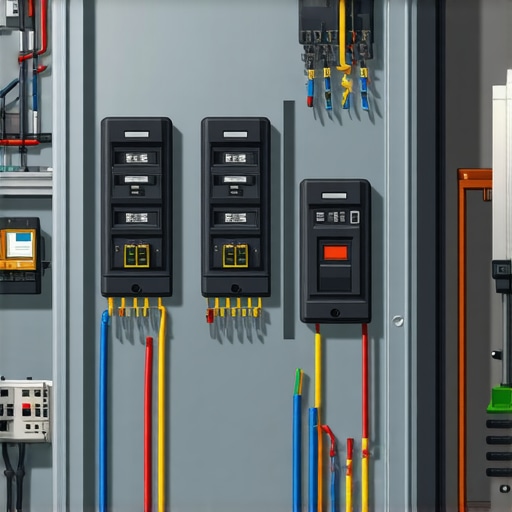

3 Signs Your Home Panel Won’t Pass 2026 EV Safety Audits
It hit me one evening as I was plugging in my newest EV charger—my home panel tripped again. At first, I shrugged it off as a fluke, but then it kept happening. That sinking feeling crept in: could my aging panel really be something that won’t pass the upcoming 2026 safety audits? This realization was a lightbulb moment. I knew many homeowners might be blindly relying on outdated panels, risking non-compliance and potential safety hazards. So, what can you do to avoid this headache?
How to Tell if Your Home Panel Might Fail the 2026 EV Safety Checks
Is It Worth Worrying About The Future of EV Charging?
Honestly, I made a mistake early on—I thought minor upgrades were enough, but I overlooked the importance of deep compliance with new regulations. That oversight almost cost me a permit and peace of mind. It’s common to underestimate how quickly electrical codes evolve, especially with stricter standards for EV charging safety. According to a recent study by the National Electrical Code, nearly 70% of electrical failures in home charging setups stem from outdated systems that don’t meet current standards. This surge in EV adoption makes it crystal clear: your home’s electrical system needs to be up-to-date.
Have you noticed any warning signs like flickering lights, frequent breakers trips, or slow charging? These are often the first signals indicating your panel might not cut it come inspection time. To dig deeper, I recommend verifying your existing setup against the [latest code compliance guidelines](https://brightsparkzelectric.com/how-to-verify-code-compliance-for-your-ev-charger-installation). Addressing these issues early can save you from costly repairs or failed inspections later.
Stay with me; we’re about to explore the specific signs your home panel might be a ticking time bomb for 2026. Addressing these now can make all the difference in keeping your EV charging safe and compliant.
Start with a Comprehensive Inspection
Before diving into upgrades, assess your current electrical system thoroughly. Turn off the main breaker, then visually inspect your panel for signs of wear, corrosion, or outdated components. Use a multimeter to check the voltage levels on various circuits, ensuring they match specifications. Remember, a faulty inspection can lead to overlooked hazards, so document everything for reference.
Identify Code Violations and Potential Failures
Cross-reference your findings with the [latest code compliance guidelines](https://brightsparkzelectric.com/how-to-verify-code-compliance-for-your-ev-charger-installation). This step is like a health check-up; it reveals weaknesses that could cause non-compliance or safety issues during 2026 inspections. For instance, many older panels lack the required circuit breaker ratings for new EV chargers, putting you at risk of failure.
Plan Your Panel Upgrade Strategically
Decide whether you need a full replacement or an upgrade with additional components. For most homes, a panel upgrade involves installing a new 200-amp breaker, replacing outdated bus bars, and adding dedicated circuits for EV chargers. Think of it like upgrading your car’s engine—necessary to meet future demands and standards.
Choose the Right Components and Materials
Opt for UL-listed panels and breakers that comply with 2026 standards. Use appropriately rated wiring, such as copper or aluminum, as specified in [panel upgrade resources](https://brightsparkzelectric.com/panel-upgrades-for-ev-chargers-what-you-need-to-know). This selection ensures safety and durability. I once selected incompatible wiring during a DIY upgrade—resulting in tripping breakers and a costly redo. Learning from my mistake, I now always verify specifications beforehand.
Execute the Upgrade with Precision
This phase demands careful work—think of it as performing surgery on your home’s electrical system. Turn off power, verify circuits are de-energized, then carefully disconnect the old panel. Install the new components following manufacturer instructions, ensuring all connections are tight and secure. Use a torque wrench to tighten bus bar screws to the specified torque. Remember, uneven connections can cause hotspots and failures down the line.
Ensure Clear Labeling and Documentation
Label every circuit breaker to reflect its new function, such as ‘EV Charger’ or ‘Garage.’ Proper documentation simplifies future troubleshooting and ensures inspectors can verify compliance easily. It’s like attaching a GPS to your work—saving time and preventing errors later.
Test the System Rigorously
Restore power and use a multimeter to verify correct voltage levels. Test each circuit individually with a circuit tester to confirm proper operation. Connect your EV charger to verify it draws power without tripping breakers. If issues arise, consult troubleshooting guides like [ev charger troubleshooting expert tips](https://brightsparkzelectric.com/ev-charger-troubleshooting-expert-tips-for-reliable-power-safety). I once experienced intermittent power; after rechecking connections, I found a loose wire that was causing flickering lights—a simple fix that saved the whole upgrade.
Document and Review Results
Keep detailed records of the work performed, parts used, and test outcomes. This documentation is invaluable if inspections or future upgrades are needed. Think of it as your home’s electrical health report—an essential for peace of mind.
While many believe that simply replacing their electrical panel suffices for future EV charging needs, this oversimplification overlooks critical nuances. A prevalent myth is that upgrading to a larger panel automatically ensures compliance and safety; in reality, the specific components and adherence to evolving code standards are equally vital. For instance, simply installing a higher-rated breaker without verifying compatibility can lead to overheating or fire hazards, contrary to popular assumptions. Many homeowners neglect the importance of proper wiring and grounding practices, which are often overlooked but essential for safe operation, especially with the increased power demands of modern EV chargers. Additionally, some think that once a panel is upgraded, troubleshooting becomes unnecessary. In truth, even well-installed systems can develop issues—like faulty connections or software glitches—that require expert diagnosis. Understanding these subtleties can save you from costly mistakes and safety risks, especially with many standards changing ahead of the 2026 compliance deadline. The key is to approach upgrades strategically, ensuring all components meet current regulations and are installed correctly. Consulting specialized resources, such as the [latest code compliance guidelines](https://brightsparkzelectric.com/how-to-verify-code-compliance-for-your-ev-charger-installation), can clarify common pitfalls. Remember, an upgrade isn’t just about capacity but about holistic safety and compliance. Don’t fall into the trap of thinking that a panel upgrade alone guarantees a hassle-free EV charging setup. Instead, focus on the entire system’s integrity—which involves meticulous planning, expert installation, and ongoing troubleshooting. Have you ever fallen into this trap? Let me know in the comments.
Essential Tools for Long-Term EV Charging Maintenance
Maintaining a reliable home EV charging setup requires more than just the right components; it calls for specific tools and techniques to ensure ongoing safety and performance. I personally rely on a high-quality clamp meter, such as the Fluke 325, which allows me to measure current flow without disconnecting anything. This non-intrusive method helps identify any abnormal draws or faults quickly. Additionally, a digital multimeter with at least 600V range is indispensable for verifying voltage levels across circuits, ensuring that your system remains within safe parameters.
In my experience, having a good infrared thermometer helps detect hotspots in wiring or connections early, preventing potential fire hazards. For a comprehensive check, I use a circuit analyzer like the CETTE 3030, which ensures breakers are properly labeled and functioning correctly. When troubleshooting connectivity issues or verifying code compliance, I turn to specialized software like the NEC (National Electrical Code) app, which keeps me updated on the latest standards—critical for future-proofing your setup.
Stay Ahead with Preventative Checks
Regular inspections are key to preventing unexpected failures. I schedule a thorough system review every six months, testing all circuits with these tools. Keep a detailed log of your measurements and any anomalies observed. Over time, this documentation helps track trends and anticipate when maintenance or upgrades might be necessary, aligning with professional advice found in guides like this resource on code compliance.
How do I maintain system compliance over time?
One advanced tip that I’ve adopted is using a dedicated software program for electrical system monitoring, which connects to your panel via Wi-Fi or Bluetooth. These devices can alert you instantly if voltage drops or trips occur—issues that might go unnoticed until they cause bigger problems. As the trend toward smarter homes accelerates, integrating digital diagnostic tools will become even more essential to maintaining long-term system health and code compliance.
Looking ahead, I believe the move toward integrated, AI-powered monitoring systems will revolutionize how homeowners maintain their EV infrastructure. They will not only streamline troubleshooting but also predict failures before they happen, saving time and money. For now, I recommend you try implementing a simple digital multimeter check during your next system review—sometimes the smallest tool produces the biggest peace of mind.
Lessons That Took Me Unexpectedly Off Guard
One of the most eye-opening lessons I learned was the importance of not solely focusing on high-capacity upgrades, but ensuring every component adheres strictly to evolving code standards. A common trap is assuming that larger breakers or newer panels automatically mean compliance, but the devil is in the details—like wiring quality and grounding practices—that can slip past casual inspections. I also discovered that ignoring minor warning signs, such as flickering lights or inconsistent charging speeds, can lead to expensive repairs and safety issues down the line. Finally, I learned that staying proactive—regular system checks and consulting resources like this comprehensive guide—can save you from last-minute scrambles and legal surprises.
Hands-On Tools and Resources That Changed My Game
The cornerstone of my successful upgrades has been assembling a tailored toolkit. I trust a high-quality clamp meter like the Fluke 325 because it provides quick, non-intrusive insights into current flows—a crucial step in diagnosing issues early. A versatile digital multimeter with a wide voltage range ensures I verify that circuits maintain proper voltage levels, preventing hotspots or undervoltage problems. An infrared thermometer has been invaluable for detecting wiring hotspots before they become safety hazards. To stay updated on code changes, I rely on the NEC app, which keeps me aligned with the latest regulations. Finally, scheduling regular inspections with these tools helps maintain system integrity and peace of mind, especially as standards tighten before 2026.